

Middle East
Lebanon
-
 Food security
-
 Health
-
 Nutrition
-
 Protection
-
 Water, sanitation & hygiene
1996
mission start date
182
national staff
12
expatriate staff
286 506
people supported
Context
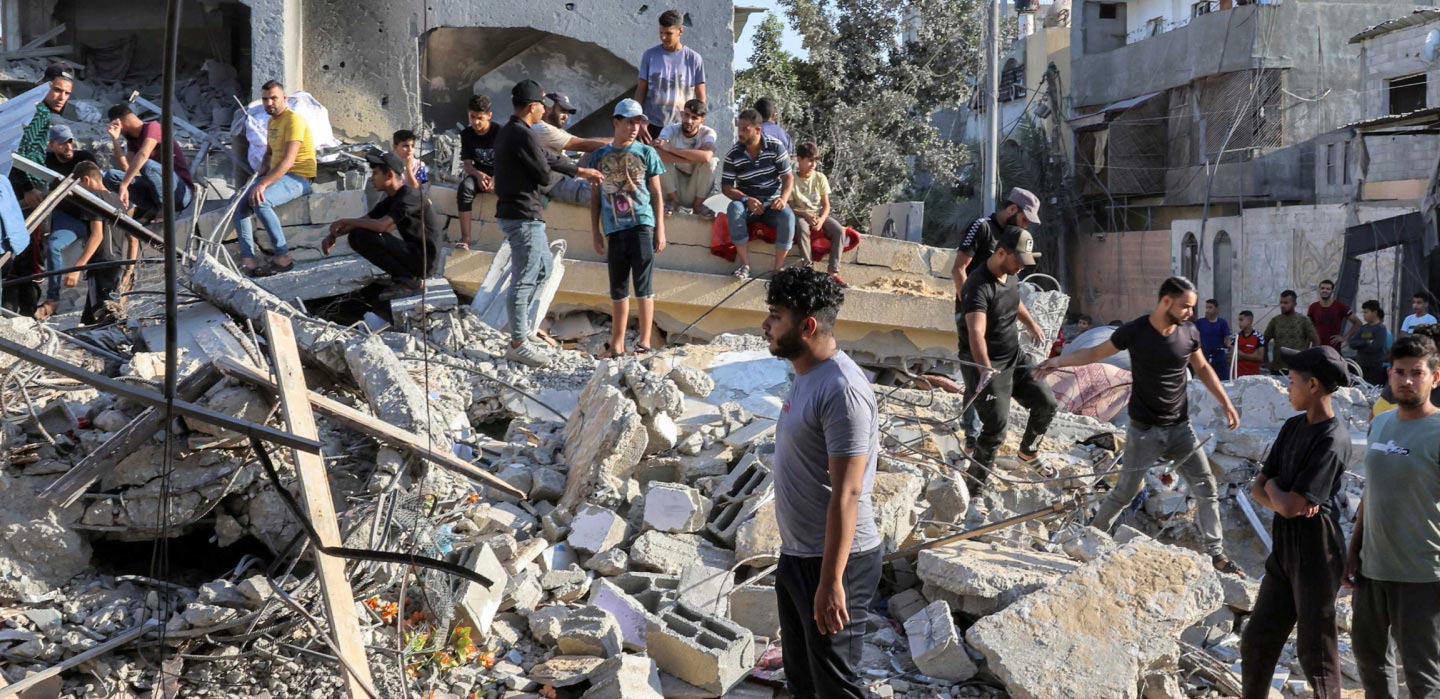
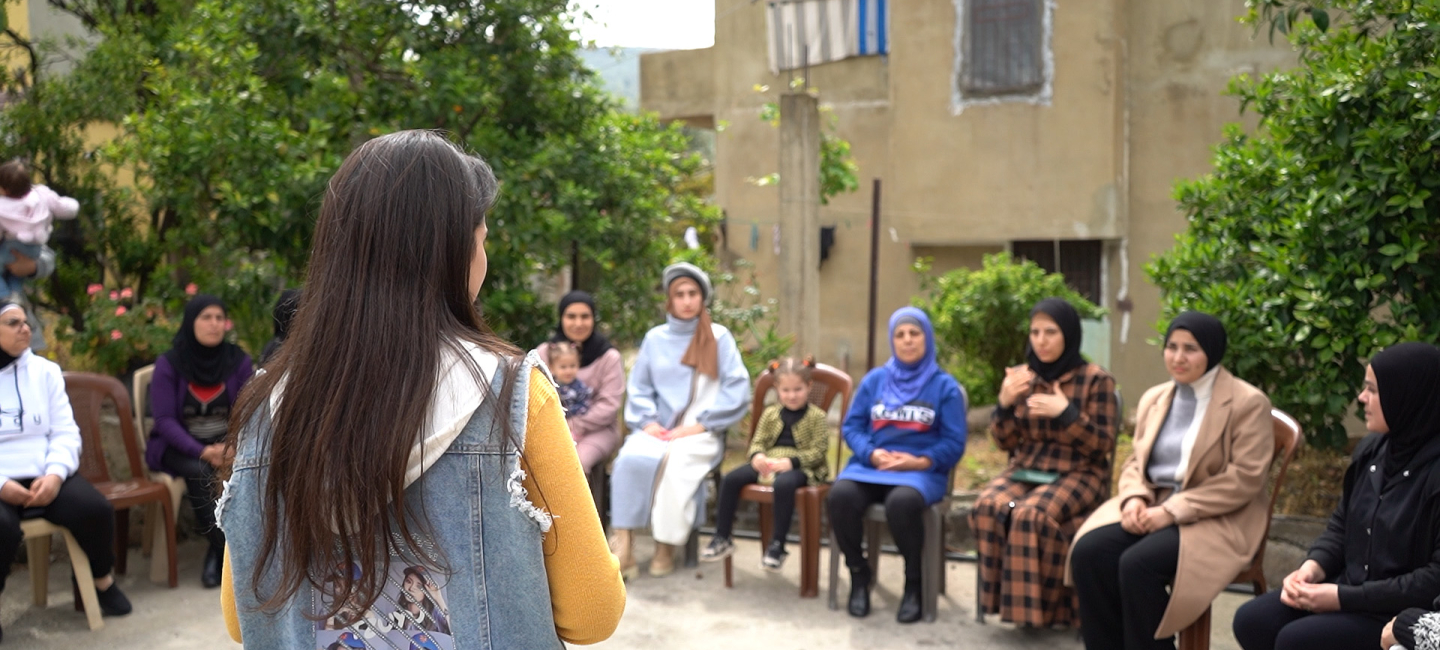
Lebanon is characterized by a high level of political, economic and social instability. The explosion in the port of Beirut exacerbated this instability in August 2020, marking a further blow to the Lebanese population’s trust in the authorities. Recent years have seen the collapse of the Lebanese currency and, more generally, of its economy. The complexity of the Lebanese crisis makes any humanitarian intervention all the more crucial and complex. The escalation of the conflict in South Lebanon in September 2024, followed by continued strikes even after the ceasefire agreement in November, left extensive destruction across the South, Nabatiyeh, the Beqaa, and Beirut’s Southern Suburbs, leading to large-scale destruction and widespread displacement. Lebanon hosts the highest number of refugees per capita in the world, with a ratio of 1.4 million Syrian refugees to 1.7 million Lebanese in need of humanitarian aid. According to the United Nations, the context has had an increasing impact on the health sector, negatively affecting access to primary healthcare for the most vulnerable.
Our approach
Description of the mission
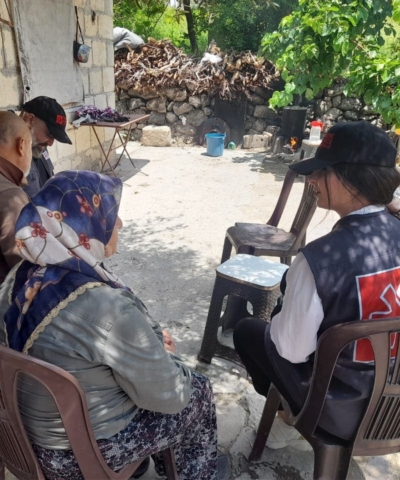
Première Urgence Internationale provides support to vulnerable populations in Lebanon, including Syrian and Palestinian refugees, internally displaced people and the host population. This approach identifies and understands the needs of crisis-affected people, considering all dimensions of the problem to propose effective solutions with lasting impact.
Moreover, our teams aim to reduce tensions between communities and to provide assistance to vulnerable local populations affected by the massive influx of refugees.
Since the start of hostilities on the border with Israel as soon as October 2023, Première Urgence Internationale has been providing much needed assistance to people affected by the conflict and internally displaced people following the bombing of villages.
Première Urgence Internationale
in action
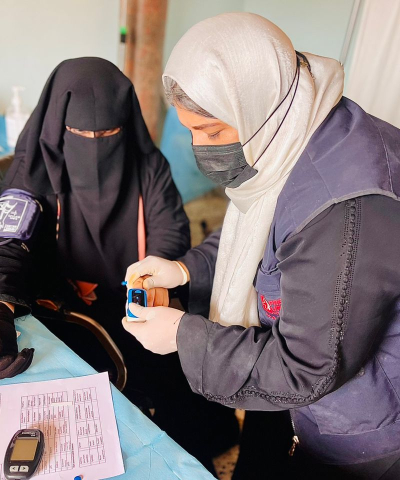
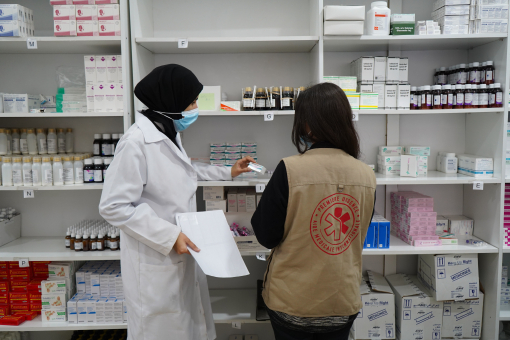
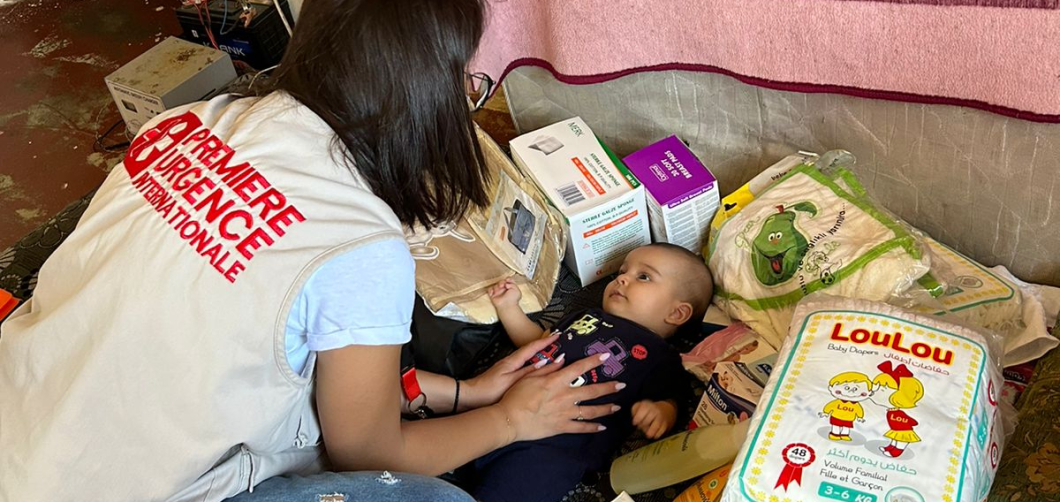
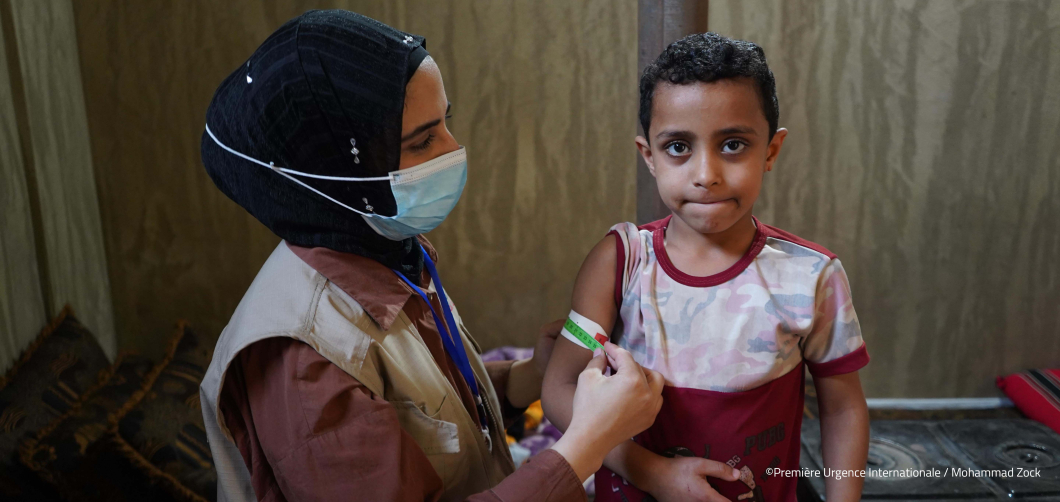
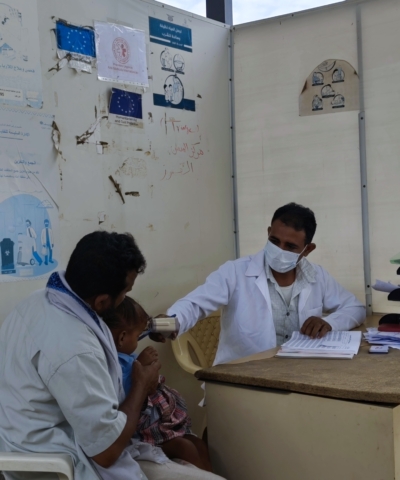
Present in the country since 1996, our mission aims at tackling the country’s chronic underdevelopment. Strengthening the healthcare system is therefore the first priority. Activities include: delivering subsidized services at primary healthcare center and hospital levels, supplying medical equipment, training staff, rehabilitating health centers, particularly in terms of access to water, increasing the number of primary and mental health consultations, strengthening the health information system. Particular attention is paid to children and pregnant or lactating women.
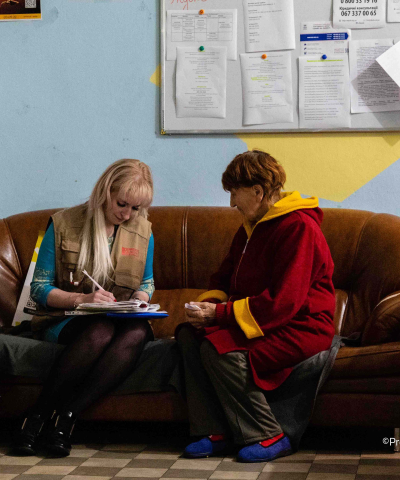
The second part of PUI’s action focuses on the rehabilitation of housing or shelters, rent assistance and the protection of vulnerable populations through the provision of case management and cash assistance.
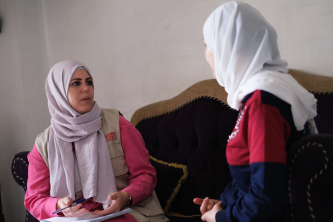
A social worker in charge of protection advises a beneficiary in Saïda, South Lebanon ©Première Urgence Internationale / Mohammad Zock
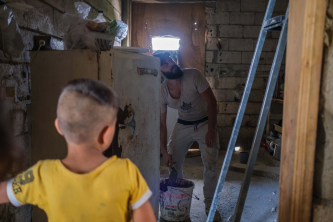
Shelter rehabilitation activities in Akkar, North Lebanon ©Première Urgence Internationale / Mohammad Zock
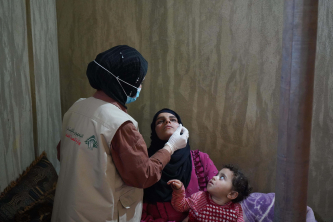
A staff member performs a COVID-19 test during a home visit in Akkar ©Première Urgence Internationale / Mohammad Zock
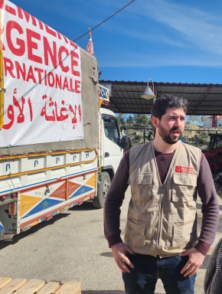
Kevin Charbel
Country Director for the Lebanon Mission © Première Urgence Internationale
“Despite the challenging humanitarian and security context, our teams are positioned at the forefront of relief operations, supporting the most vulnerable populations in Lebanon.”
Latest News
Our donors
Protection Civile et Operations d’Aide Humanitaire Européennes
NDICI (Neighbourhood, Development and International Cooperation Instrument)
LHF (Lebanon Humanitarian Fund)
Fondation pour le Logement des Défavorisés
AFD (Agence Française de Développement)
Swedish International Development Agency (SIDA)
CITI Foundation
Protection Civile et Operations d’Aide Humanitaire Européennes
NDICI (Neighbourhood, Development and International Cooperation Instrument)
LHF (Lebanon Humanitarian Fund)
Fondation pour le Logement des Défavorisés
AFD (Agence Française de Développement)
Swedish International Development Agency (SIDA)
CITI Foundation