

News
Taslwasa: Supporting Safe Motherhood in Remote Afghanistan
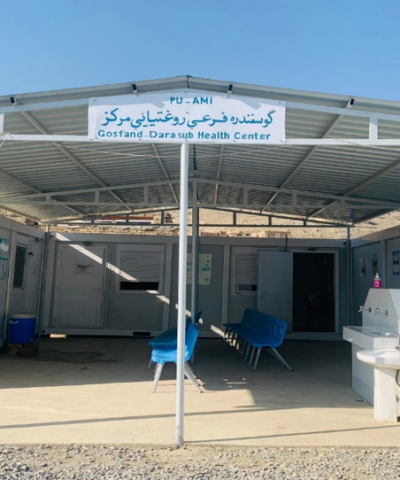
In remote parts of Nangarhar, access to basic health services has long been a challenge. Many families live far from health facilities, and for years, some communities did not trust or accept services such as vaccination, antenatal care, or safe deliveries.
Publié le 20/08/2026 | Temps de lecture : 4 min
Poverty, a lack of female health workers and limited awareness made it even harder for women and children to receive the care they needed.
Across the district, only a few health facilities are able to provide basic services. For a long time, many women gave birth at home without skilled support, increasing the risk of serious complications for mothers and newborns. When emergencies occurred, referrals to hospitals or specialised doctors were difficult, delayed or sometimes impossible.
Supporting women in remote communities
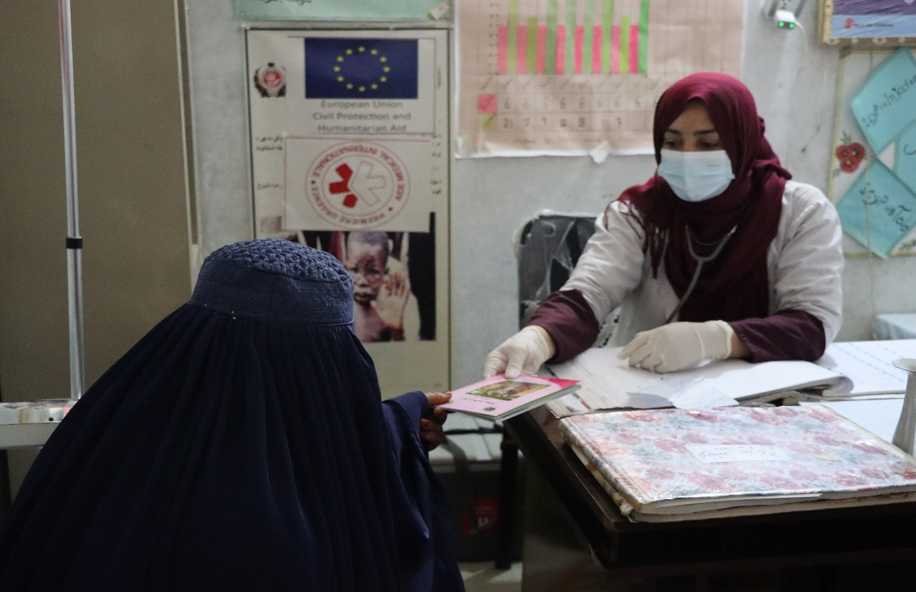
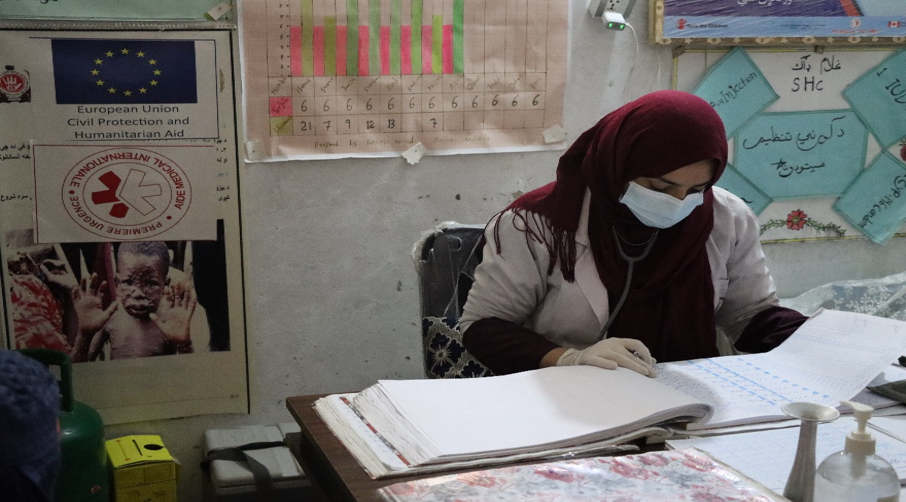
Taslwasa Murad is a midwife working at Ghulam Dag Health Sub-Center. She comes from the city but chose to work in this remote area to support vulnerable women and families.
Every day, she provides antenatal and postnatal care, assists with deliveries and supports women who would otherwise have limited access to skilled healthcare services.
“When I first started working here, it was very difficult,” Taslwasa explains. “People did not trust health services. Vaccination was not accepted, and women were afraid to come to the clinic for delivery or check-ups.”
Before the ECHO-supported action, health services in the area were very limited. There were not enough female health workers or vaccinators. Antenatal and postnatal care, as well as deliveries, were often managed by one midwife at the health sub-center.
Night services were not available, while ambulance and referral services were limited. Poverty also prevented many families from seeking care.
Building trust in essential healthcare
Over time, change began to happen. With the support of community elders and shuras, trust in health services gradually improved.
Health education and awareness sessions helped families understand the importance of vaccination, maternal healthcare and safe deliveries. Nomadic families who had previously avoided health facilities started bringing women and children to receive care.
“Now, people accept health services,” Taslwasa says. “They understand why it is important, especially for mothers and newborns.”
One of the most significant changes has been in people’s behaviour. Women who once delivered at home now come to the health facility, while families who previously refused services are encouraging others to seek care.
As awareness has increased, so has demand. Communities are now requesting access to specialised doctors and health facilities that can operate 24 hours a day to respond to emergencies at any time.
Access to healthcare remains fragile in Nangarhar
Despite these positive changes, the situation remains fragile. Due to the ongoing crisis, the government is not able to fully meet the basic needs of people living in remote districts.
Many health services continue to depend on humanitarian support, while gaps remain in staffing, coverage and service availability.
For health workers like Taslwasa, this reality is clear every day.
“Supporting people and seeing their behavior change gives me strength,” she shares. “Helping mothers understand safe delivery and seeing healthy babies born gives me a good feeling and hope.”
Maintaining essential healthcare with ECHO support
Support from the European Union through its Civil Protection and Humanitarian Aid Operations (ECHO) is critical to maintaining essential health services in remote communities like Ghulam Dag.
It enables healthcare to continue in areas where alternatives remain extremely limited. Beyond medical care, this support helps strengthen trust, dignity and access to essential healthcare for women, children and families.
For Taslwasa and the communities she serves, this is what humanity truly means: being present during a crisis, supporting one another and helping ensure that even in the most remote areas, women and children can access the healthcare they need.
Our financial donors
ECHO
ECHO