

News
"Do Not Suffer in Silence”: Hirut’s Story of Survival and Strength
For years, Hirut*, a 33-year-old mother of two living in East Gojjam Zone of the Amhara Region in Ethiopia, lived with a serious health condition while facing displacement, economic hardship and the responsibility of raising her children alone.
Publié le 18/09/2026 | Temps de lecture : 2 min
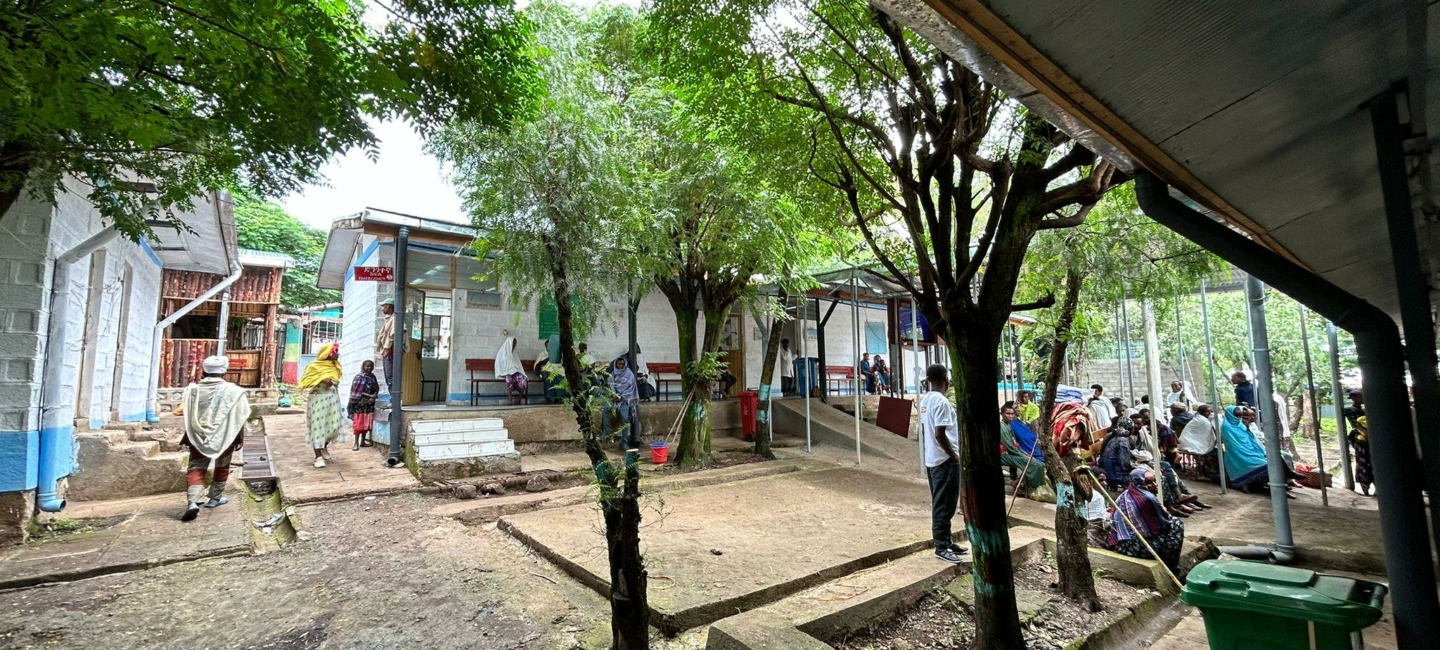
After giving birth to both of her children at home, for four years Hirut experienced persistent health conditions related to childbirth. Following her displacement from the Benishangul-Gumuz Region and subsequent divorce, accessing medical care became increasingly difficult due to financial constraints and the absence of family support.
When Première Urgence Internationale started implementing health activities in the Konter health Center and its cluster of health posts in Ethiopia, Hirut sought assistance at the health center. Following medical consultation and counseling, Première Urgence Internationale supported her enrollment in the Community Based Health Insurance (CBHI) scheme to improve her access to healthcare services.
Accessing healthcare after years of suffering
Before her Community Based Health insurance registration was finalized, Hirut’s health condition deteriorated further and was referred to Shegaw Motta General Hospital for emergency treatment. Throughout her hospitalization, the NGO coordinated with the hospital to ensure her care was covered and provided regular follow-up support.
Today, her condition has stabilized, allowing her to resume small income-generating activities and better support her children’s wellbeing and education.
Supporting access to essential health services
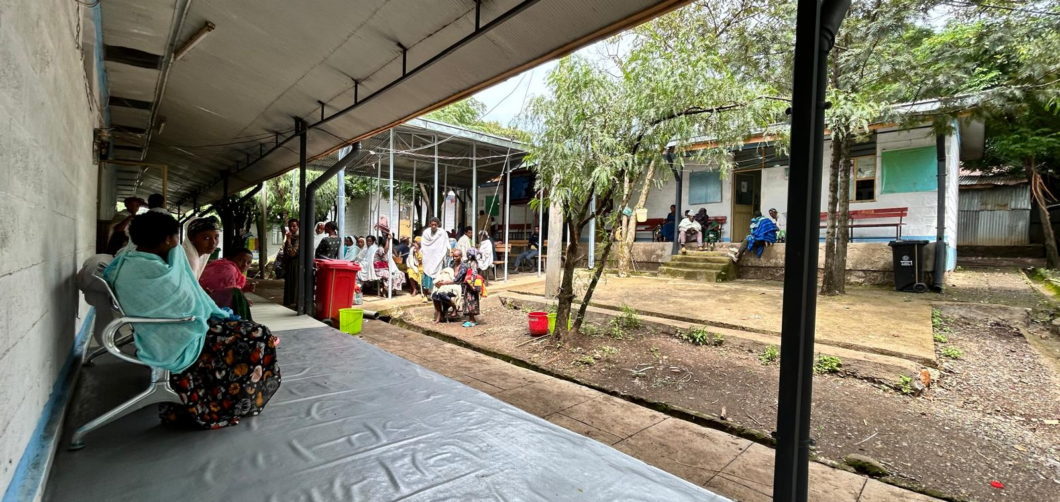
Première Urgence Internationale is supporting Konter health center and the surrounding community, by rehabilitating the health facility, providing drugs, medical supplies and equipment, community-based health insurance (CBHI) and nutrition activities, early identification and management of malnutrition, infant and young child feeding counseling, psychosocial support, training and supervision of health staff.
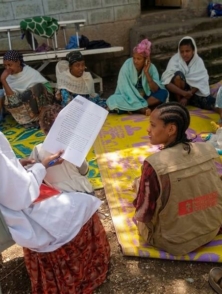
“Before meeting the staff, I felt completely alone with no-one to ask for support. Now, I feel there is someone by my side.”
Having regained her strength, Hirut now encourages other women in her community to seek healthcare early and not ignore symptoms that may require medical attention.
Her message is clear:
“Do not suffer in silence.”
The East Gojjam Zones of the Amhara Region are at the epicentre of Ethiopia’s humanitarian crisis, with ongoing insecurity driving displacement and widespread service disruptions. More than 60% of health facilities in affected areas are non operational, placing severe pressure on the limited services that remain. Building on the humanitarian access secured by Première Urgence Internationale and Solidarités international through acceptance among communities and local stakeholders, Despite these challenges, the NGO is delivering life saving and life sustaining assistance in partnership with Solidarités International. Through generous support from Centre de Crise et de Soutien (CDCS), the consortium is implementing a needs based intervention.
*Her name has been changed to protect her.
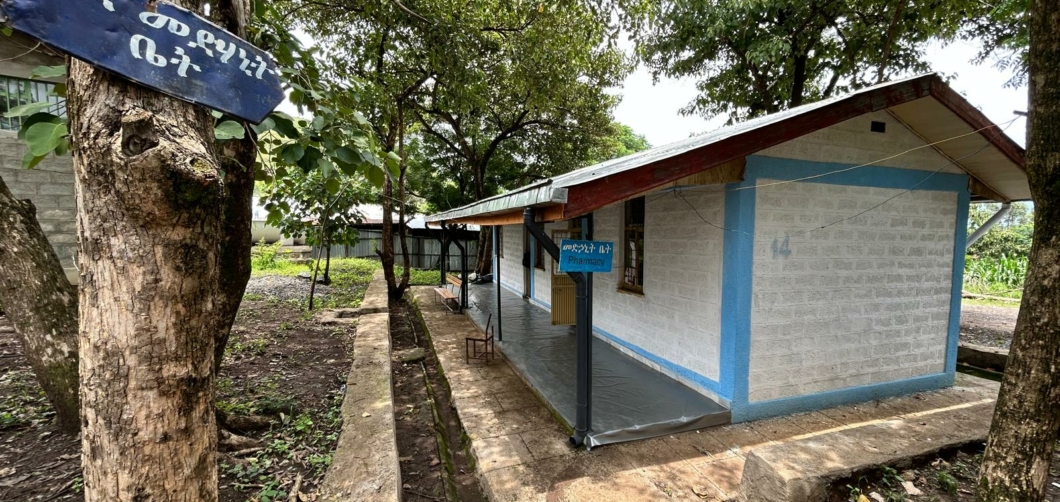
Première Urgence Internationale rehabilitated and upgraded Kontur Health Center in East Gojjam Amhara region in 2026.
Our financial donors