

News
World Mental Health Day: in humanitarian crises, treating invisible wounds too
Conflict, forced displacement, the loss of a loved one, insecurity, isolation… Humanitarian crises disrupt people’s living conditions, but they also have a profound impact on their mental health. On World Mental Health Day, 10 October, it is important to highlight the need to integrate mental health and psychosocial support into humanitarian response.
Publié le 02/10/2026 | Temps de lecture : 5 min
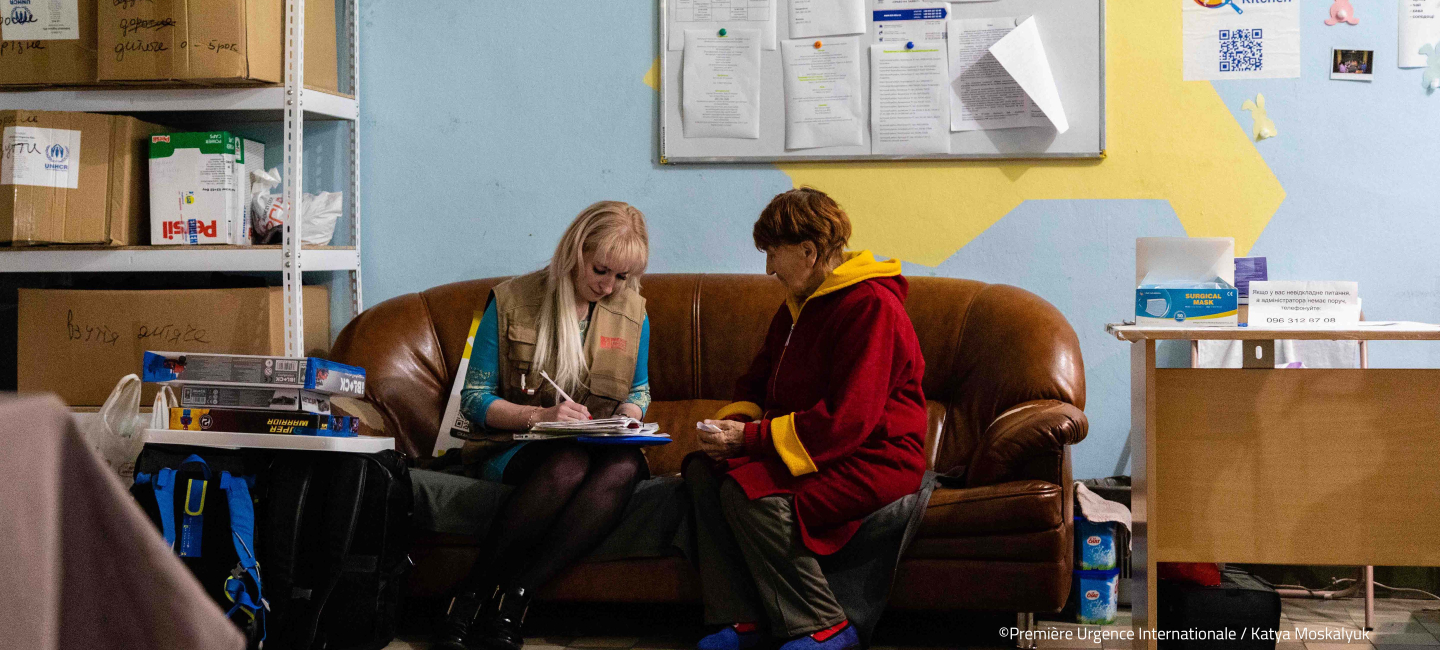
When a crisis strikes, the most visible needs immediately come to the fore: finding shelter, accessing water and food, and receiving healthcare. But the consequences of war, displacement or violence are not only physical.
Anxiety, sadness, sleep disorders, grief, acute stress and feelings of isolation can have a lasting impact on people facing an emergency. According to the World Health Organization (WHO), almost everyone affected by an emergency experiences some form of psychological distress. Among people who have experienced war or conflict in the past ten years, 22% may experience mental health conditions, such as depression, anxiety disorders or post-traumatic stress disorder.
Crises also affect mental health
Losing one’s home or a loved one, being separated from family, having to leave one’s country, or living with uncertainty for years: in crisis settings, the factors that can affect mental health multiply.
Emergencies can also weaken social ties and livelihoods, while healthcare systems themselves come under increasing pressure. Access to appropriate mental health and psychosocial support services therefore becomes more difficult at precisely the time when needs are growing.
This is why Première Urgence Internationale integrates mental health and psychosocial support into primary healthcare. Our interventions range from community awareness-raising and support with stress management to specialised mental healthcare, based on an approach that views mental health as a continuum between well-being and mental health conditions.
In the field, this support takes different forms depending on people’s needs: psychological consultations, individual or group psychosocial support, psychoeducation, referrals to appropriate services and community-based activities.
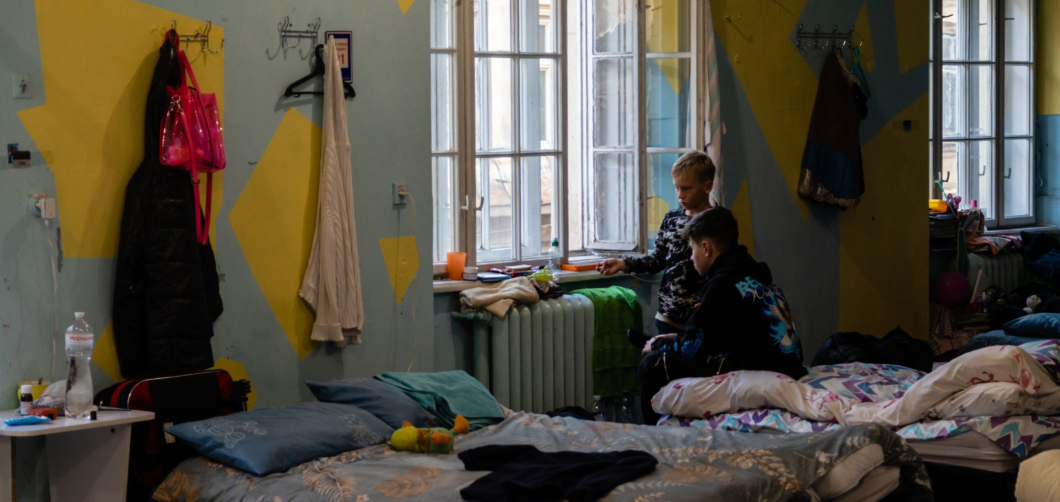
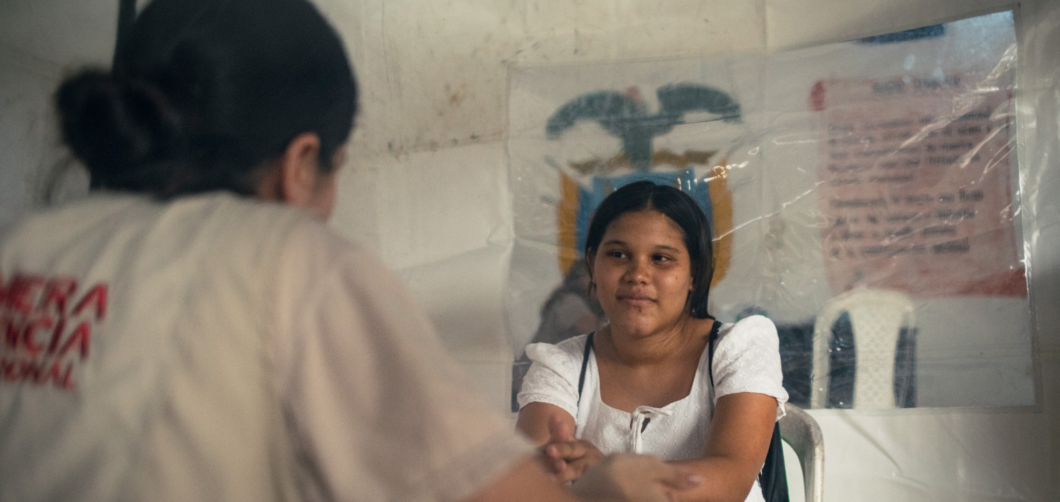
In Colombia, creating a space to talk and be heard
In the department of Arauca, on the border with Venezuela, the consequences of armed conflict are compounded by the challenges faced by migrant populations and local communities. Movement restrictions, administrative barriers and overstretched public services can sometimes make it impossible to access a doctor or psychologist.
Première Urgence Internationale operates fixed health facilities and mobile clinics in the area. In addition to primary healthcare, our teams provide mental health and psychosocial support services. In 2025, 15,380 people benefited from Première Urgence Internationale’s interventions in Colombia, across all sectors of activity.
Behind these figures are individual stories.
For some of the people our teams meet, simply having the opportunity to talk is already an important step. This is the case for Elizabeth, who is originally from Venezuela. After leaving her country and her children because of the economic situation, she settled in Colombia. Being separated from her family and the challenges of her migration journey weigh heavily on her daily life. During her sessions with a Première Urgence Internationale psychologist, she is able to put into words what she is going through.
“It helped me because she gives me advice and listens to me. […] When you are alone, with no family here, you have no one to talk to, and you cry.”
These spaces allow people to talk about their migration journeys, but also about the losses, violence and displacement they have experienced. It is a less visible aspect of humanitarian assistance than a medical consultation or an aid distribution, but one that responds to a very real need.
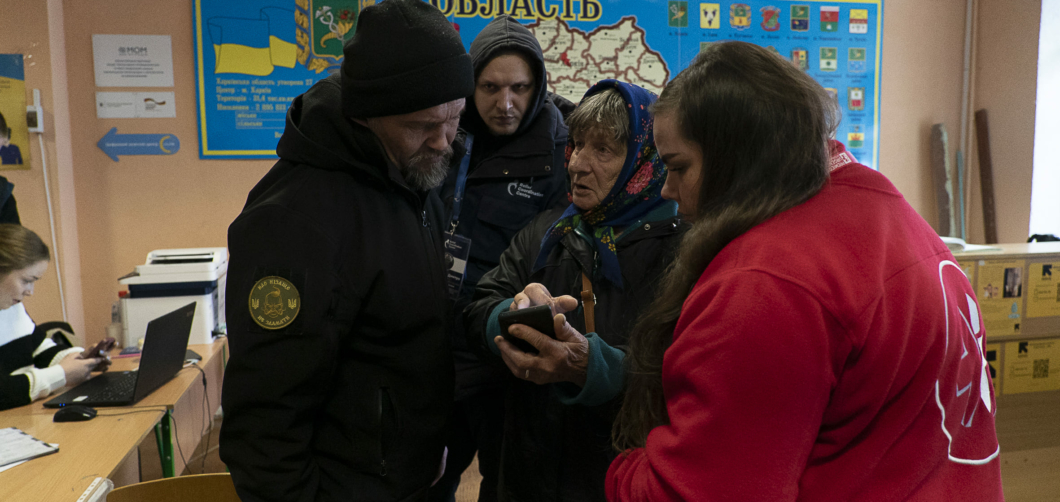
In Ukraine, addressing the psychological impact of war
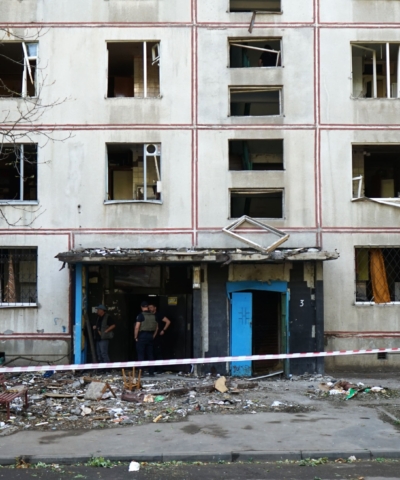
In Ukraine, more than ten years of conflict and several years of full-scale war have profoundly disrupted daily life. Repeated displacement, the destruction of infrastructure, family separation and proximity to fighting have had a lasting impact on communities.
In 2025, mental health and psychosocial support needs remained particularly high, while support services were still insufficiently available in some areas. Première Urgence Internationale worked with displaced people and communities living near the front line, particularly through mobile units providing healthcare, mental health and psychosocial support services, as well as assistance and referrals to other services.
In these contexts, caring for mental health does not simply mean treating a diagnosed condition. It also means providing people who have experienced particularly distressing events with a space where they can be heard and supported, helping them cope with the challenges of everyday life and, where necessary, referring them to appropriate care.
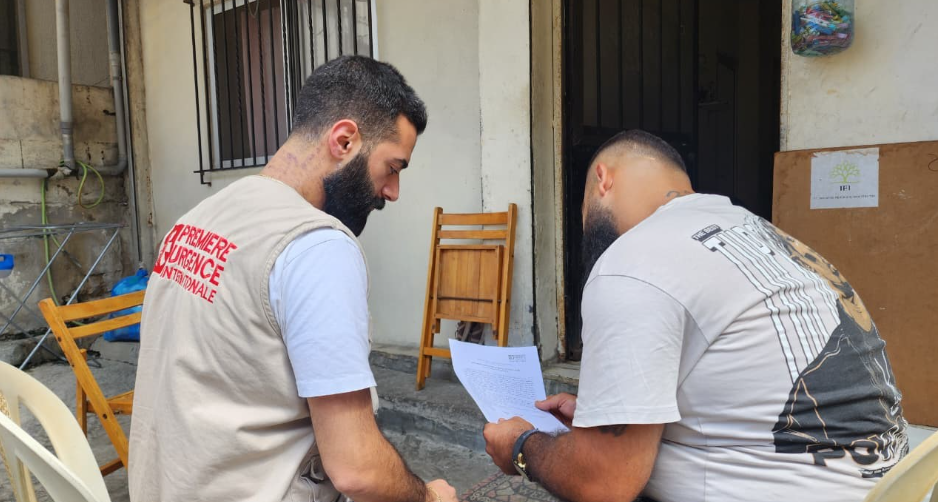
In Lebanon, strengthening coping resources and a sense of safety
In Lebanon, successive crises have also left their mark: economic collapse, the Beirut port explosion, displacement and escalating conflict have increased the vulnerabilities of a population already facing a healthcare system under pressure.
Against this backdrop, mental health and psychosocial support services remain largely difficult to access. Première Urgence Internationale and its partners are developing a multisectoral response that combines healthcare, protection, mental health and psychosocial support in Lebanon, among other areas of intervention.
This approach is essential in protracted crises. Psychological needs do not disappear when the immediate emergency subsides or when media attention fades.
Making mental health an integral part of humanitarian response
There is no single approach to addressing mental health in emergencies. The WHO recommends a combination of measures ranging from strengthening community support and providing psychological first aid to psychological interventions, clinical care and referrals to specialised services.
Première Urgence Internationale’s interventions follow this same approach. Integrating mental health into the other components of humanitarian response makes it possible to consider people as a whole, rather than focusing solely on their physical needs.
On World Mental Health Day, making these needs visible is also a reminder that behind every crisis are people whose experiences extend far beyond the wounds we can see.