

News
Syria: Returning Home, Rebuilding Hope in Rabee’a
Years of displacement. A house in ruins. No clean water, no income, no way forward. This is what hundreds of families found when they returned to the Rabee'a sub-district in Lattakia Governorate following Syria's political transition in December 2024.
Publié le 28/07/2026 | Temps de lecture : 7 min
After 13 years of conflict, the fall of the regime on December 8 marked the beginning of a new era, bringing hope for many displaced Syrians. But for those returning home, the reality was starkly different: instead of the homecoming they had imagined, they were confronted with devastation and a new struggle for survival. With the support of the Syrian Humanitarian Fund (SHF), PUI is working to change that.
Returning Home After Years of Displacement
Nestled in the forested mountains of northern Latakia, near the border with Türkiye, Rabee’a Sub-District was once known for its fertile agricultural lands and vibrant rural communities. More than a decade of conflict, compounded by the 2023 earthquake and recurrent wildfires, has left deep and lasting damage.
When displaced families began returning after years away, many found their homes structurally unsafe, local services barely functioning, and almost no means to earn a living.
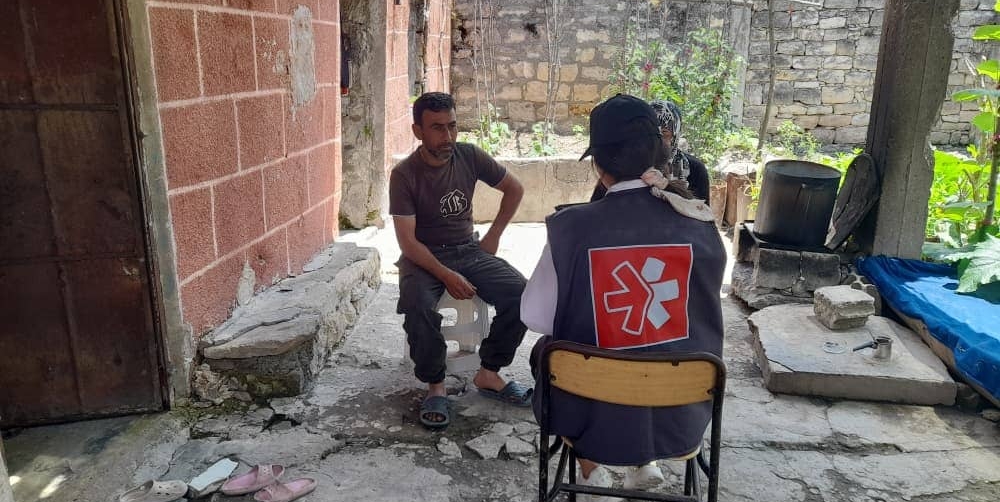
Today, residents continue to face significant challenges, including inadequate infrastructure, food insecurity, and a lack of sustainable livelihood opportunities. These challenges affect both returnees and host communities, slowing recovery and undermining resilience.
To respond to these urgent needs in the area, Première Urgence Internationale (PUI), with the support from the Syrian Humanitarian Fund (SHF), is implementing a six-month multisectoral emergency intervention in Rabee’a, combining cash assistance with sustainable solutions to improve access to safe drinking water.
“It Feels Like We Never Left the Camp”
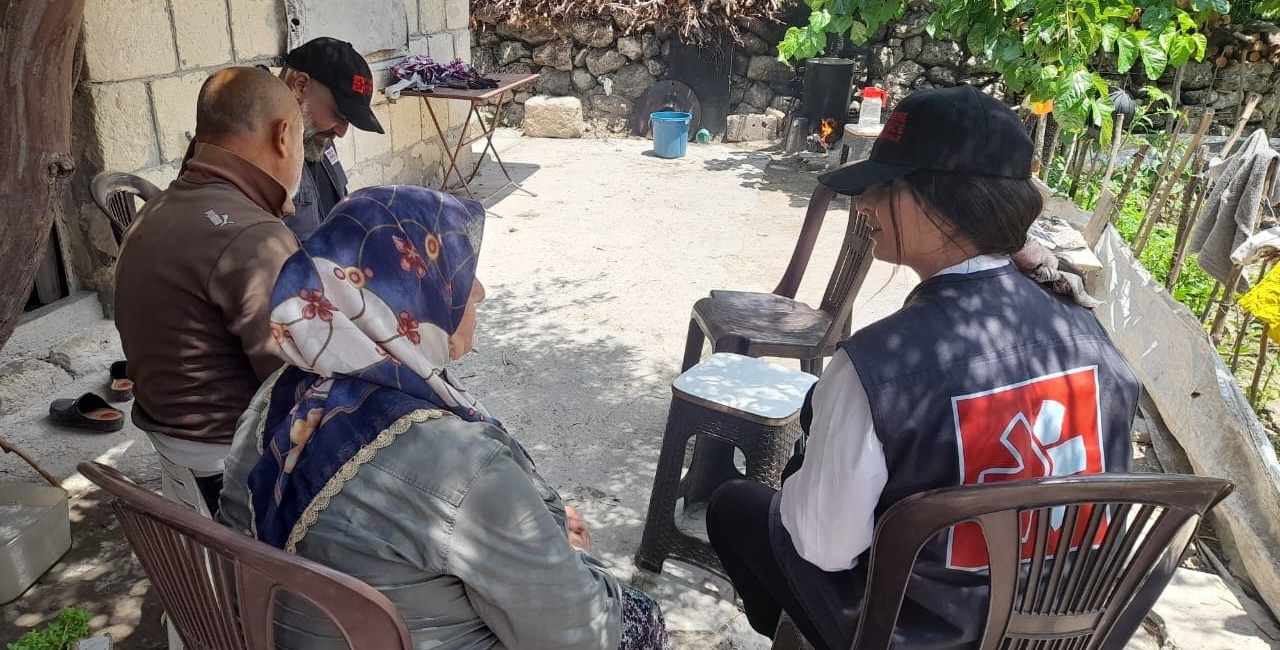
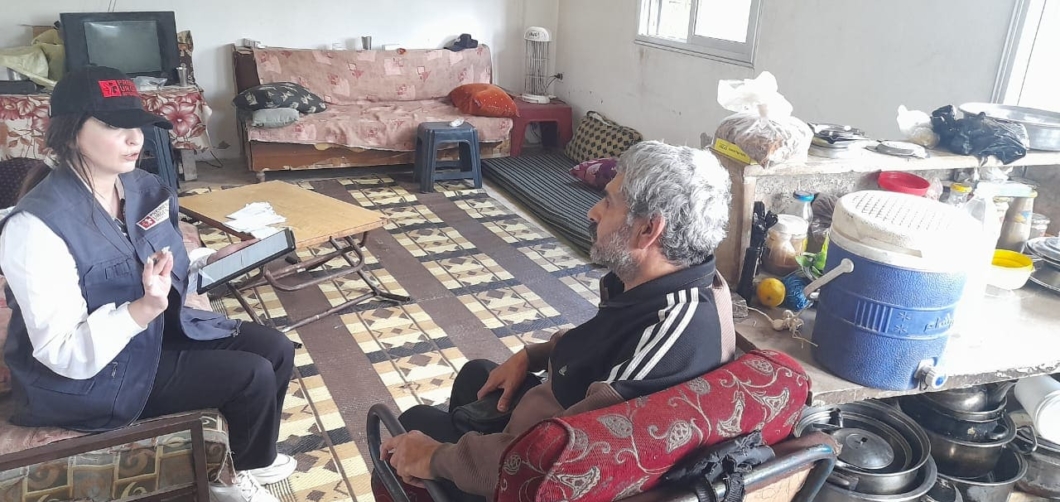
Among those who returned are Kamal, 85, and his wife Amal, 58, who lives with a chronic illness. After spending 14 years displaced in Türkiye, they finally returned to their village in Rabee’a, hoping to rebuild the life they had left behind.
Instead, they found a house severely damaged by years of conflict and neglect.
“We returned to our house, but it is no longer the house we knew,” Amal explains. “The walls are cracked, the roof leaks, and there is no clean water or sanitation. It feels like we never left the camp at all!”
Despite his age, Kamal walks to nearby forests every day to collect wild herbs to sell; whatever it takes to cover a fraction of the family’s needs. Amal, meanwhile, is managing a condition that requires refrigerated medication in a home with no electricity.
“I keep it in the water well, hoping it will remain cool and usable. The doctors say it is dangerous, but what else can I do?”
Kamal and Amal’s story is not exceptional in Rabee’a. It is the norm.
Cash Assistance That Gives Families Choice
To help families like Kamal and Amal meet their most urgent needs, PUI, with the support of the SHF is providing Emergency Multi-Purpose Cash Assistance (MPCA) to 200 of the most vulnerable households in Rabee’a.
Between July and September 2026, each household receives three monthly transfers of USD 150 in local currency, giving families the flexibility to address what matters most to them: food, healthcare, essential household items, or emergency shelter repairs.
Cash assistance is not simply financial support. For families who have spent years with no agency over their own lives, it is a restoration of choice and dignity. It allows people to define their own recovery, and to begin it.
Restoring Safe Water Through Solar Energy
Access to safe drinking water remains one of the most pressing challenges facing communities in Rihanet Mseibine village (Rabee’a sub district).
The area’s main borehole, once the community’s primary source for drinking water, had been rendered completely non-functional by years of conflict. Equipment was looted, infrastructure was destroyed, and the electricity network that once powered the facility no longer exists.
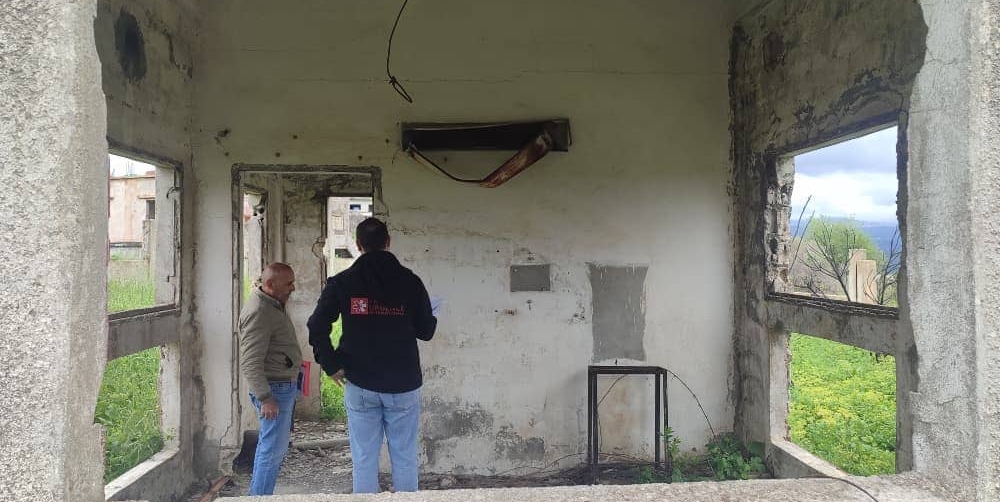
As a result, families have been forced to rely on water trucking and private wells, exposing them to higher costs and increased public health risks.
PUI is now rehabilitating the borehole and installing a solar-powered water system that will restore sustainable access to safe drinking water for returnees and resident households.
Works include the installation of a photovoltaic (PV) solar power system, the provision of a new submersible pump and electro-mechanical equipment, the rehabilitation of the pumping station building and perimeter fencing; the installation of solar-powered security lighting; and the provision of a backup generator to ensure service continuity during emergencies.
Once completed, the rehabilitated facility will supply safe drinking water year-round, free of dependence on costly and unreliable alternatives.
To further strengthen emergency preparedness, a dedicated water filling point will also be established at the site. This will enable the provision of potable water to five surrounding communities during emergencies or disruptions to local water systems.
Investing in Recovery and Resilience
Funded by the Syrian Humanitarian Fund, PUI’s intervention in Rabee’a connects immediate humanitarian assistance to sustainable solutions that support longer-term recovery.
Cash assistance helps the most vulnerable families survive today. Restored water infrastructure helps entire communities plan for tomorrow.
For Kamal and Amal, coming home was the first step. But returning to a crumbling house with no water and no income is not recovery — it is simply a different kind of displacement. Through this intervention, PUI and SHF are helping families in Rabee’a take meaningful steps toward something that has been out of reach for more than a decade: a dignified, secure, and self-determined future.
Our Financial Support
Syria Humanitarian Fund (SHF) United Nations Office for the Coordination of Humanitarian Affairs (OCHA)
Syria Humanitarian Fund (SHF) United Nations Office for the Coordination of Humanitarian Affairs (OCHA)