

Latin America
Honduras
-
 Health
-
 Mental health & psychosocial support
2024
mission start date
12
national staff
3
expatriate staff
14 400
people supported
Context
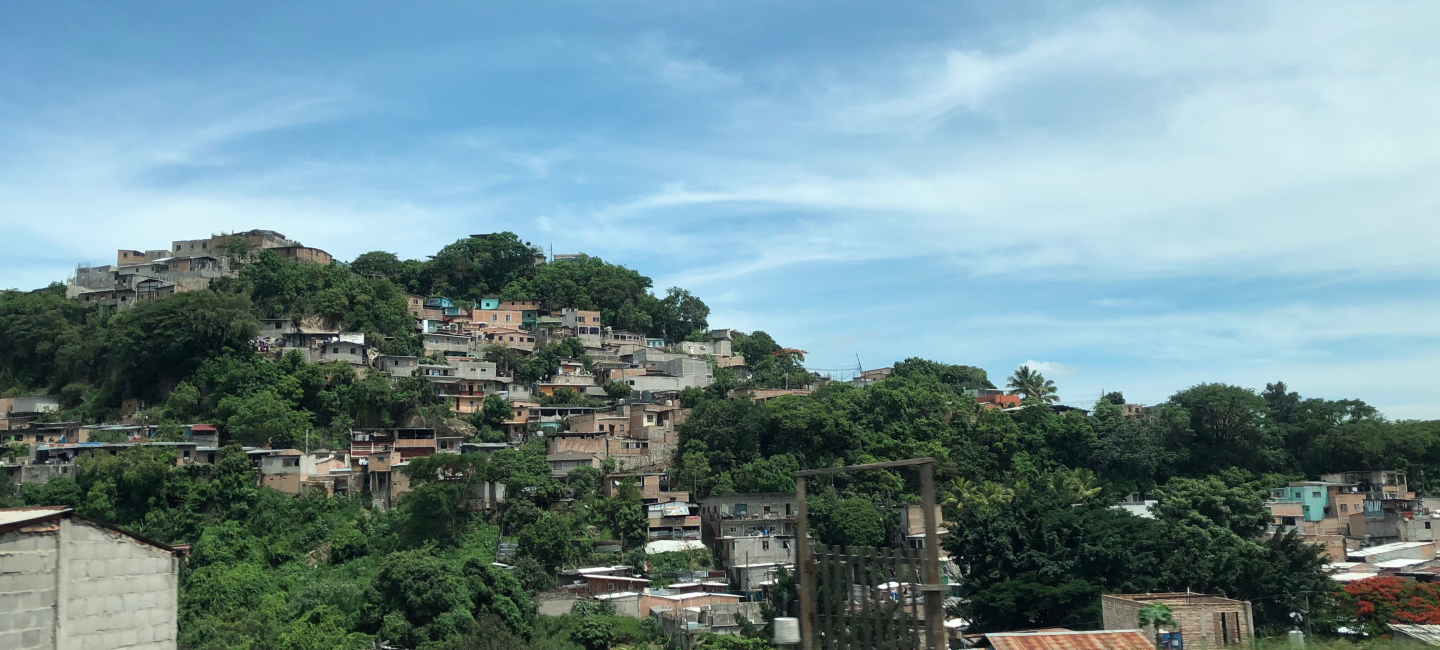
Honduras is facing a multidimensional crisis linked to its geographical position at the crossroads of migration routes in Central America, and its vulnerability to climate change, which exposes it to numerous episodes of drought and hurricanes. The needs of the population have tripled since 2020, and by 2024 the situation will affect 2.8 million people.
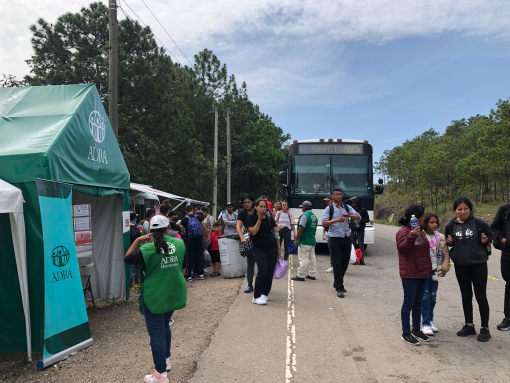
The department of Ocotepeque, on the border with El Salvador and Guatemala, is a crossing point on the migratory route that stretches from the Darién region, between Colombia and Panama, to the border between the United States and Mexico. Since 2023, around 5,000 people have been crossing the border between Honduras and Guatemala every day. More and more women and children are fleeing situations of violence and insecurity, and are exposed to numerous threats along the way. These growing flows of people also have a major impact on local communities and public services in transit countries.
Our approach
Description of the mission
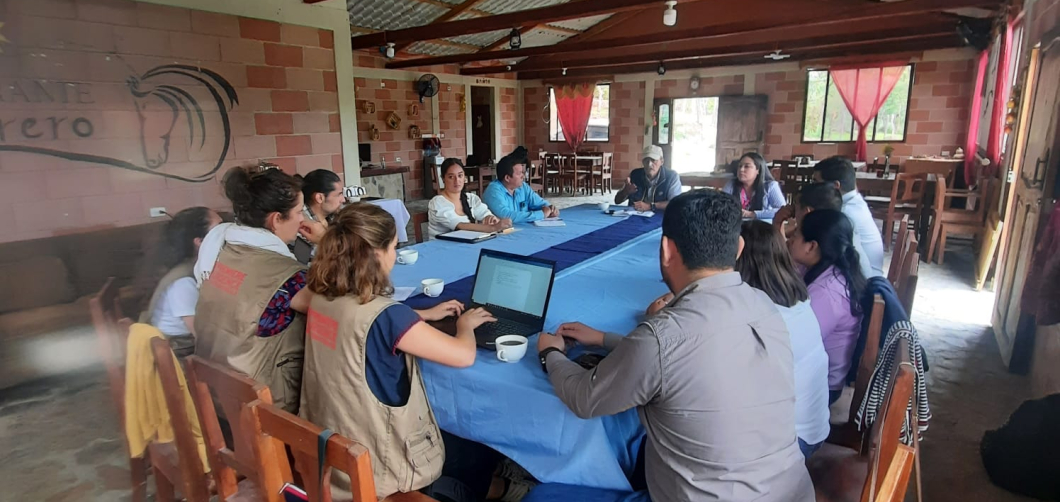
Following on from its work in Colombia and Venezuela, Première Urgence Internationale expanded its humanitarian commitment by carrying out two exploratory missions in Honduras, before establishing a permanent presence there in 2024. Drawing on its experience, the mission was able to adapt its approaches to respond effectively to the complex humanitarian challenges facing Honduran communities and people on the move. Since June 2024, Première Urgence Internationale has been working on the border with Guatemala, in the department of Ocotepeque, to improve access to healthcare for women and children in the context of migratory flows and in the surrounding Honduran communities.
Première Urgence Internationale
in action
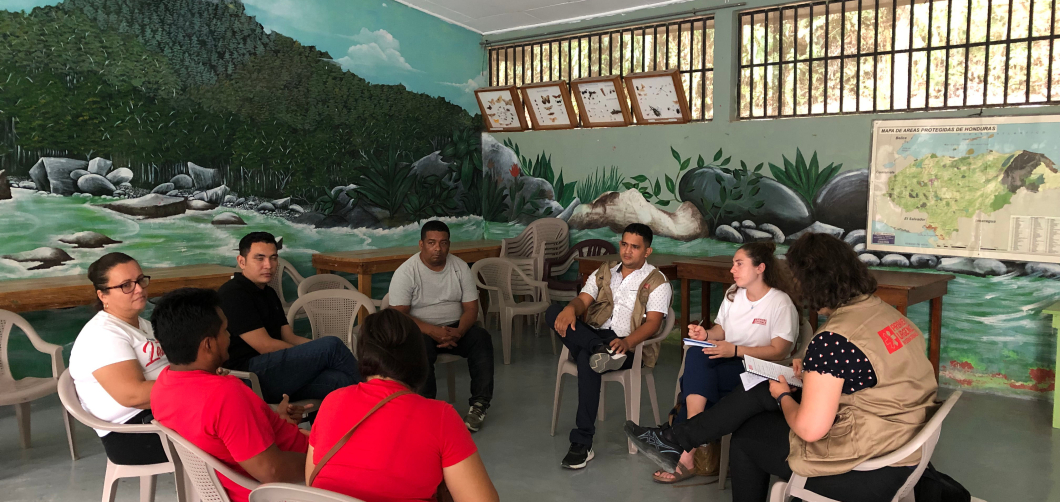
In Honduras, Première Urgence Internationale aims to provide vital health services to vulnerable women and children on the move and to local communities in the border region of Ocotepeque, with the following activities:
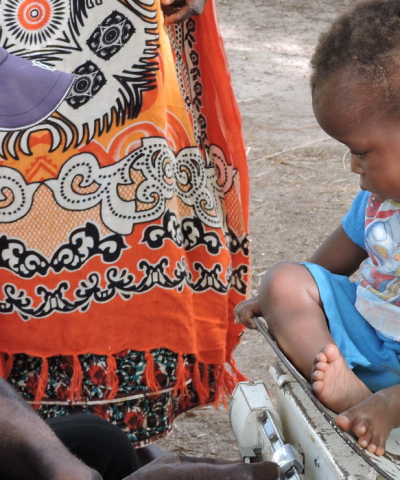
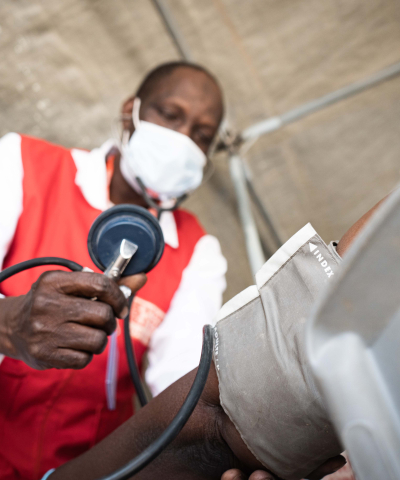
- Provision of essential primary health care and medical services tailored to women and children: medical consultations and prescription of basic medicines, pregnancy follow-up consultations and care for newborns, detection of cases of malnutrition in children.
- Provision of psychosocial support consultations: response to immediate psychosocial support needs, tailored to women and children, particularly in cases of psychological distress; integration with maternal and family health services; promotion of resilience and general well-being.
- Referrals to specialist services: transport and financial support for medical treatment in the region’s health centers for obstetric, pediatric and trauma cases, or for certain emergencies.
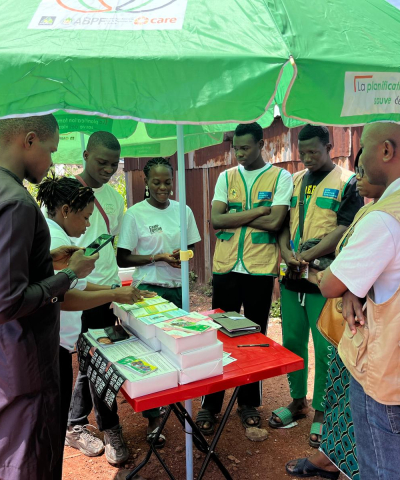
- Awareness-raising and information sessions: dissemination of targeted messages according to the age and needs of the people concerned. The sessions focus on health, hygiene, nutrition and the environment.
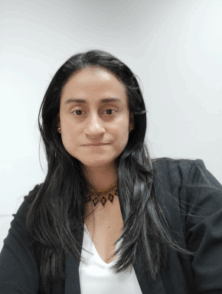
Vanessa Tapiero
Head of mission Honduras © Première Urgence Internationale
“We worked in Machuca and Ocotepeque, key locations on migration routes. There, the medical team provided priority consultations to pregnant women, children, and people in critical condition. These actions contributed significantly to preventing health complications, reducing risks, and strengthening the local care network with a sensitive and humanized approach. Coordination with local and international actors made it possible to respond to the needs of people with serious conditions, in a context where fear, misinformation, and violence limit access to essential health and protection services.”
Latest News
Our donors
CDCS (Centre de crise et de soutien du ministère de l’Europe et des Affaires étrangères)
CDCS (Centre de crise et de soutien du ministère de l’Europe et des Affaires étrangères)
Similar missions