

News
Understanding the Crisis in Syria: Context and Humanitarian Challenges
After more than 14 years of conflict, Syria is undergoing a major political transition in a humanitarian context that remains particularly fragile. The fall of Bashar al-Assad's regime in December 2024 opened a new chapter for the country, without putting an end to the consequences of more than a decade of war.
Publié le 19/08/2026 | Temps de lecture : 20 min
What is the situation in Syria today?
The conflict has profoundly transformed Syria and triggered one of the world’s largest humanitarian crises. Millions of Syrians have been forced to flee their homes, while infrastructure and essential services have been severely damaged. Fifteen years later, a large part of the population continues to face poverty and limited access to basic services.
Since December 2024, returns have accelerated: 1.2 million refugees have returned to Syria and more than 1.9 million internally displaced people have returned to their areas of origin. These returns represent a major challenge at a time when civilian infrastructure, essential services and livelihoods remain insufficient in many areas.
Why did the war in Syria begin in 2011?
The causes of the war in Syria are rooted in a longstanding political, economic and social context.
From 1970 onwards, President Hafez al-Assad established a highly authoritarian regime structured around the Arab nationalist Ba’ath Party, which controlled all aspects of Syrian political life. Following his death in 2000, his son Bashar al-Assad succeeded him and took power.
In the early 2000s, a brief period of economic liberalisation appeared to offer opportunities for change, but inequalities increased. Rural areas were particularly affected by difficulties in the agricultural sector, exacerbated by several years of drought.
Then came the Arab Spring, a wave of popular pro-democracy movements that spread across North Africa and the Middle East from December 2010 onwards. In Syria, the first demonstrations broke out in Daraa in March 2011, following the arrest and torture of a group of teenagers who had written anti-government slogans on walls. Peaceful gatherings organised by their families were suppressed by security forces, who opened fire on the crowds, killing several demonstrators.
The protests intensified and gradually spread to other regions. Syria then descended into a brutal civil war, which became increasingly internationalised over the years with the involvement of several foreign powers, including Russia, the United States, Türkiye and Iran.
The conflict caused massive population displacement: around 6 million Syrians became refugees, with more than 5 million seeking refuge in neighbouring countries, particularly Türkiye, Lebanon and Jordan. This refugee crisis generated political tensions throughout the region and in Europe.
Who governs Syria today?
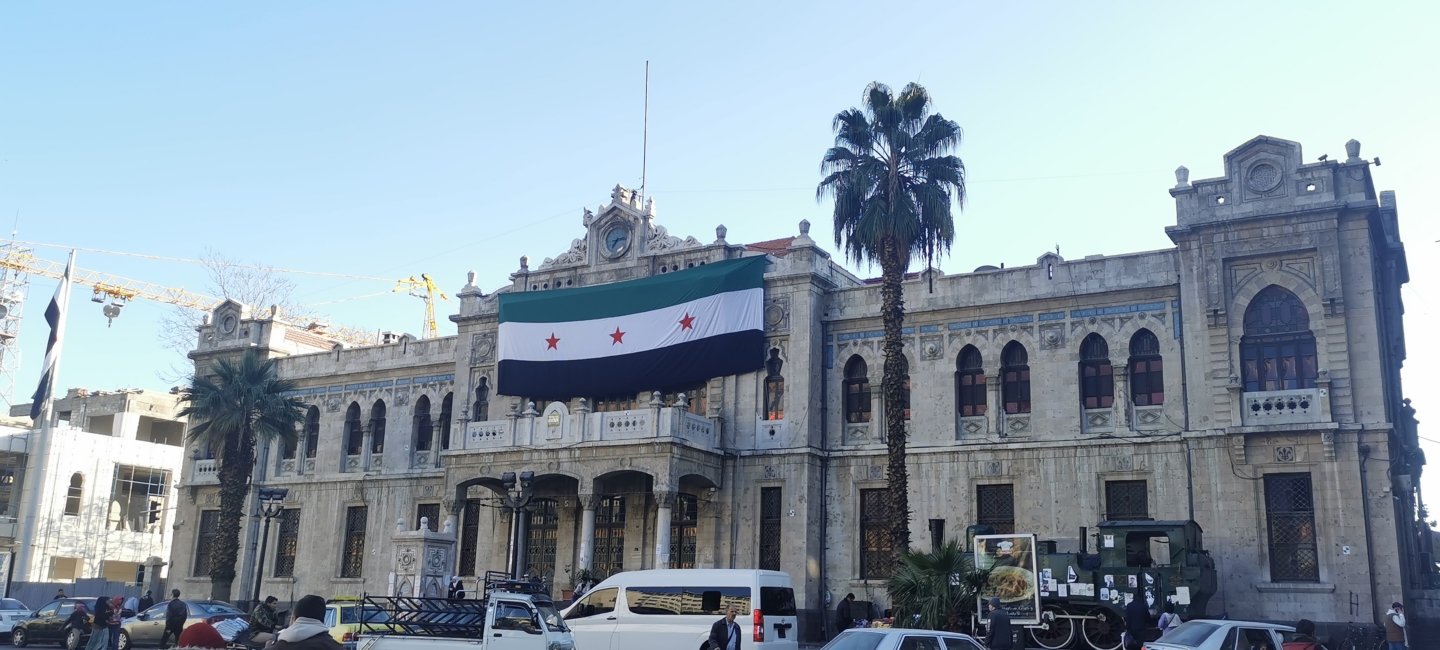
In 2024, after nearly 14 years of conflict, armed groups affiliated with Hayat Tahrir al-Sham (HTS), an Islamist organisation supported by Türkiye, brought down Bashar al-Assad’s regime. On 8 December 2024, rebel forces took control of Damascus and Bashar al-Assad fled to Russia, bringing more than fifty years of rule by the Assad family to an end.
At the head of HTS, Ahmed al-Sharaa, former leader of the Islamist group Jabhat al-Nusra, was appointed to lead the country as part of a transition supported by the United Nations, with free elections announced within five years.
This political transition nevertheless remains fragile. Institutions are struggling to resume their functions and the country’s reconstruction continues to face significant challenges.
Some progress has nevertheless been observed since the fall of the regime, including efforts to reunify the country and the gradual establishment of government structures. Economically, the partial lifting of US and European financial sanctions has also helped revive some economic activity.
In August 2026, Bashar al-Assad and his cousin Wassim al-Assad, a prominent member of the former ruling family, were sentenced to death in absentia for war crimes and crimes against humanity by the Syrian judiciary.
Why do intercommunal tensions remain high in Syria?
Syrian society is made up of a mosaic of religious and ethnic communities, whose relations have been profoundly affected by decades of authoritarian rule and war.
In March 2025, massacres targeting the Alawite community, from which the Assad family and a large part of the former Syrian regular army originated, killed more than 1,400 people, according to a report by a government commission of inquiry. A few months later, in July 2025, new intercommunal tensions erupted in the southern region of Sweida.
The area is notably home to the Druze community. Clashes between Druze groups, Bedouin tribes and government forces illustrate the persistence of tensions in a country deeply divided by years of conflict.
The situation also remains fragile in the northeast. In early January 2026, fighting resumed in Aleppo, in the northwest, between government and Kurdish forces, killing 105 people, including 45 civilians. The Syrian government army also regained control of the northeast of the country, previously held by the predominantly Kurdish Syrian Democratic Forces.
Also in January 2026, a presidential decree recognised the national rights of Kurds, recognised Kurdish as a national language alongside Arabic and restored citizenship to all Syrian Kurds.
Despite some progress, political representation remains limited for several sections of society. During the October 2025 legislative elections, women and minorities remained underrepresented.
What is the humanitarian situation in Syria?
Humanitarian needs in Syria remain considerable after more than a decade of armed conflict. The humanitarian crisis now affects more than 70% of the population, and the number of people in need reached its highest level since the beginning of the conflict in 2024.
The war has severely deteriorated living conditions. During the conflict, Syria fell 42 places in the Human Development Index ranking. People continue to face poverty, a lack of livelihoods and insufficient access to infrastructure and essential services.
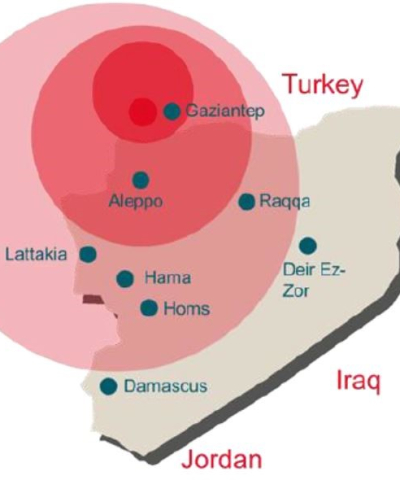
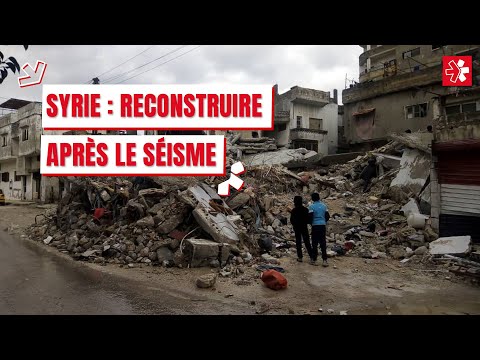
The February 2023 earthquake, which struck northwestern Syria, further aggravated the situation. The disaster placed additional pressure on public services, caused further population displacement and severely damaged infrastructure that had already been weakened by years of conflict.
How many people are displaced in Syria?
Syria has one of the largest displaced populations in the world. According to the 2024 Humanitarian Needs Overview, 7.2 million people were internally displaced.
More than one million people still live in camps, which are often overcrowded and located in areas where access to basic services such as healthcare, education, running water and electricity remains limited.
In addition to internal displacement, millions of Syrians have left the country since 2011. Since the fall of Bashar al-Assad’s regime in December 2024, however, these movements have partly reversed: 1.2 million refugees have returned to Syria and more than 1.9 million internally displaced people have returned to their areas of origin.
These approximately 3 million returns represent both a major development for the country and an additional humanitarian challenge in regions where civilian infrastructure remains severely damaged.
Under what conditions are Syrian refugees returning to their country?
Returns are taking place in a complex humanitarian context, marked by political progress but also by the persistence of major structural challenges.
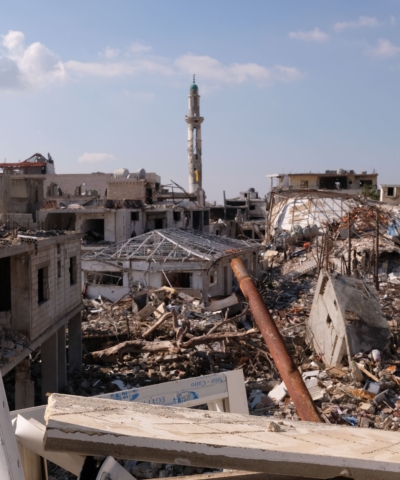
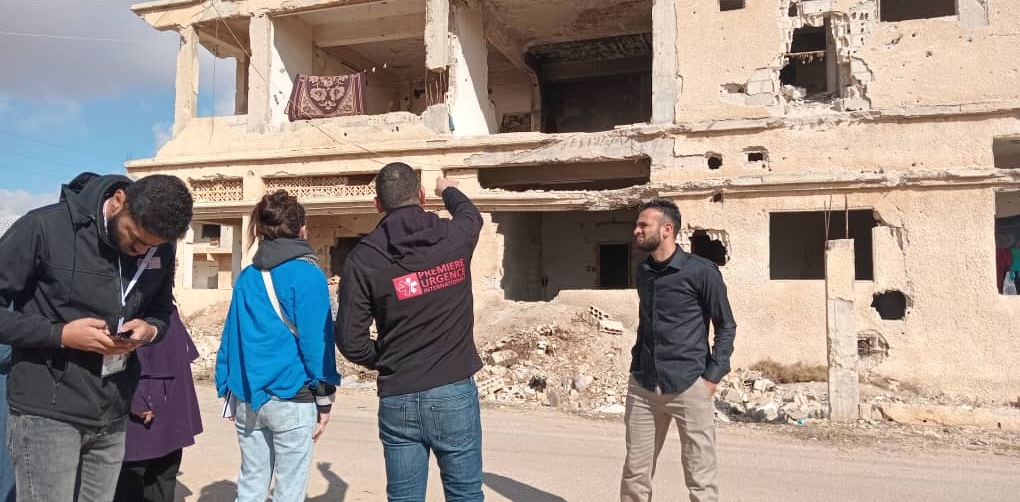
Syria’s civilian infrastructure remains severely damaged, limiting the prospects for safe, dignified and sustainable reintegration. Healthcare infrastructure, water, sanitation and hygiene systems, schools and transport networks remain insufficient to absorb large-scale population movements.
Refugee returns must therefore remain voluntary, informed and dignified.
Conditions in host countries also play an important role in decisions to return. Humanitarian assessments indicate that some movements are driven by deteriorating living conditions in host countries rather than by a sustainable improvement in the situation in Syria.
While 80% of refugees hope to return home one day and 27% now say they intend to return within the next twelve months, security, administrative documentation and the availability of essential services remain key concerns.
What are the main humanitarian needs in Syria?
Humanitarian needs now affect many aspects of daily life: housing, safe drinking water, sanitation, healthcare, education, transport and livelihoods.
Civilian infrastructure has been severely damaged by the war. One third of schools are unusable, while access to healthcare services and water and sanitation networks remains insufficient in many regions.
Restoring essential services is a major priority, particularly in areas receiving returnees. Functional healthcare facilities, with adequate staff and a reliable supply of medicines, are essential to ensure continuity of care. Rehabilitating water, sanitation and hygiene infrastructure is also vital to reduce health risks.
Resuming education, ensuring access to housing that meets minimum habitability standards and restoring livelihood opportunities are equally essential to enable families to rebuild their lives sustainably.
What dangers do explosive remnants of war pose to the population?
After more than 14 years of war, explosive remnants of war continue to pose a major threat to civilians and to people returning to their areas of origin.
Since December 2024, more than 550 people have been killed by explosive remnants of war, around one third of them children.
This danger compounds the difficulties faced by displaced people and returnees in areas severely affected by the conflict. The presence of explosive remnants can restrict access to housing, agricultural land, infrastructure and essential services, further complicating prospects for return and recovery.
How does Première Urgence Internationale operate in Syria?
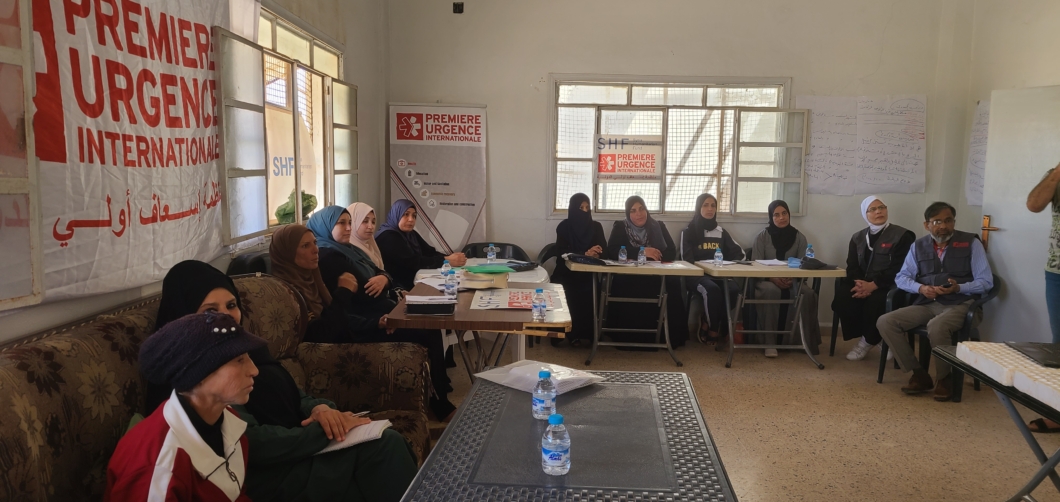
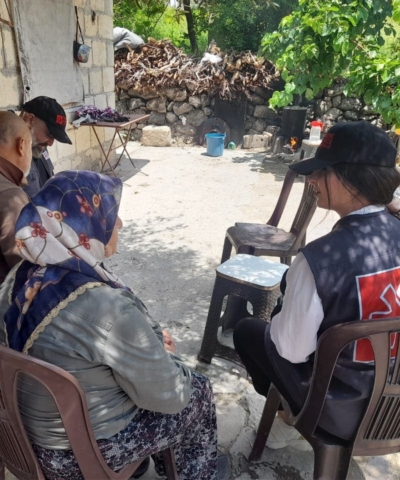
Present in Syria since 2008, Première Urgence Internationale currently operates in 11 of the country’s 14 governorates. In 2026, the organisation continues to implement an integrated, multisectoral approach to address the needs of affected populations. All interventions are based on needs assessments and community consultations to provide the most appropriate response.
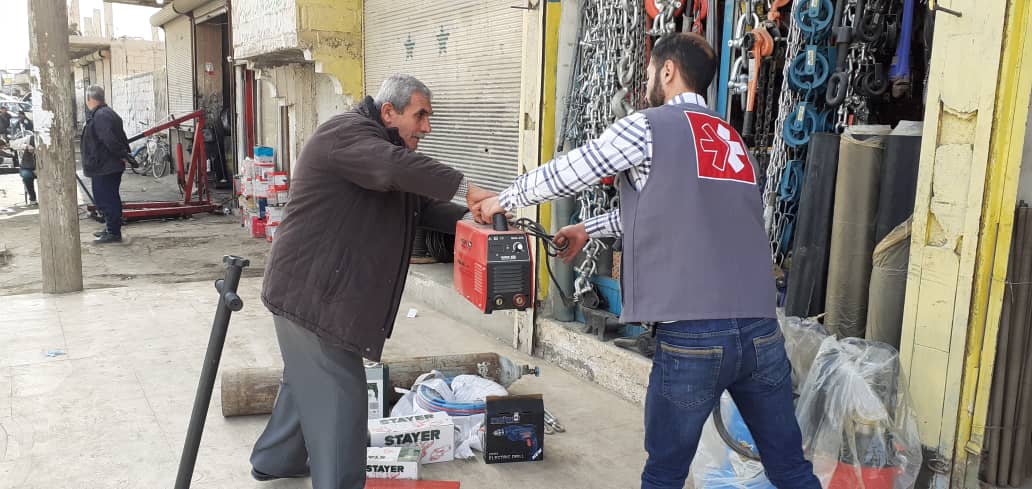
Our teams provide an emergency response to the most vulnerable people by rehabilitating collective shelters and damaged housing, improving access to water, sanitation and hygiene, and supporting healthcare and nutrition services. They also implement food security, cash assistance and agricultural support activities.
In more stable areas, Première Urgence Internationale carries out early recovery and livelihood support activities to help people gradually regain their autonomy. The organisation also contributes to strengthening social cohesion, particularly by supporting community committees and community-led initiatives.
Today, the mission includes 142 national staff and 8 expatriates. Première Urgence Internationale has supported 430,959 people in Syria.
How can you support Première Urgence Internationale’s humanitarian activities?
To effectively respond to the needs of populations affected by the war in Sudan, financial donations are currently the most effective and appropriate form of support. They allow our teams to respond rapidly, continuously adapt to changing circumstances and act while respecting people’s dignity.
1. Make a financial donation: effective support that preserves dignity
Donating online through our secure donation form is the fastest way to help.
- Responsiveness: Financial donations allow us to purchase essential items such as medicines, water and shelter materials directly in neighbouring countries or on local markets.
- Flexibility: If needs change within 24 hours, funds can be immediately redirected.
If no dedicated fundraising campaign is open for this crisis, your donation will be allocated to our Emergency Fund. This fund safeguards our independence: it allows us to intervene within the first hours of a disaster, even before international assistance is fully mobilised.
Why don’t we accept in-kind donations such as clothing or food?
Although the intention is generous, sending material goods from France can paradoxically have negative consequences for affected populations and relief operations. This reflects the humanitarian principle of “Do No Harm.”
- Logistics: Transporting clothing or food by air or sea often costs more than the value of the goods themselves. These resources are far more useful when invested directly in medical care or essential services on the ground.
- The local economy: Large-scale deliveries of free goods can also weaken local economies by competing with traders trying to maintain their livelihoods despite the crisis. Purchasing locally whenever possible instead supports local economies and contributes to community resilience.
- Matching actual needs: Needs on the ground are highly specific, including particular medicines, food standards and appropriate hygiene kits. Unsolicited donations often create logistical bottlenecks that slow down the delivery of lifesaving assistance.
- Dignity: Providing products suited to the local culture and climate respects the dignity of the people receiving assistance.
2. Raise awareness: essential support to ensure Sudan is not forgotten
Supporting humanitarian action is not only about making a financial contribution. Giving visibility to a forgotten crisis is also an essential form of engagement.
By liking, commenting on or sharing our social media posts, you help keep the crisis in Sudan visible in the public sphere, raise awareness of the scale of humanitarian needs and remind others that millions of civilians still require assistance.
This visibility helps us reach new audiences, mobilise additional support and ensure that the crisis does not fade from public attention, even though it remains one of the world’s most severe.
Even without making a donation, a simple share can amplify calls for assistance, support the work of teams on the ground and strengthen mobilisation around the most vulnerable populations.
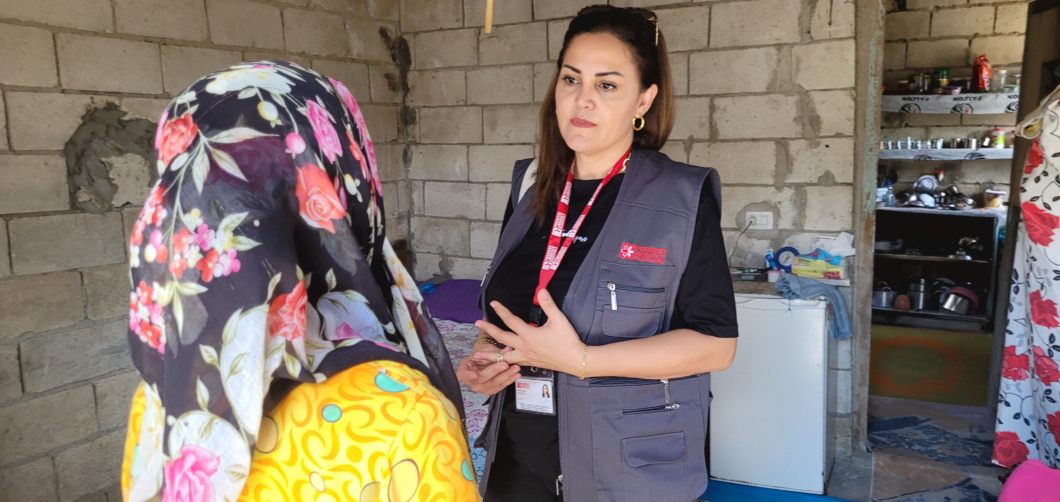
How can you support Première Urgence Internationale’s humanitarian activities in Syria?
After more than 14 years of conflict, humanitarian needs in Syria remain considerable. While the country has entered a new phase since December 2024, millions of people still face the consequences of years of war, including damaged infrastructure, limited access to essential services and a lack of sustainable livelihoods.
The return of refugees and internally displaced people is also placing additional pressure on communities and services in areas where infrastructure remains severely weakened. In this context, financial donations are one of the most effective ways to support humanitarian action. They allow our teams to respond rapidly, adapt to evolving needs and provide assistance while respecting people’s dignity.
1. Make a financial donation: effective support that preserves dignity
Donating online through our secure donation form is the fastest way to support our activities.
- Responsiveness: Financial donations allow us to purchase essential items such as medicines, safe water supplies and shelter materials directly on local or regional markets.
- Flexibility: As humanitarian needs evolve, funds can be rapidly redirected towards the areas and activities where they are most needed.
If no dedicated fundraising campaign is open for Syria, your donation will be allocated to our Emergency Fund. This fund safeguards our independence and enables us to intervene rapidly in emergencies, including before international assistance is fully mobilised.
Why don’t we accept in-kind donations such as clothing or food?
Although the intention is generous, sending material goods from France can sometimes negatively affect both local populations and humanitarian operations. This reflects the humanitarian principle of “Do No Harm.”
- Logistics: Transporting clothing or food by air or sea often costs more than the value of the goods themselves. These resources can be used more effectively when invested directly in healthcare, water, shelter or other essential services.
- The local economy: Large-scale deliveries of free goods can weaken local economies by competing with traders and businesses trying to maintain their activities. Purchasing locally whenever possible helps support local economies and strengthen community resilience.
- Matching actual needs: Humanitarian needs on the ground are highly specific, from particular medicines and medical equipment to appropriate hygiene and shelter kits. Unsolicited donations can create logistical constraints and slow down the delivery of essential assistance.
- Dignity: Providing products that are adapted to people’s actual needs, local culture and climate helps preserve the dignity of the people receiving assistance.
2. Raise awareness: helping keep the humanitarian situation in Syria visible
Supporting humanitarian action is not only about making a financial contribution. Raising awareness of the humanitarian situation in Syria is also an important form of support.
After more than a decade of conflict, Syria is entering a new chapter, but humanitarian needs have not disappeared. Millions of people continue to face difficulties accessing healthcare, safe water, adequate housing and sustainable livelihoods, while returning refugees and internally displaced people are trying to rebuild their lives in areas where essential infrastructure remains severely damaged.
By liking, commenting on or sharing our social media posts, you can help keep humanitarian needs in Syria visible, raise awareness of the realities faced by communities and highlight the continued need for humanitarian assistance.
This visibility helps us reach new audiences and mobilise further support for populations affected by years of conflict.
Even without making a donation, sharing reliable information about the humanitarian situation can help amplify the voices and needs of affected communities and support the work of humanitarian teams on the ground.
How can you make a donation to support our activities?
3. Donate online
To support our activities, you can make a secure donation directly through our online donation platform to our Emergency Fund.
Our Emergency Fund gives us the flexibility to respond rapidly and provide long-term support to the most vulnerable populations.
This financial independence also enables our teams to respond to crises that receive less international attention. 94% of our funds are directly allocated to our social missions.
Your donations enable us to be present before crises in some of the world’s most unstable regions, respond as quickly as possible during emergencies, and remain on the ground beyond the immediate emergency to address essential needs and contribute to recovery and reconstruction.
4. Donate by cheque
Make your cheque payable to Première Urgence Internationale and send it to the following address:
2, rue Auguste Thomas – 92600 Asnières-sur-Seine, France
To ensure that your donation is allocated to a specific response, please indicate Syria.
Did you know? Your donation entitles you to a tax reduction equal to 75% of the amount donated (up to the limit established under the Loi Coluche), and 66% beyond that threshold.
For donations of more than €10,000, please contact us at [email protected].
5. For companies: corporate philanthropy
If you represent a company, you can provide financial sponsorship or skills-based support. Contact our team at [email protected] to develop a solidarity initiative tailored to your organisation.
Première Urgence Internationale has an accounting department and a management control department whose rigour and transparency have been confirmed through every audit conducted by our financial partners. Our annual financial statements are also certified each year without qualification by Deloitte & Associés, our statutory auditor.