

News
90 Days of Impact in Yemen: Yemeni Midwives Changing Lives Every Day
A snapshot of European Union (EU)-funded PUI's integrated Health, Nutrition and WASH response across northern Yemen, April–June 2026
Publié le 27/07/2026 | Temps de lecture : 11 min
A Challenging Humanitarian Context
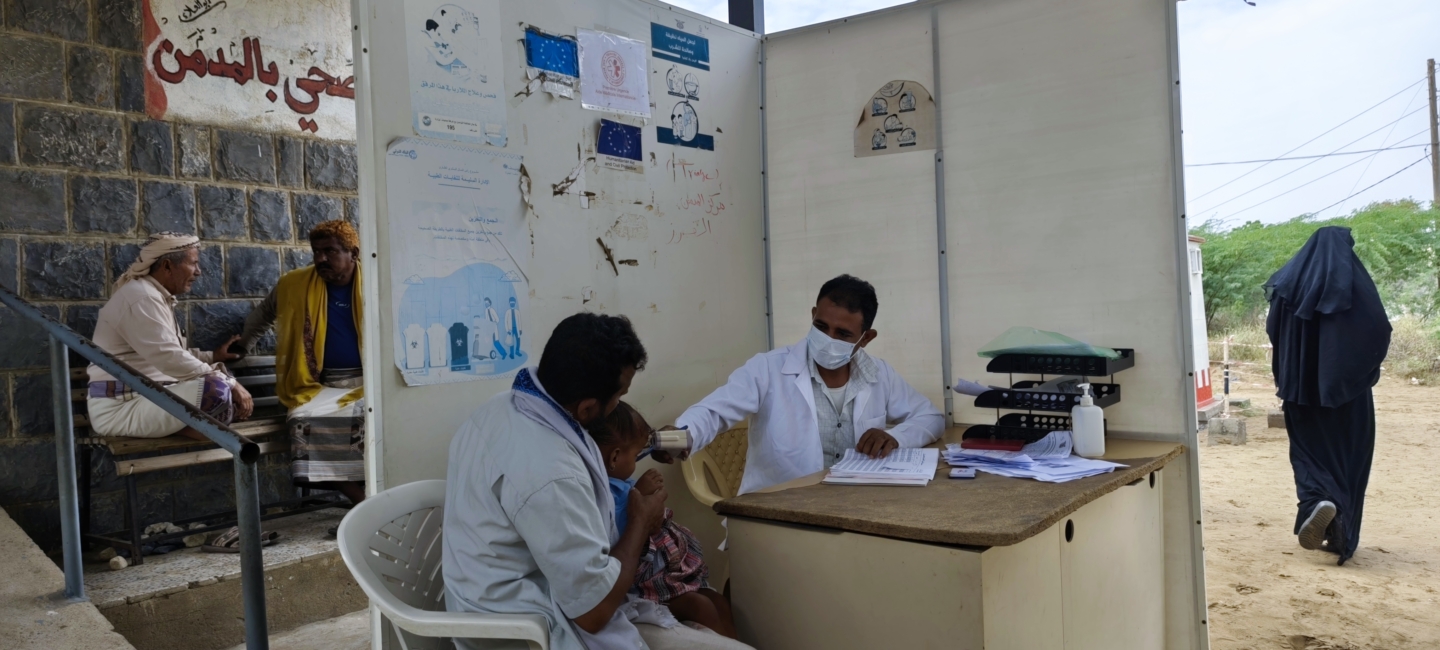
The humanitarian situation in Yemen remains severe. Millions of people continue to be affected by food insecurity, limited access to basic services and a prolonged economic crisis. In northern Yemen, thousands of people are threatened by famine and are expected to experience the highest levels of acute food insecurity, extreme food shortages and a high risk of starvation.
Against a backdrop of declining humanitarian funding, Première Urgence Internationale (PUI) has maintained its presence in Hodeida and Raymah Governorates, while also expanding its operations into Hajjah Governorate in early 2026, thanks to EU humanitarian support. This expansion is intended to help address growing humanitarian needs in the area.
Reproductive health is among the services most affected by the reduction of humanitarian assistance. In Hodeida, PUI identified significant gaps in maternity services, highlighting the need for additional support to ensure that women continue to have access to safe deliveries and essential maternal healthcare.
Supporting Maternal Health in Al Qanawis District
Al Qanawis District, in Hodeida Governorate, is home to approximately 140,000 people, including more than 14,000 internally displaced people, and has been identified as one of the Health Cluster’s ten priority districts in the governorate.
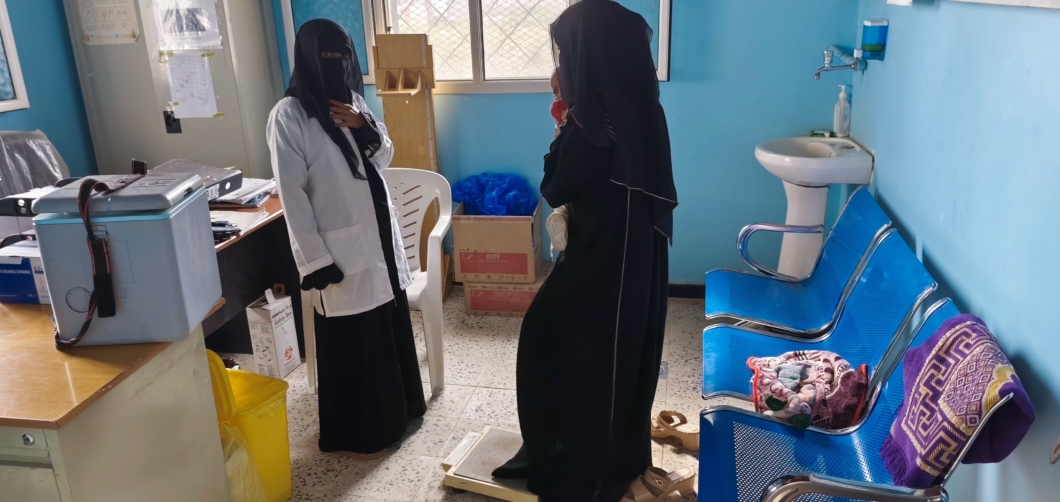
PUI has collaborated with the Governorate Health Office (GHO) to strengthen maternal health services at Al Qanawis Health Centre and Al Dawoodia Health Unit, both located in the district.
Funded by the EU through its Humanitarian Aid Operations, the maternity rooms were upgraded to improve the quality and safety of delivery services. The delivery rooms are now fully functional and staffed by seven Ministry of Health (MoH) midwives, providing women with access to skilled birth attendance in a safe environment.
Al Qanawis Village Water Network Enhancement: Strengthening WASH Services in Communities
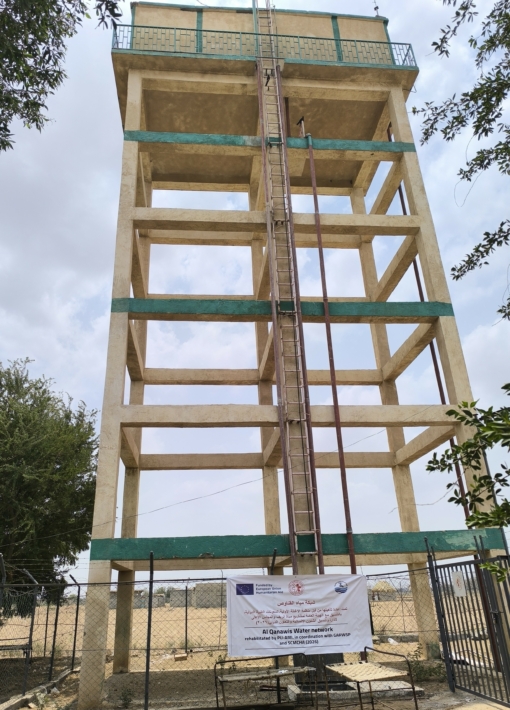
PUI’s support in Al Qanawis goes beyond the walls of the Health Centre. Recognising that preventing disease begins within the community, PUI has rehabilitated the Al Qanawis water network, improving access to safe water for families living around the health facility.
More than 200 households now have improved access to safe water, supplied through a solar-powered system. By extending its support from the health centre to neighbouring communities, the intervention helps reduce the risk of waterborne diseases, such as cholera and acute watery diarrhoea, while improving public health and living conditions.
90 Days of Impact
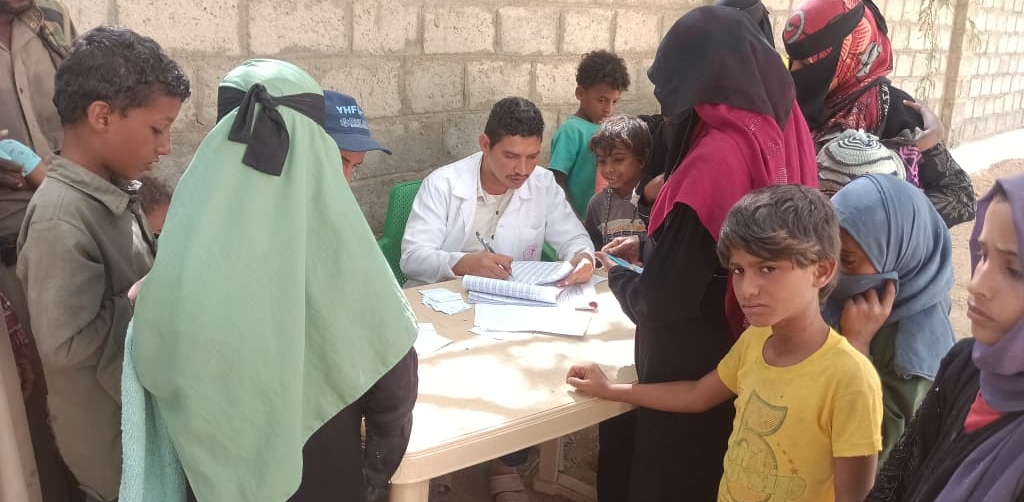
From April and June 2026, under the project funded by EU, PUI supported 544 Ministry of Health staff across northern Yemen. More than 50% of these staff are female healthcare workers, whose presence is essential to ensuring that women and girls can safely access healthcare in conservative communities.
Together, these teams delivered:
- 87,343 outpatient consultations
- 967 safe deliveries
- 8,790 antenatal and postnatal consultations
- 16,780 children treated through essential health and nutrition services
- 333 children under the age of five with Severe Acute Malnutrition (SAM) and complications admitted to PUI Therapeutic Feeding Centres (TFCs)
- 488 patient referrals from PUI-supported health facilities
- 7,000 people reached through improved water infrastructure and WASH activities
While the progress achieved over the past 90 days is encouraging, humanitarian needs across Yemen remain significant. Continued investment in frontline health workers, essential health services and community infrastructure is critical to ensuring that vulnerable families can access healthcare.
PUI is grateful to funding from the EU, that has made this response possible during this critical time in Yemen.
Our Financial Support