

News
Providing Healthcare in Remote Afghanistan: A Doctor’s Story
Publié le 17/07/2026 | Temps de lecture : 3 min
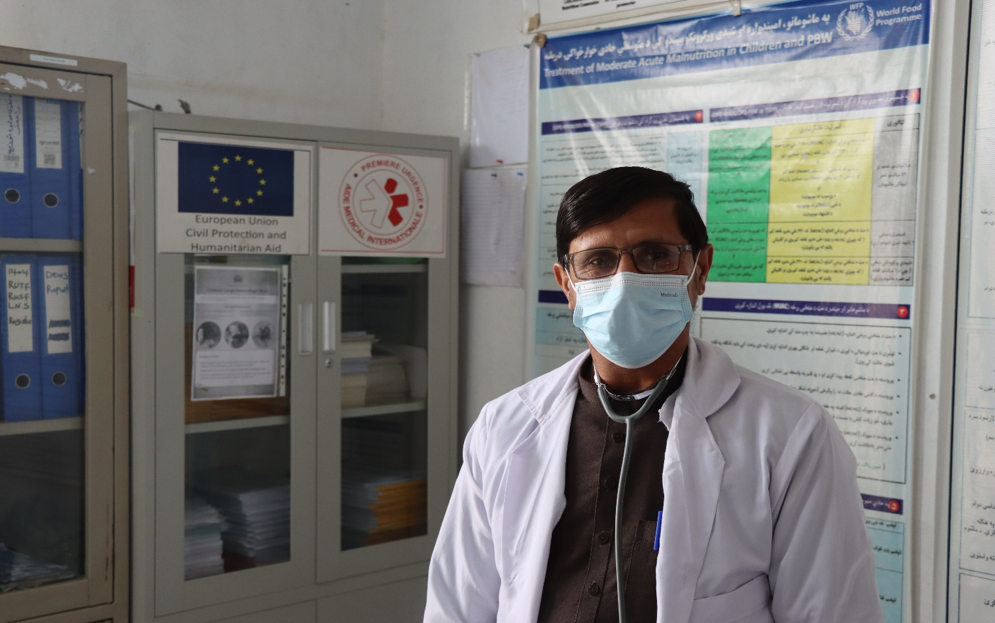
Delivering healthcare where it is needed most
I work as a medical doctor in one of the ECHO-funded health facilities in a remote area of Nangarhar Province, eastern Afghanistan.
Every day, I witness how difficult life can be for families living in these isolated communities. Health services are limited, villages are scattered across mountainous terrain, and many people struggle to reach medical care when they need it most. In a country facing a prolonged humanitarian crisis, these challenges continue to grow.
Working here is not easy. Most of the surrounding villages have no doctor at all. Patients often arrive at our health facility after travelling long distances, sometimes when their condition has already become critical. Poverty also shapes every decision they make. Many families delay seeking care because they cannot afford transportation or medical expenses.
As a doctor, seeing this reality is painful, but it constantly reminds me why my presence here matters.
Women and children are among those most affected. For many years, women gave birth at home without skilled assistance, facing complications that could often have been prevented. Child malnutrition remains widespread, and the shortage of female health workers makes access to care even more difficult.
Since our health sub-centre became operational, however, I have seen encouraging progress. More people are coming for medical consultations, mothers are bringing their children for treatment and nutrition support, and communities are beginning to trust the health services available to them.
Providing healthcare here is about much more than treating illness. It is about building trust.
When we first started working in the community, many people were hesitant to seek medical care. Today, they come with confidence. They ask questions, follow medical advice and return for follow-up visits. Watching this trust grow has been one of the most rewarding parts of my work.
Why humanitarian support still matters
Working as a humanitarian doctor during this crisis has changed me profoundly.
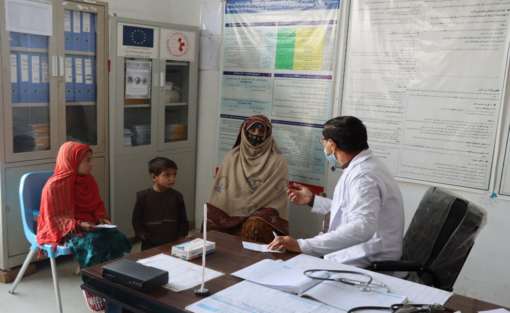
I feel a deep sense of responsibility towards the people I serve. Even when resources are limited and needs continue to increase, simply being present can make a real difference. Sometimes, listening to a patient or offering reassurance is just as important as providing treatment.
There are days when the challenges feel overwhelming. The humanitarian crisis continues, while the needs of communities grow every day. Public services alone cannot meet these needs, especially in remote areas like ours. Without humanitarian support, many families would have no access to healthcare at all.
I chose to stay because people here depend on us.
Every consultation, every safe delivery and every child treated for malnutrition is an opportunity to save a life and restore hope. Working in this environment reminds me every day what humanity truly means: standing alongside people when they are at their most vulnerable.
I would like to sincerely thank the European Union, through its humanitarian aid department (ECHO), for continuing to stand with the people of Afghanistan.
Your support allows us to provide essential healthcare in communities where people have very few alternatives. For health workers like me, and for the families we serve every day, this support is a powerful reminder that Afghanistan has not been forgotten.