

News
Preserving Long-Term Access to Housing for Vulnerable Families in Lebanon
Publié le 03/07/2026 | Temps de lecture : 6 min
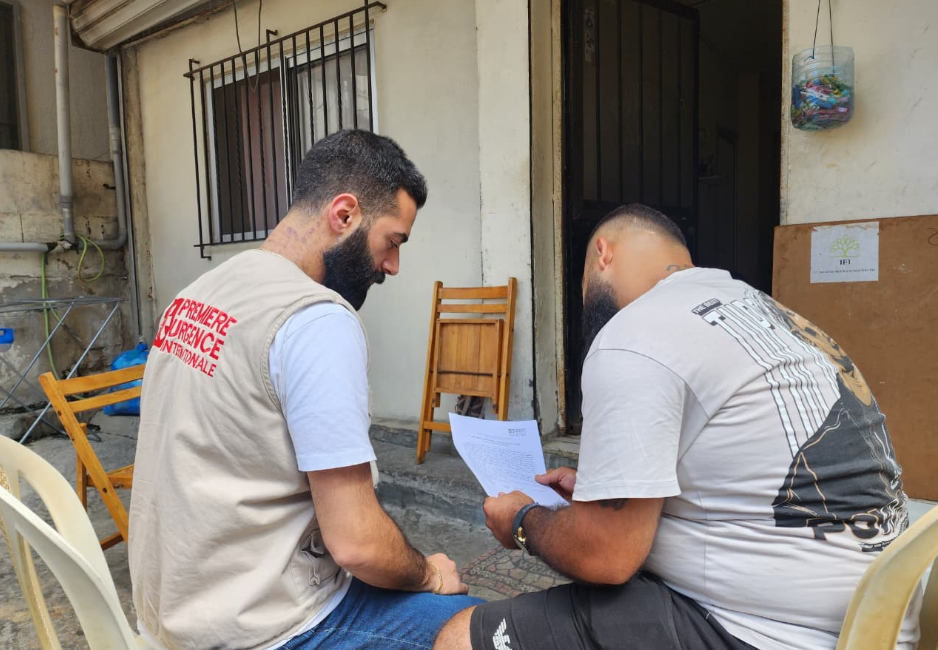
In Lebanon, a multi-faceted crisis driven by years of economic decline, political instability and the impact of ongoing conflict continues to push thousands of families into increasingly precarious situations. Ongoing hostilities have further compounded existing vulnerabilities, forcing many families to cope with displacement, damaged infrastructure and growing financial hardship. Rising living costs, declining incomes and repeated shocks have made access to adequate housing more difficult than ever for vulnerable households.
For many families, paying rent has become a constant source of anxiety. When a household can no longer afford this essential expense, the consequences go far beyond housing itself. The risk of eviction can affect access to employment, children’s education, health, and overall well-being.
To help address these growing needs, Première Urgence Internationale (PUI), with the support of the Citi Foundation’s Global Innovation Challenge, is implementing a housing assistance programme for vulnerable households across Lebanon. The initiative aims to prevent homelessness, support housing stability, and help families rebuild their lives with dignity.
This intervention is part of a broader commitment to supporting households facing access to adequate shelters in Lebanon. In 2024, Première Urgence Internationale was selected as one of the recipients of the Citi Foundation’s Global Innovation Challenge, which supports innovative solutions to address homelessness worldwide.
Changing Lives Through Housing Assistance
The stories of Mariam and Raymond demonstrate the life-changing impact that access to safe and stable housing can have on vulnerable families.
Lebanon’s prolonged economic crisis has significantly affected household livelihoods across the country.
For families already living in vulnerable conditions, an unexpected event such as a divorce, the loss of a job, or a serious illness can quickly push them into financial hardship.
When income becomes insufficient, rent is often one of the most difficult expenses to cover. Arrears accumulate, debts increase, and the threat of eviction becomes a daily reality.
Yet access to stable housing is about much more than having a roof overhead. It is a critical foundation for safety, dignity, family stability, and future opportunities.
Mariam: Rebuilding a Stable Life for Her Children
Mariam lives with her three children in a modest rented home in Dekwaneh, Mount Lebanon.
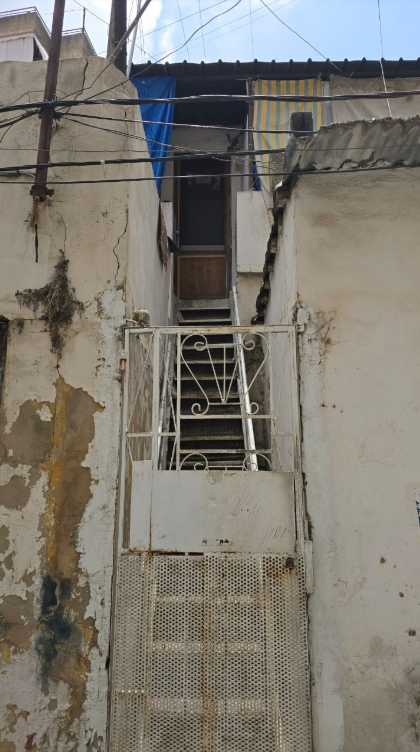
After leaving a difficult relationship marked by family problems and poor treatment, she made the decision to create a safer future for herself and her children. Since her divorce, she has become the sole caregiver and provider for the family.
To support her household, Mariam takes on various jobs, including cleaning homes, assisting elderly people, and helping families with small household tasks. One of her sons also contributes to the family income by working as a delivery assistant.
Despite these efforts, the household’s earnings remain insufficient to cover all basic expenses.
When PUI’s shelter team met Mariam during community outreach activities, she openly shared her concerns about her financial situation and the growing risk of losing her home.
Following a socio-economic assessment, Mariam was identified as highly vulnerable and became eligible for emergency support. Through PUI’s housing assistance program , she received emergency cash assistance to address her most urgent needs, followed by six months of Cash for Rent support.
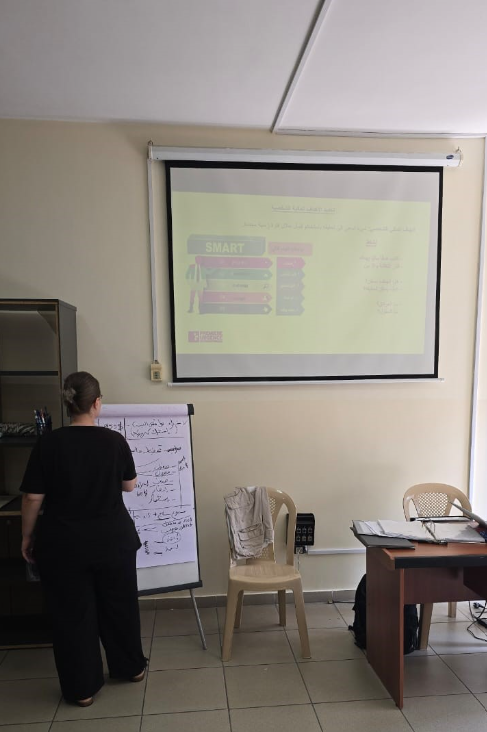
Beyond financial assistance, Mariam also participated in household budgeting training sessions organized by PUI. The training provided her with practical tools to better manage her expenses and plan for the future.
Reflecting on what she learned, Mariam explains:
“Before, I did not know where my money was going. Now I can manage it better. Even small savings make me feel safe.”
This simple statement reflects a significant transformation. Beyond securing her housing, Mariam has regained confidence in her ability to care for her children and make informed financial decisions.
Today, she applies these budgeting skills in her daily life and shares what she has learned with her children.
Raymond: Protecting His Family Through Hardship
Like Mariam, Raymond lives in Dekwaneh with his wife and their three children: Charbel, Georges, and Julien.
His family’s challenges began when his son Georges was born with a serious medical condition that required extensive treatment and several lifesaving surgeries.
To cover the medical expenses, Raymond gradually sold everything he owned. First, he sold his hair salon, which had been his main source of income. Eventually, the family was also forced to sell their home.
Despite these sacrifices, financial difficulties continued to grow. The family found another place to live, but they quickly fell behind on rent payments and faced the constant threat of eviction.
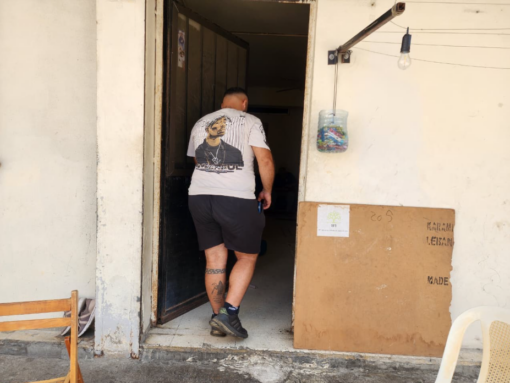
Looking back on that difficult period, Raymond recalls:
“I wasn’t able to make ends meet and bring my kids food. They only had water, bread, and sugar. I wanted to present you with good hospitality, but unfortunately, I did not have anything at home to put on the table.”
After being referred to PUI by Caritas Lebanon, Raymond’s family underwent a socio-economic assessment that confirmed their eligibility for support.
PUI’s team also negotiated with the landlord to prevent immediate eviction and secure a grace period for the family.
Through PUI’s housing assistance program, Raymond received six months of Cash for Rent assistance, allowing him to stabilize the family’s housing situation and redirect part of his limited income towards food and other essential needs.
Expressing his relief, Raymond says:
“By assisting with the rent, the team has lifted a huge burden. Otherwise, the house owner would have thrown us out.”
PUI’s support extended beyond financial assistance. The team maintained regular follow-up visits and provided guidance to help Raymond and his family cope with stress and uncertainty.
More than Rent Assistance
Mariam’s and Raymond’s experiences show that housing assistance is about much more than paying rent.
When families no longer face the daily fear of eviction, they are better able to focus on other essential priorities such as feeding their children, accessing healthcare, finding employment, and rebuilding family stability.
PUI’s approach combines financial support, individual follow-up, and capacity strengthening to help vulnerable households achieve more sustainable improvements in their lives.
Restoring Stability, Dignity, and Hope
Today, Raymond has found work as a mechanic. Although challenges remain, he can now focus more on supporting his children and planning for the future.
Mariam continues working to provide a safe and stable environment for her family while applying the financial management skills she gained through PUI’s training sessions.
Their stories highlight an important reality: safe housing is often the first step towards rebuilding a life with dignity.
With the support of the Citi Foundation, Première Urgence Internationale continues to help vulnerable families across Lebanon prevent eviction, reduce the risk of homelessness, and secure long-term access to safe housing.
Nos financeurs

Sanofi Foundation
Sanofi Foundation