

News
Sudan: Hopeful developments despite the conflict in Darfur
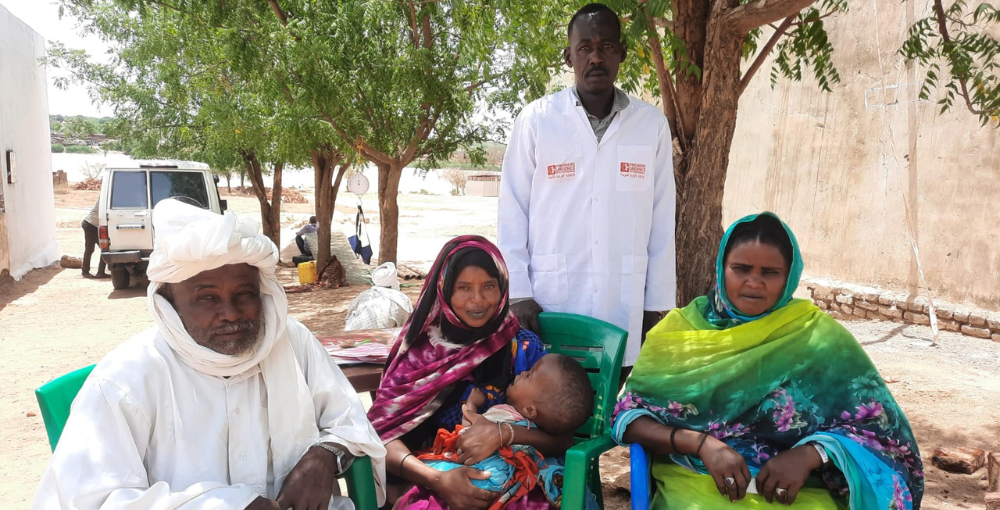
In the town of Kreinik, in West Darfur, where insecurity, displacement, and poverty intertwine, access to healthcare can make all the difference. For Aysha, a 30-year-old mother of five, that difference was significant. It happened when her youngest daughter, Amal, became very ill.
Publié le 06/08/2025 | Temps de lecture : 3 min
The story of a family in the Darfur region
Aysha* lives with her family in Rossi Damra, a small village where seasonal farming is the only means of subsistence. For four months of the year, they grow beans, which they sell or process into oil for the local market.
But once the rainy season ends, income stops. The following eight months are marked by precariousness, food insecurity, and a lack of opportunities. Like many families in the region, they survive by rationing their resources.
Although Aysha’s family has never been displaced by the violence of the conflict in Darfur, they are suffering the consequences. The 2022 attacks in Kreinik left hundreds dead and tens of thousands displaced. Since then, basic services have remained limited, and child malnutrition has reached critical levels.
Working in health centers
in rural areas
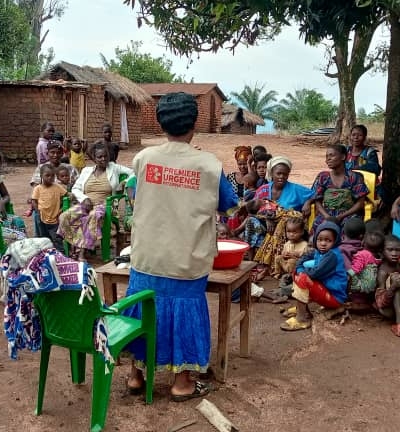
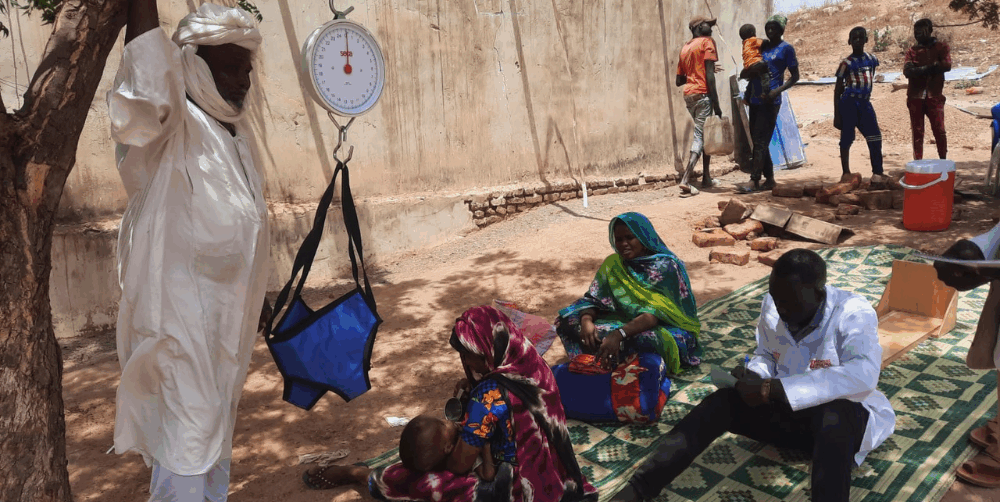
The turning point came when a neighbor told Aysha about the health center in Um Duwain. Thanks to the help of Première Urgence Internationale, the center has been renovated. It now offers essential services, including primary healthcare, nutritional support, and psychosocial support. There is also a referral system for the most serious cases.
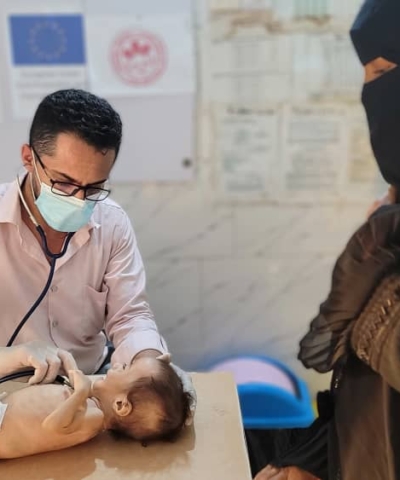
Amal* was only five months old when Aysha brought her to the center. The child showed signs of severe acute malnutrition with edema and hydrocephalus, as well as infected skin lesions. The trained and equipped medical team immediately arranged for her transfer to the hospital in Geneina.
There, doctors made several diagnoses: in addition to malnutrition, Amal was suffering from malaria and pneumonia and needed urgent surgery. After two weeks in hospital, she was able to return home to Um Duwain. Her condition remains serious, but she is alive and receiving medical care.
“Before, we didn’t know where to turn,” says Aysha. “But now, thanks to Première Urgence Internationale, we have hope that Amal can be treated.” Aysha’s testimony echoes that of her relative Sarah*, who accompanied her that day. In May, Sarah herself saw her sister saved thanks to the center’s referral system.
Her sister was suffering from obstetric complications, and after two miscarriages, she was able to give birth safely in Geneina.
“Thank you to Première Urgence Internationale for saving my sister and her baby’s life,” said Sarah. “We hope that the NGO will continue to grow and fly ever higher.”
Providing a collective humanitarian response
Since October 2024, Première Urgence Internationale has been supporting the Um Duwain health center in partnership with Triangle Génération humanitaire and with the support of the European Union’s Humanitarian Aid. In collaboration with local actors such as Al Zeena and staff from the State Ministry of Health, Première Urgence Internationale provides health, nutrition, and referral services to a population of over 54,000 people. Together, we are working to ensure that no family is left behind.
* Names have been changed to ensure confidentiality.
Find out more about:
Financial support