


From crisis to resilience: the legacy of Première Urgence Internationale in Iraq
© Thibault Savary
From crisis to resilience: the legacy of Première Urgence Internationale in Iraq
© Première Urgence Internationale
From crisis to resilience: the legacy of Première Urgence Internationale in Iraq
© Livia Saavedra
From crisis to resilience: the legacy of Première Urgence Internationale in Iraq
© Sarah Samya Anfis
From crisis to resilience: the legacy of Première Urgence Internationale in Iraq
© Livia Saavedra
1990–2025: A chronicle of humanitarian commitment
For over three decades, Iraq has endured a succession of crises, from war and embargo to displacement and climate shocks. Throughout this turbulent period, Première Urgence Internationale stood as a steadfast humanitarian actor, adapting its mission to meet evolving needs and leaving behind a legacy of resilience, innovation, and solidarity.
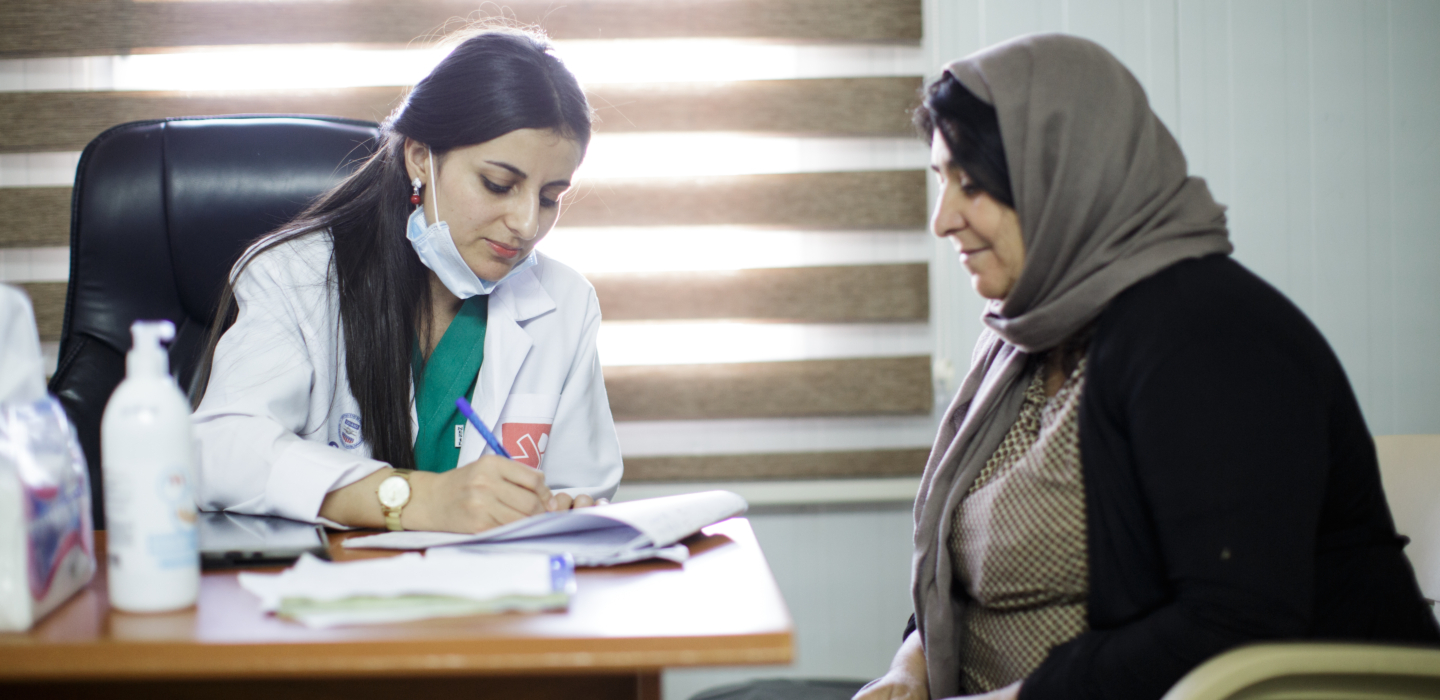
Photo credit : © Thibault Savary
A mission born in crisis
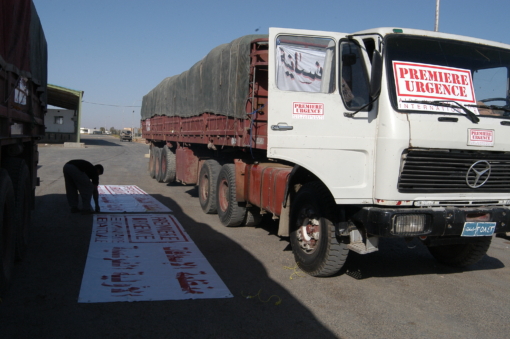
The 1990 UN embargo following Iraq’s invasion of Kuwait triggered a humanitarian collapse. “The reality of the embargo in Iraq was that it strengthened Saddam Hussein’s power while the population kept sinking deeper into hardship“, remembers Jean Javogues, who was an expatriate in Iraq for Première Urgence at the time. “We were almost the only ones positioning ourselves on these issues of blockade and embargo. It was in our DNA: breaking a blockade to maintain access.”
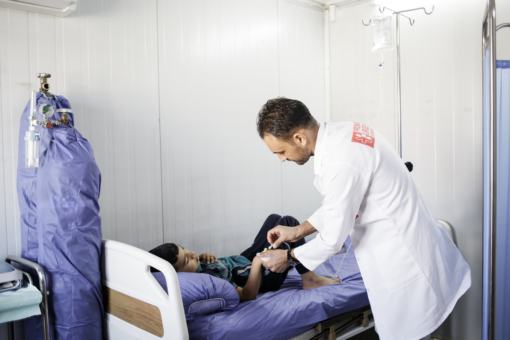
Hospitals deteriorated, diseases resurged, and education systems crumbled. In 1997, Première Urgence Internationale began operations in Iraq, rehabilitating hospitals, training staff, and restoring essential infrastructure. By the early 2000s, nearly a quarter of Iraq’s hospital beds had been revitalized. Jean’s colleague Erwan Le Grand, says he had never done anything like it: “These 600 to 700bed hospitals had once been among the best in the region. Seeing them in that state was staggering. We were rebuilding absolutely everything.”
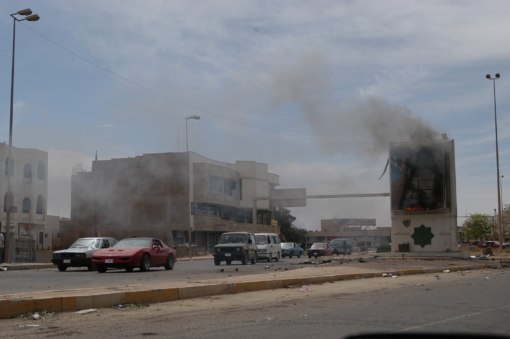
The 2003 invasion by the U.S.-led coalition plunged Iraq into chaos. Despite escalating violence, Première Urgence Internationale remained active, relocating expatriates to Amman while empowering local teams. It expanded its scope to support displaced populations, rehabilitate schools, and foster cultural resilience through initiatives like a children’s center in Baghdad. Première Urgence Internationale also founded the NGO Coordination Committee in Iraq (NCCI), enhancing collective security and operational effectiveness.
Adapting to conflict and recovering
Between 2004 and 2009, Première Urgence Internationale responded to intense fighting in Fallujah and Najaf with emergency medical aid, infrastructure rehabilitation, and direct support to displaced families. A standout initiative was the medical evacuation program for children with heart conditions, in partnership with La Chaîne de l’Espoir.
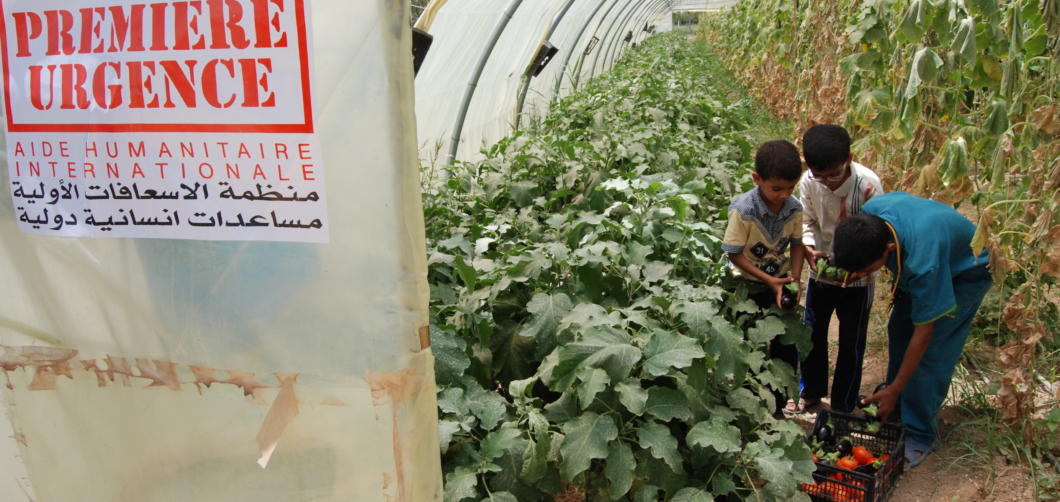
From 2010, Première Urgence Internationale shifted toward community development. The “My Village, My Home” program in Baghdad promoted agricultural revival, water access, and economic resilience, fostering cooperation among refugees, IDPs, and host communities.
Responding to new waves of displacement
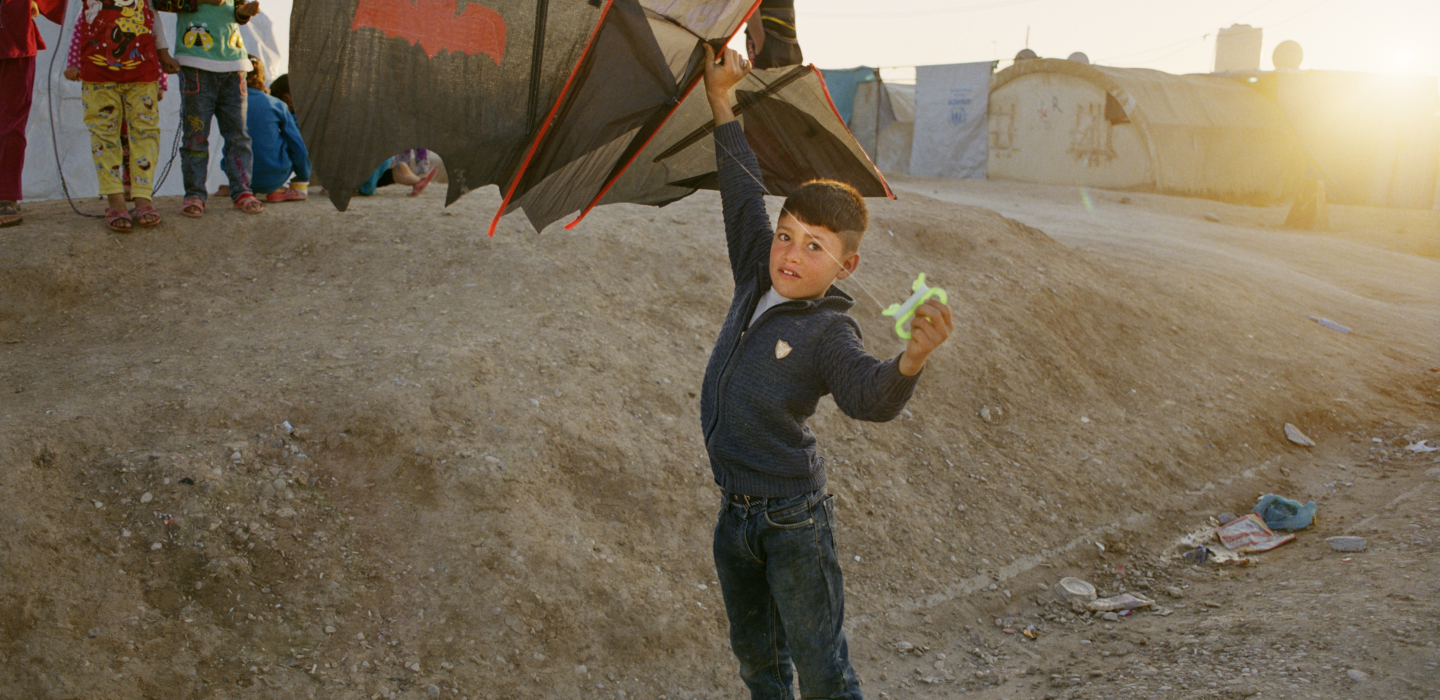
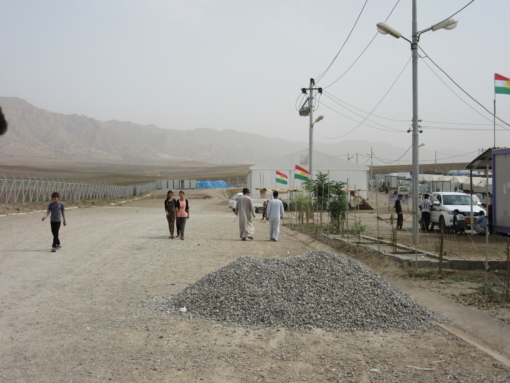
The Syrian conflict in 2013 brought over 63,000 refugees to Iraqi Kurdistan. Première Urgence Internationale launched a rapid response in Dohuk, addressing health and sanitation needs while maintaining operations across Iraq amid rising violence.
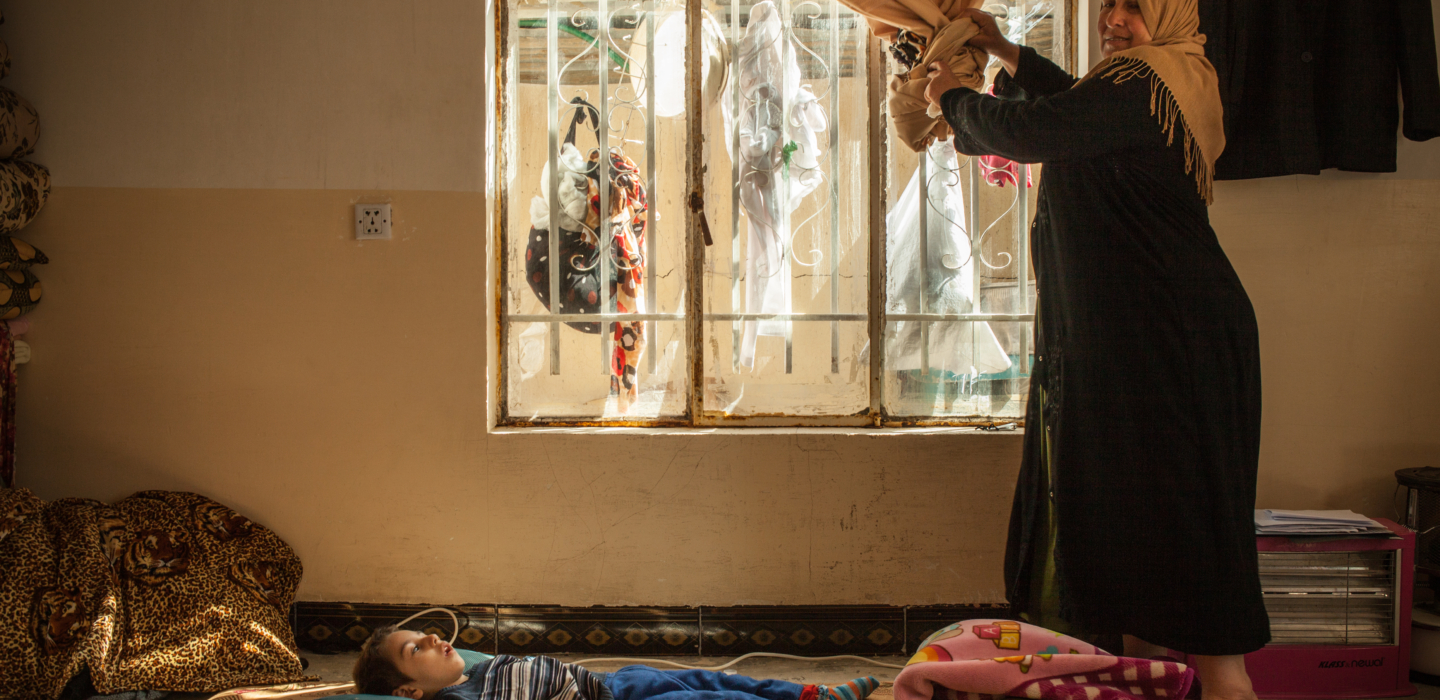
Première Urgence Internationale’s integrated approach— healthcare, WASH, shelter, and mental health —proved vital as Iraq faced compounded crises, including climate change. Ranked the fifth most climate-affected country globally, Iraq’s vulnerable communities suffered from droughts, floods, and sandstorms, exacerbating health and food insecurity.
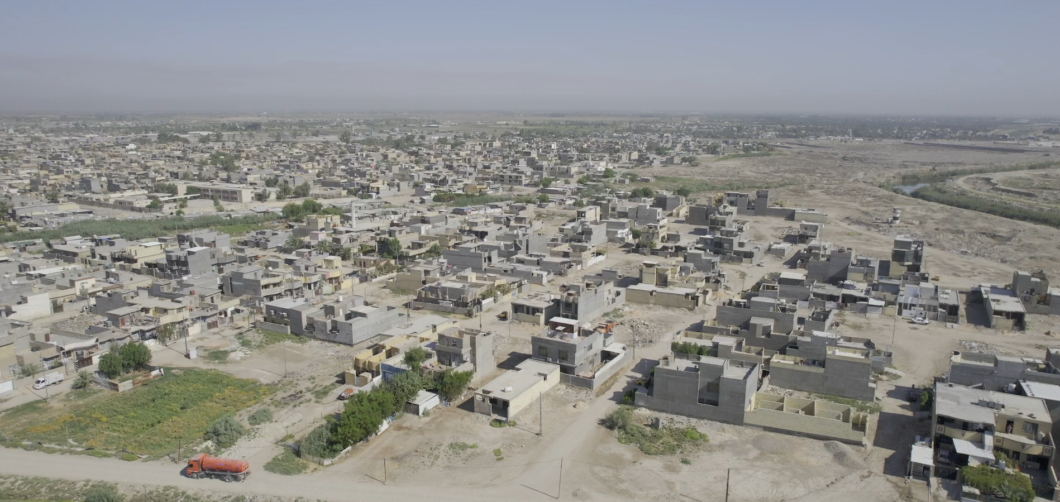
A collaboration initiated in 2021 with the Fondation pour le Logement des Défavorisés enabled the rehabilitation of 46 homes in the Qadisiya province, improving families’ protection against heatwaves, water shortages, and other effects of climate change. It also helped raise community awareness about climate impacts and strengthen their resilience, notably through targeted psychosocial support.
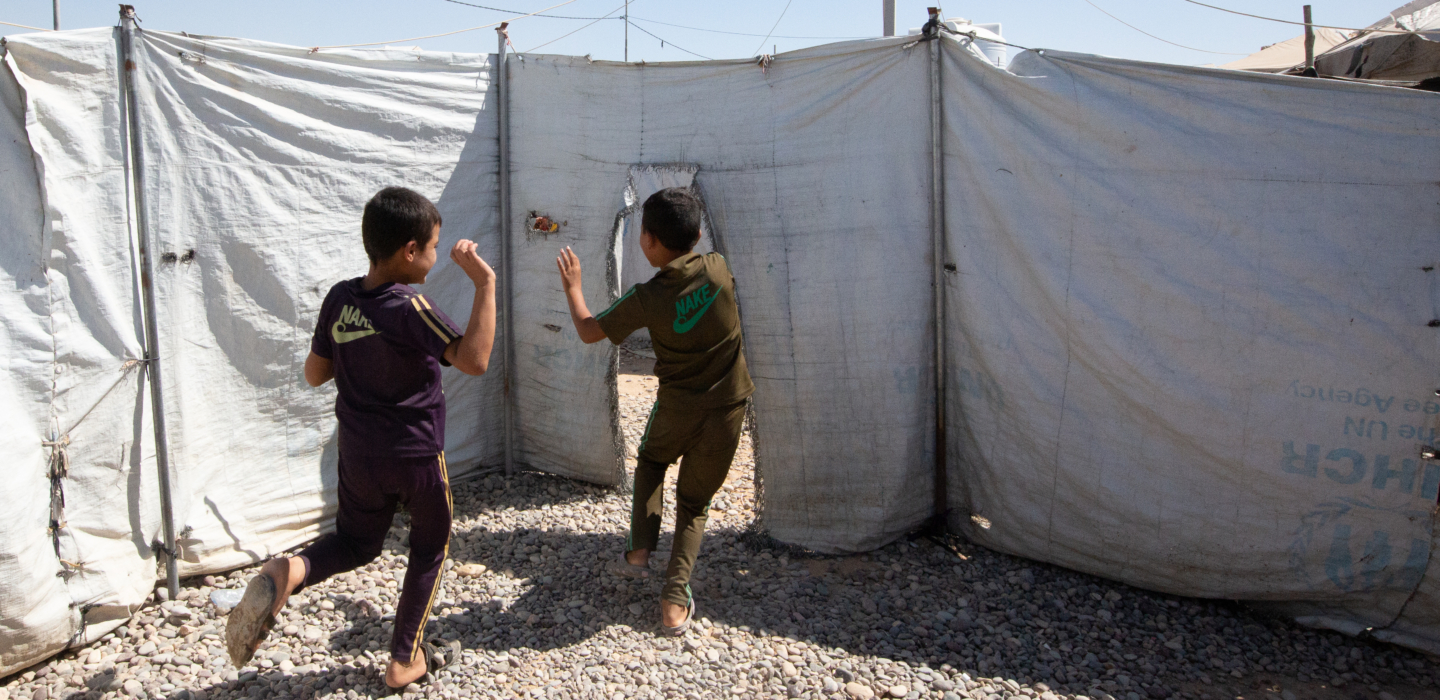
Photo credit : © Première Urgence Internationale
ISIL crisis and beyond
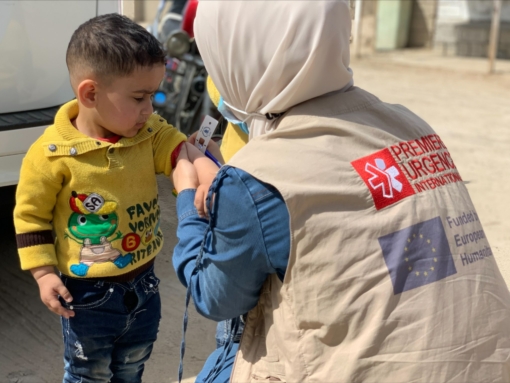
Between 2014 and 2017, ISIL’s rise displaced over six million Iraqis. Première Urgence Internationale scaled up with support from donors like ECHO, UNICEF, and UNHCR, delivering multi-sector aid: hygiene kits, GBV awareness, mine risk education, mobile health services, and school rehabilitation. Even as returns began, 1.3 million Iraqis remained displaced in 2020.
Security and logistics posed constant challenges. Coordinating with dual governments, navigating checkpoints, and managing medical shipments required strategic negotiation and GPS-monitored movement. Despite these hurdles, Première Urgence Internationale maintained a robust presence with over 700 staff and 22 expatriates.
Innovation in crisis: COVID-19 and cash assistance
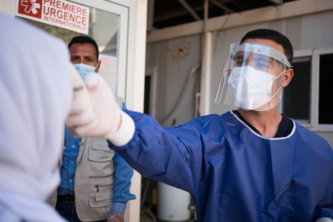
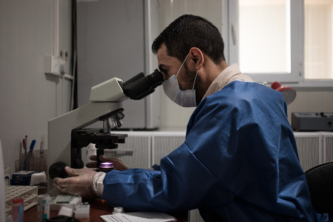
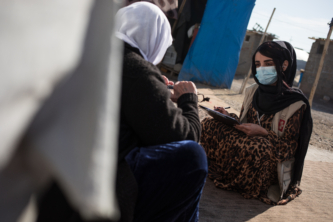
During the COVID-19 pandemic, Première Urgence Internationale ensured uninterrupted medical supply chains and even produced its own masks. In 2022, it pioneered health-focused cash voucher assistance in remote areas, enabling over 300 beneficiaries to access consultations and medicine via digital wallets. This holistic model—covering transport, treatment, and follow-up—earned praise and budget extensions from ECHO.
© Florent Vergnes / Première Urgence Internationale / 2020
© Florent Vergnes / Première Urgence Internationale / 2020
© Florent Vergnes / Première Urgence Internationale / 2020
Building local capacity for a sustainable future
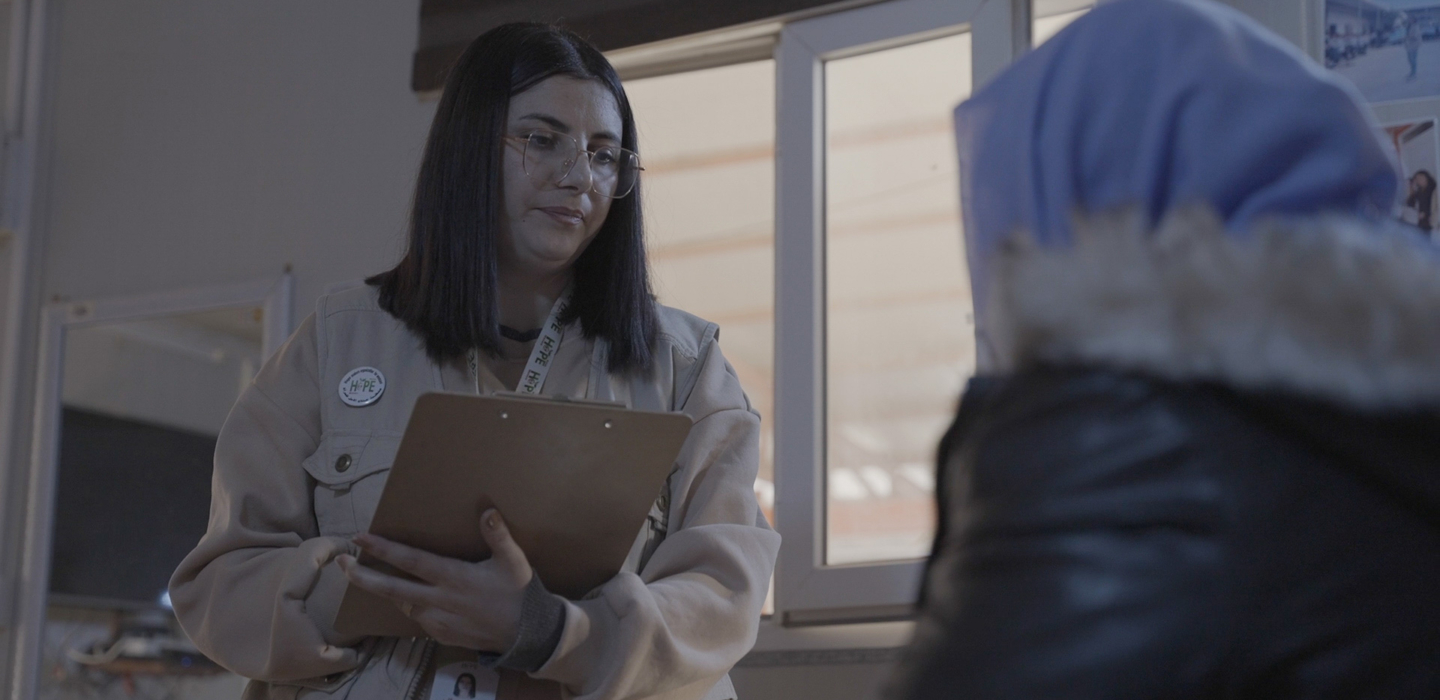
As Iraq entered a phase of stabilization, Première Urgence Internationale focused on empowering local actors. In Ninewa, it partnered with Hope Makers Organization for Woman (HMOW), supporting capacity-building in Sinjar, a region scarred by the 2014 Yezidi genocide. Première Urgence Internationale provided training in MHPSS, project management, and safeguarding, while ensuring financial support fostered autonomy, not dependency.
HMOW’s strengthened capacity and visibility now position it to lead humanitarian responses, continuing projects initiated under Première Urgence Internationale with new donors like CDCS. This transition marks a shift toward nationally driven recovery—essential for Iraq’s long-term resilience.
Photo credit : © Première Urgence Internationale
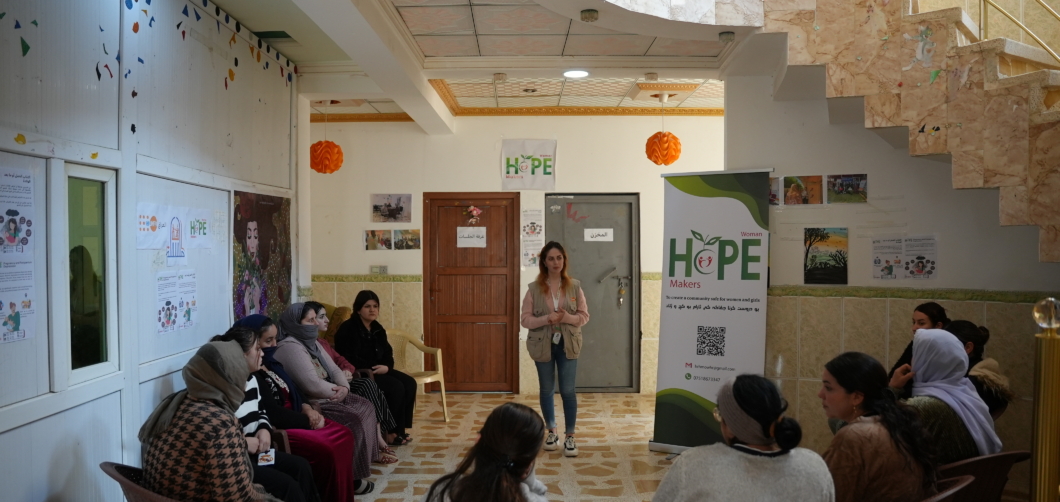
In this context, Première Urgence Internationale has chosen to hand over to Hope Makers Organization for Woman and close its mission in Iraq, after nearly thirty years of engagement alongside Iraqi communities. This decision reflects the organization’s commitment to sustainably supporting local actors, ensuring that humanitarian initiatives can continue to develop as close as possible to the communities they serve.