

News
Humanitarian emergency in Mali: working closely with displaced families
In Mali, the humanitarian emergency is becoming increasingly acute. Between the conflicts in the center and north of the country and the vagaries of the climate, by June 2025, more than 400,000 people¹ had been forced to flee their homes. These mass displacements cut populations off from essential services: accessing healthcare and food becomes a vital challenge, particularly for women and children.
Publié le 21/01/2026 | Temps de lecture : 10 min
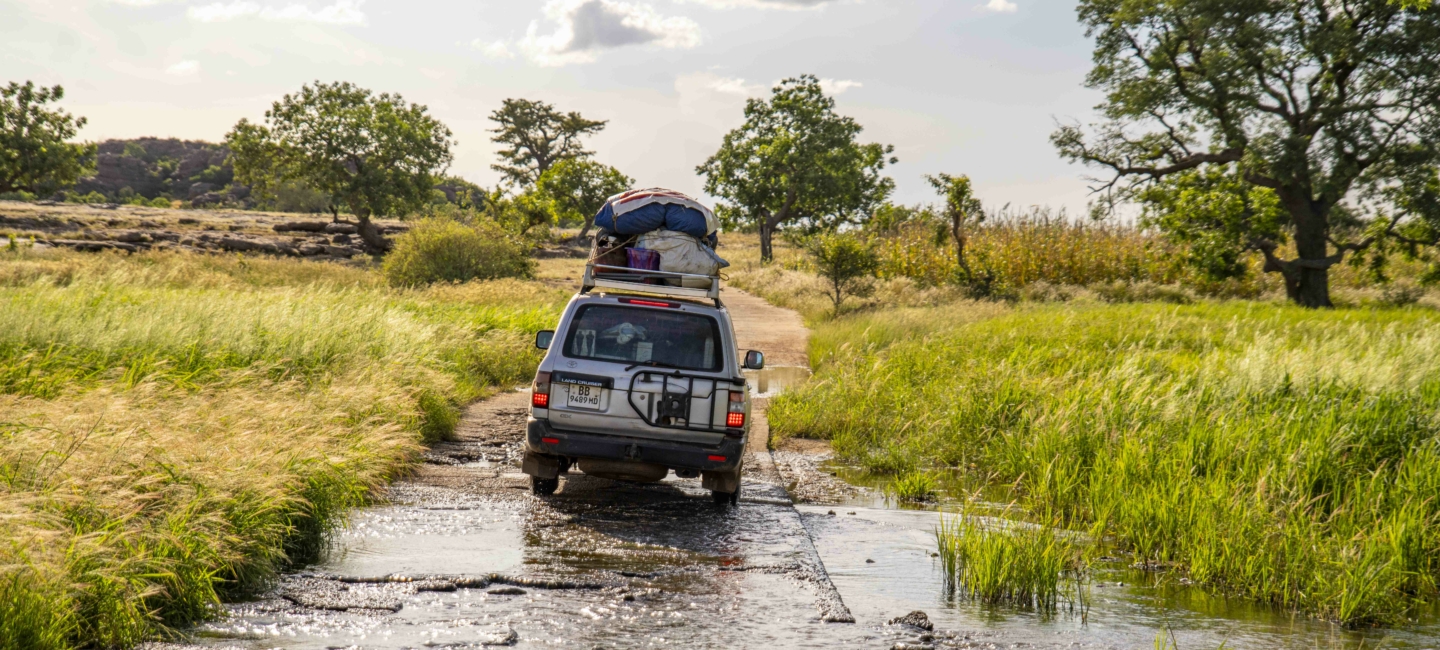
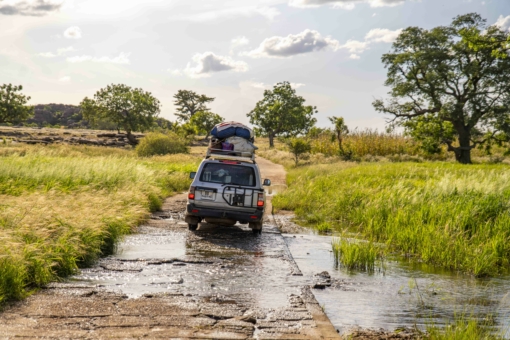
In the Bankass circle and the Kidal region, Première Urgence Internationale is deploying mobile clinics. Our mission: to respond to the urgent needs of internally displaced persons by providing medical, nutritional, and psychological assistance.
Improving access to healthcare for pregnant women in Bankass
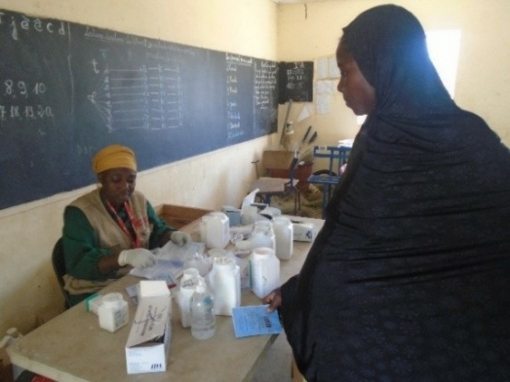
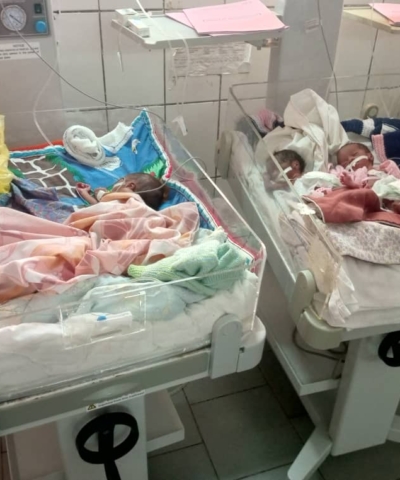
In Kouroundé, access to healthcare is a daily struggle. For Fanta, 30, who is pregnant, the mobile clinic has changed everything. Thanks to free healthcare and the presence of a midwife, she can finally enjoy her pregnancy with peace of mind.
“This consultation is very important. It’s beneficial for the child’s development and makes childbirth easier,” she says.
The intervention does not stop at medical care. For an expectant mother facing the stress of insecurity, psychosocial support is a key step. It helps transform uncertainty into hope, preparing her as best as possible for the arrival of her newborn.
Mental health: restoring hope after trauma
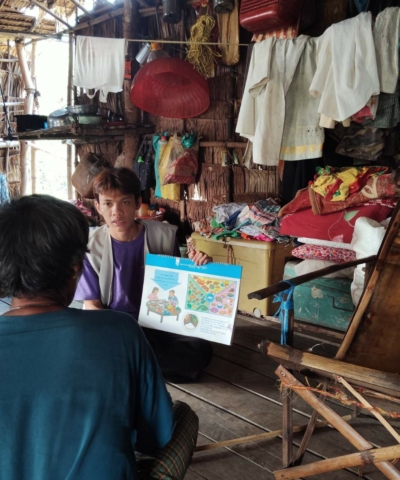
Survival is not just physical. Fatoumata, 31, lost her husband in this context of violence. Plunged into deep mourning and severe insomnia, she could no longer see a way out. It was the support of our psychosocial workers over a period of seven months that helped her to dispel her dark thoughts.
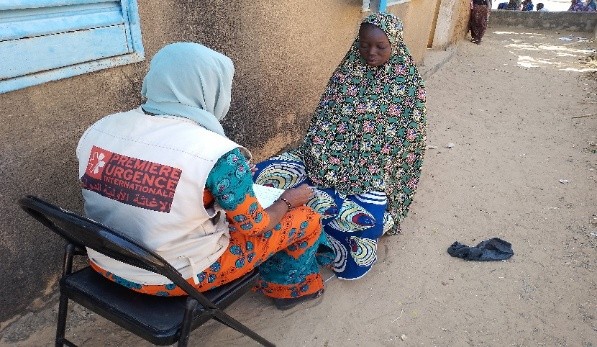
“The psychosocial worker welcomed me with respect and consideration, reassured me, and explained the care process to me. Thanks to her support, I gradually began to get rid of my negative thoughts,” she explains.
Today, Fatoumata is sleeping well again, has the energy to carry out her activities, and has even remarried. Her renewed smile proves that healing the wounds of the mind is as urgent as healing the wounds of the body.
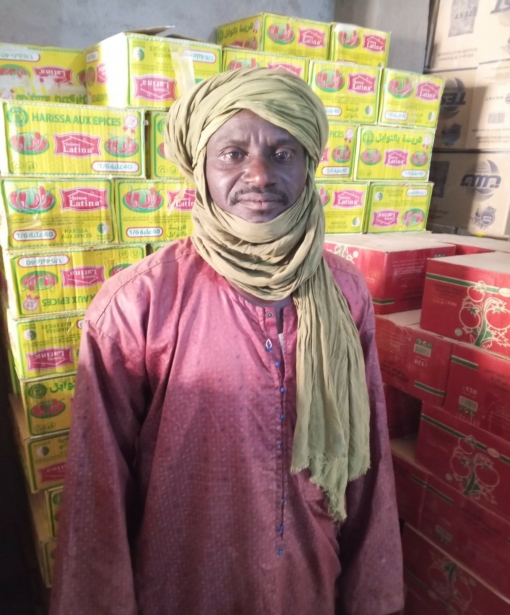
Food security: taking action against hunger in Kidal
Further north, in Kidal, livelihoods are collapsing. Cattle theft, destroyed crops, and stalled markets are plunging 1.4 million people² into food insecurity across the country.
Ibrahim, a father, testifies to the scarcity of work. To support his household, our teams have set up seasonal food distributions. Rice, oil, milk, sugar: 230 households have received basic necessities to stabilize their consumption and protect their health.
“I thank you very much and urge you to continue because there are many other people in need.” he says gratefully.
These actions are made possible thanks to the support of the American people through the U.S. Department of State in Mali.
[1] OCHA_June 24–30, 2025_West and Central Africa: Latest events in brief – Sources: UN reports, Red Cross and Red Crescent Movement and NGO reports, government data, media. https://response.reliefweb.int/mali
[2] Source: Office for the Coordination of Humanitarian Affairs (OCHA): Mali 2025 – Humanitarian Needs and Response Plan (HNRP)_ January 15, 2025 – https://response.reliefweb.int/mali