

News
Facing floods in Cameroon: aid is being organized
Every year, the Far North region of Cameroon is hit by floods that leave thousands of people destitute. In 2024, these floods put 459,000 people at risk, destroying their homes and crops. The most serious risk is the spread of disease. This is caused by contaminated water and a lack of basic sanitation services.
Publié le 29/09/2025 | Temps de lecture : 8 min
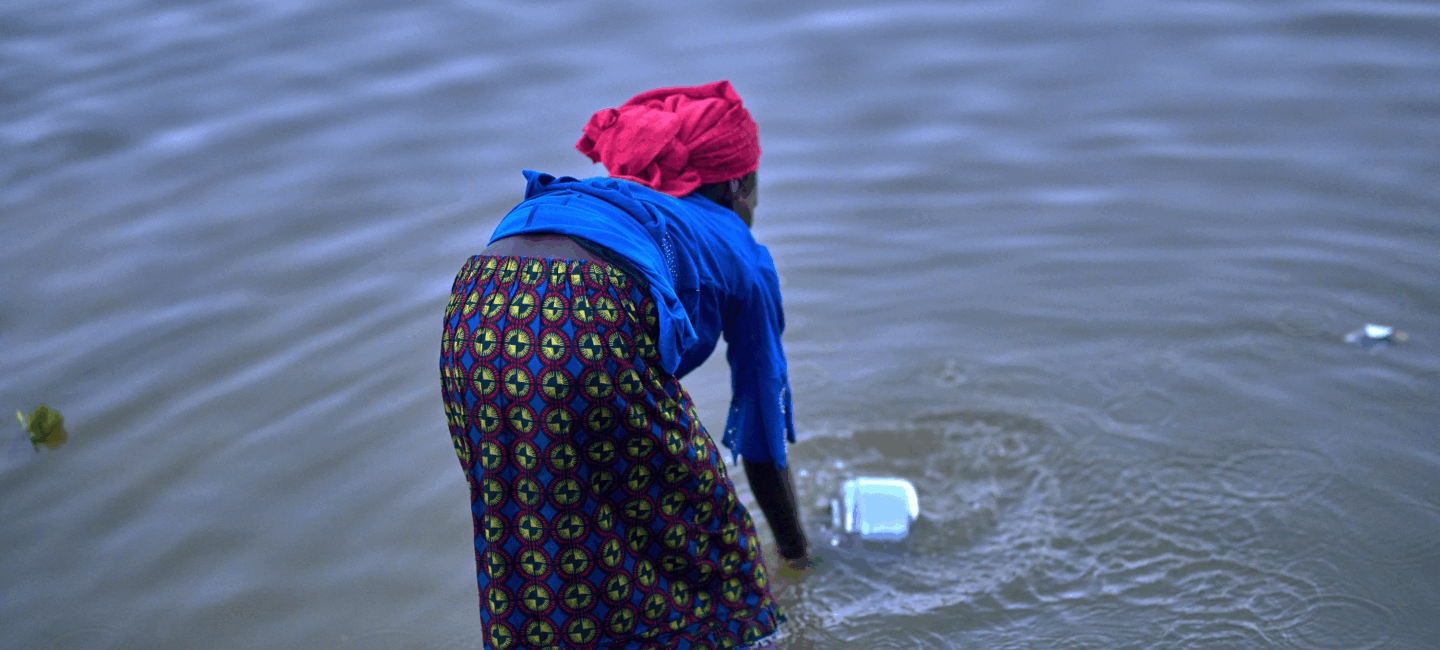
An emergency situation on the ground
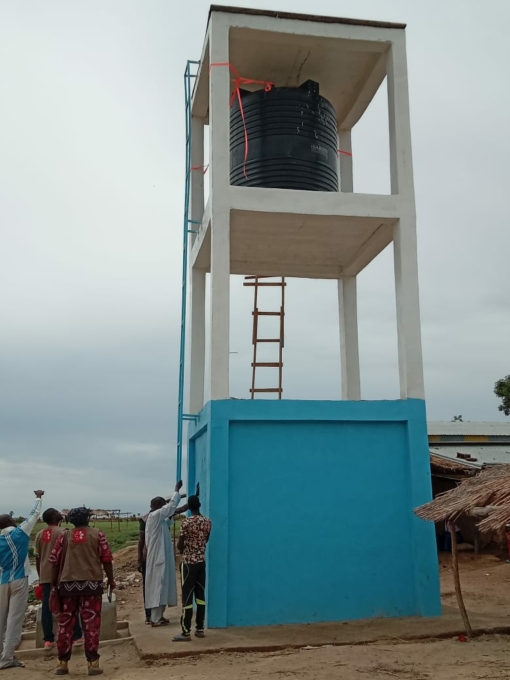
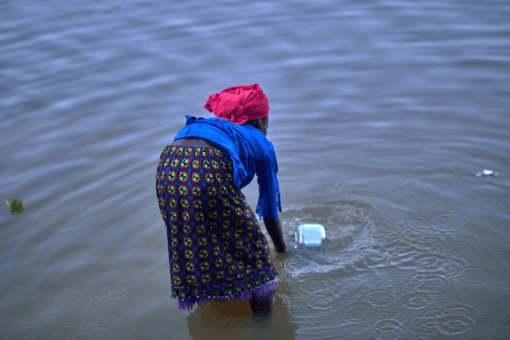
In the town of Kousseri, 18% of households were forced to consume unsafe water. In the town of Zina, 21% of residents were affected, and 40 water points were flooded, leaving many people without access to drinking water. Following assessments carried out by our teams and those of our partners, and in response to this critical situation, Première Urgence Internationale has implemented actions on the ground with the aim of improving sustainable access to drinking water, hygiene, and sanitation services.
These activities aim to reduce the risk of waterborne diseases and the vulnerability of the affected populations.
Concrete aid for a lasting impact
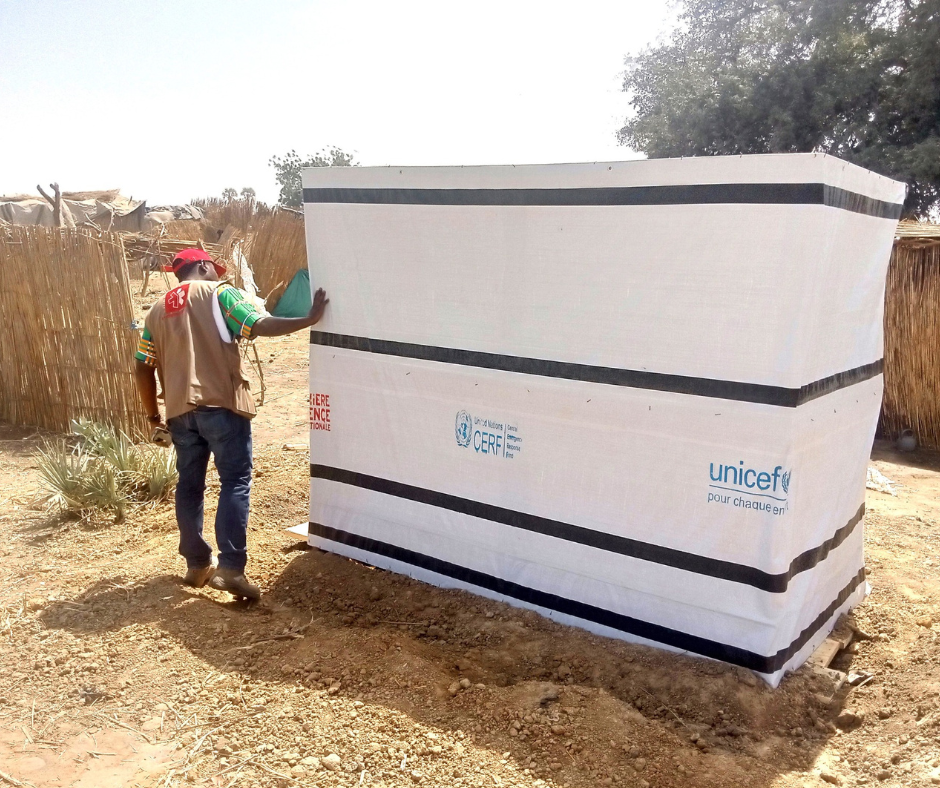
Assessment of latrines built in the town of Zina, Logone and Chari Department, Far North Region, Cameroon, June 2025 © Première Urgence Internationale
Thanks to l’UNICEF‘s support, Première Urgence Internationale was able to respond quickly to humanitarian needs. Between January and July 2025, we helped more than 85,000 people by providing them with essential assistance:
- Access to drinking water: we repaired or restored 38 boreholes and installed four mini drinking water networks, improving access to drinking water for 22,500 people.
- Hygiene and sanitation: 60 latrine blocks were built to limit the risk of contamination. We also raised awareness among more than 21,000 people about good hygiene and sanitation practices.
- Distribution of emergency kits: More than 13,000 people received hygiene kits containing essential items such as soap and containers for storing clean water. In addition, 200 women and girls received dignity kits for menstrual hygiene.
Voices that testify
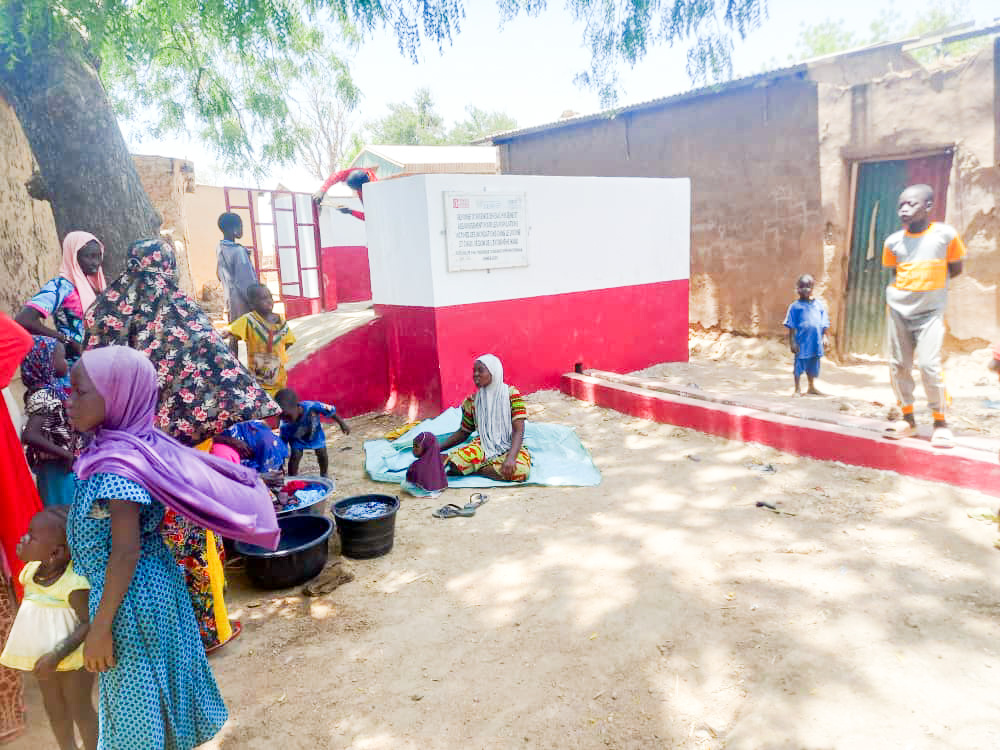
Rehabilitated borehole, Hollom, Logone and Chari Department, Far North Region, Cameroon, June 2025 © Première Urgence Internationale
“When the water rose, we lost everything,” says Falmata Moussa, a resident of Zina. “We were drinking dirty water and the children were often getting sick. The Première Urgence Internationale team arrived and changed everything.” Falmata is one of the beneficiaries of a kit that now allows her to protect her family following the floods in Cameroon.
This kit contains essential items such as: closed containers for collecting and storing water, a potty for young children, and bars of soap. It aims to restore basic hygiene within households and thus reduce the risk of disease caused by poor hygiene.
The chief of the village of Ivier in Zina also expressed his gratitude: “What we have received is not just material goods. It is a helping hand that reminds us that we have not been forgotten.”
More about
Financial support