

Africa
Benin/Togo
-
 Health
-
Mental health & psychosocial support
-
Nutrition
-
Protection
-
Water, sanitation & hygiene



2024
mission start date
18
national staff
4
expatriate staff
107 655
people supported
Context
Since 2022, living conditions in Benin and Togo have deteriorated. While urban areas in the southern regions benefit from a relatively growing economy and better access to certain basic services, more remote areas in the northern regions face major structural challenges. Basic services are dysfunctional and socio-economic realities are marked by significant regional trends. Insecurity linked to armed groups, the situation in the Sahel and the increasing scarcity of resources are causing population displacements, with thousands of refugees and displaced people, the majority of whom are women and children vulnerable to growing violence. Basic services, which were already fragile, particularly in the health sector, are now insufficient to meet these new needs, and inter-community tensions, exacerbated by the presence of radical groups, worsen these vulnerabilities.
Our approach
Description of the mission
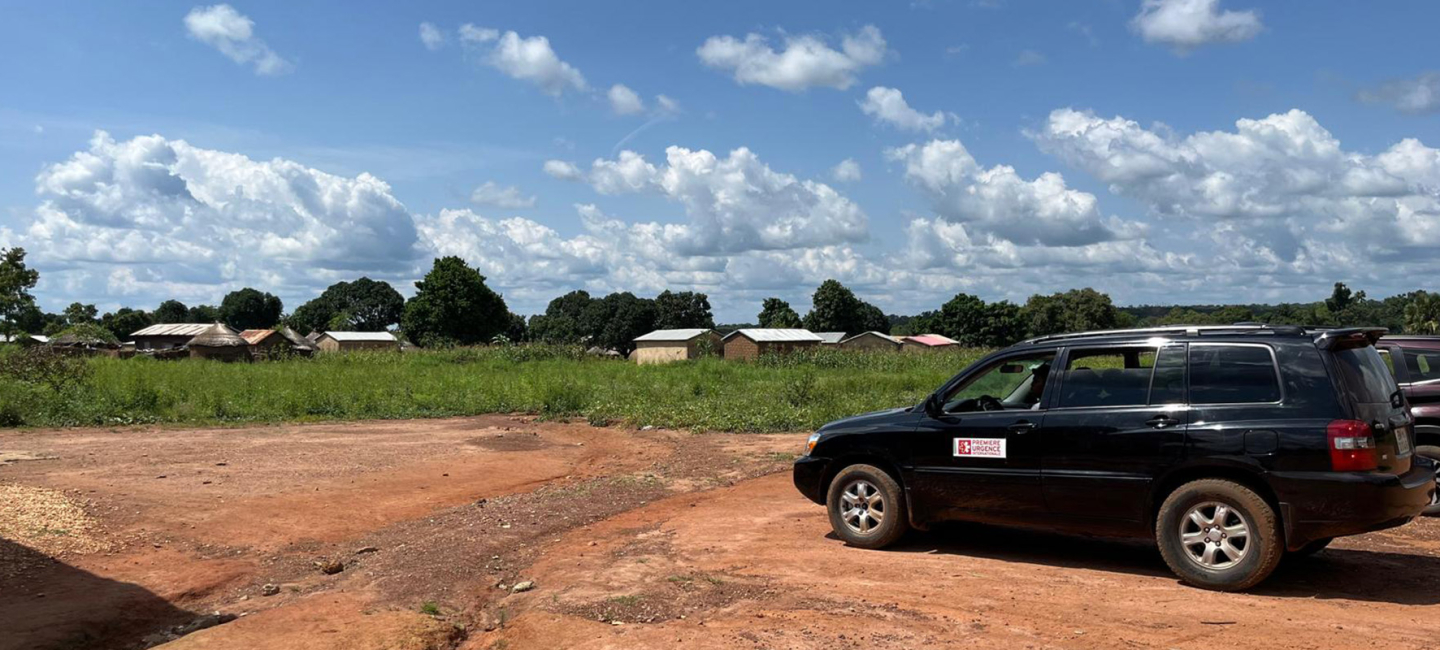
Given the deterioration in security in the northern regions of Togo and Benin since 2022, Première Urgence Internationale is working on the front line to meet the urgent needs of local populations, internally displaced persons, refugees and asylum seekers in the Alibori department (Benin) and the Savanes region (Togo).
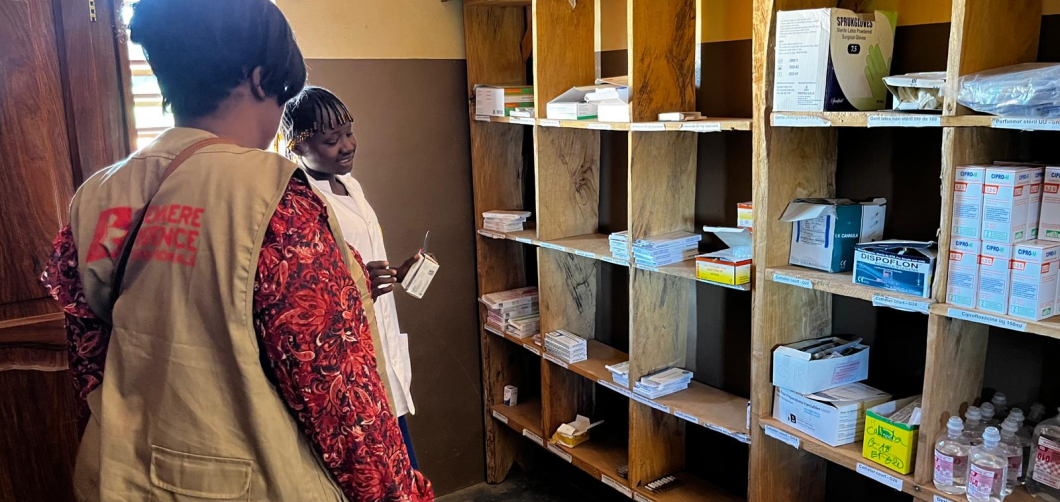
Première Urgence Internationale works in close collaboration with local and national initiatives, supporting public health structures in Benin and assisting the Association d’Appui aux Activités de Santé Communautaire (3ASC) in Togo. Its projects aim to improve access to healthcare for the most vulnerable populations, strengthen the capacities of local stakeholders, and support the resilience of health systems.
Première Urgence Internationale
in action
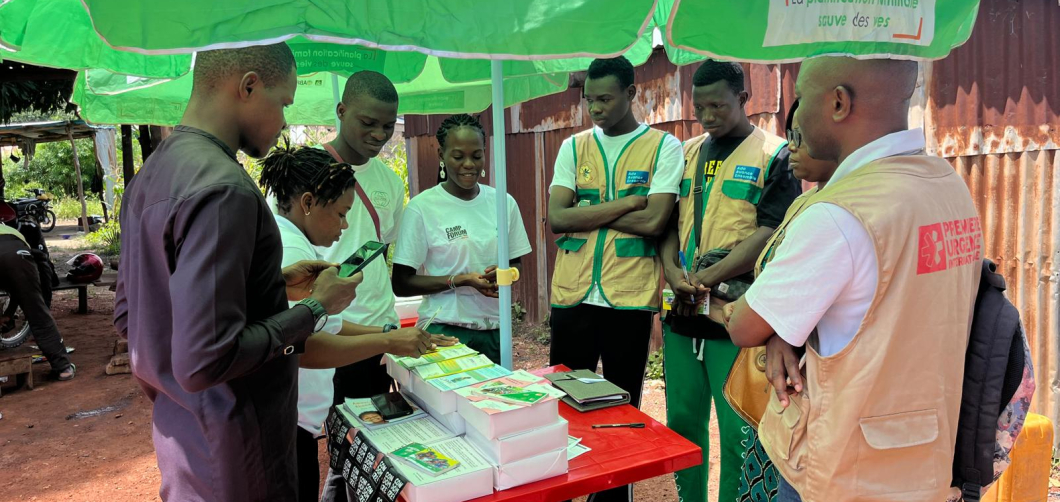
Keen to respond to growing humanitarian needs while supporting local dynamics, Première Urgence Internationale anchors its actions in national and local health strategies. Its interventions aim to strengthen health systems in a sustainable manner by improving free access to essential care and treatment for the most deadly pathologies such as malaria and malnutrition, and by supporting community health through prevention, awareness-raising, and preparedness and response to health emergencies.
Aware of the challenges of access and connectivity in these regions, Première Urgence Internationale also relies on technological innovation to strengthen local capacities. In partnership with Kajou, Première Urgence Internationale is implementing the kSANTÉ project, a digital solution that enables community health workers to train themselves using interactive modules accessible without an internet connection, helping improve the quality of community health services in the most remote areas, while promoting the autonomy and resilience of local actors.
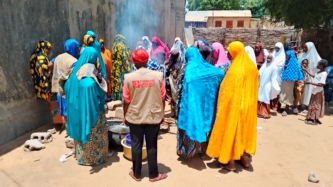
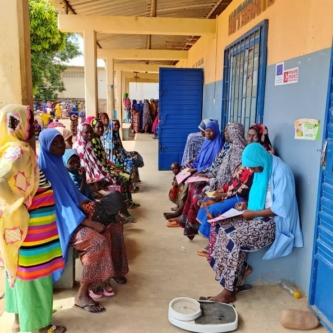
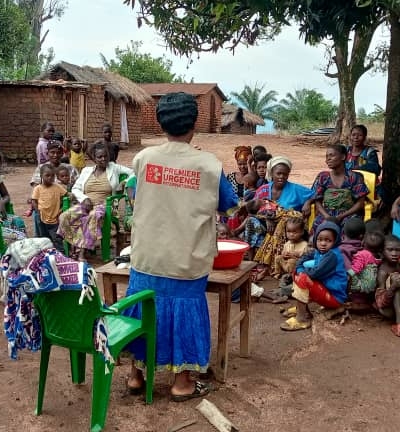
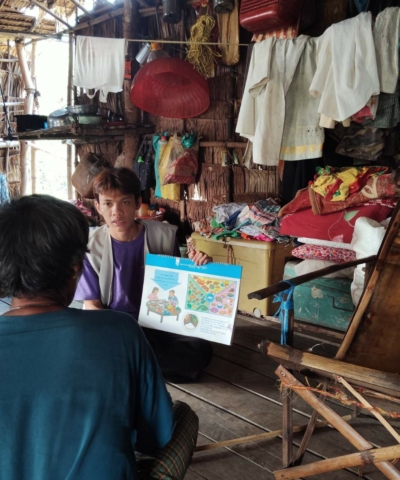
Cooking demonstration in Alibori © Première Urgence Internationale
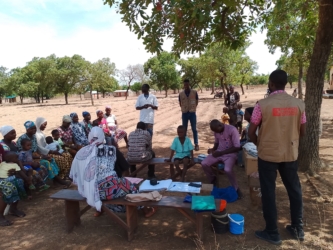
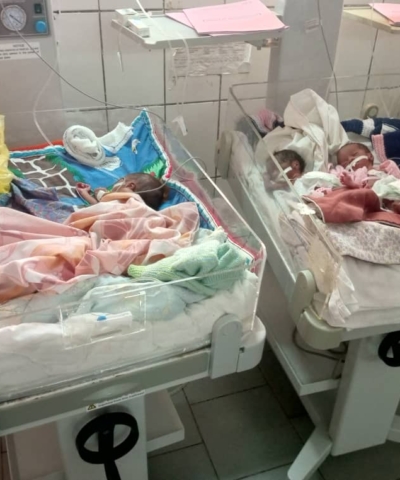
Emergency response in Alibori © Première Urgence Internationale
Emergency response in Alibori © Première Urgence Internationale
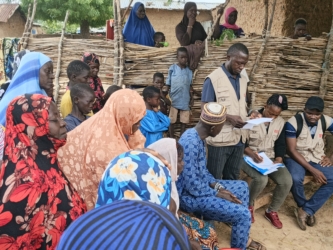
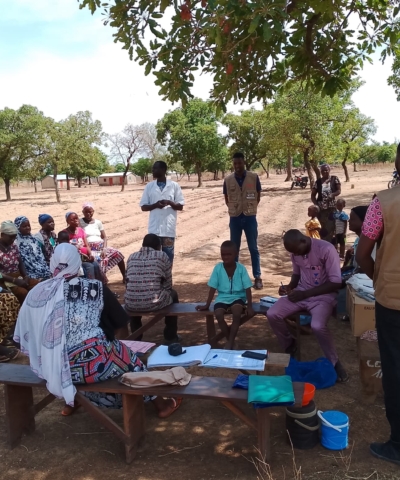
Rapid assessment in Alibori © Première Urgence Internationale
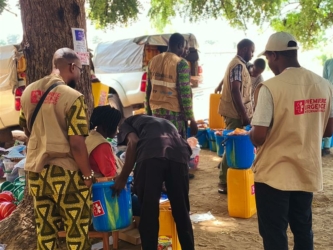
Distribution of dignity kits and WaSH kits © Première Urgence Internationale
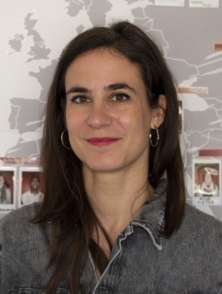
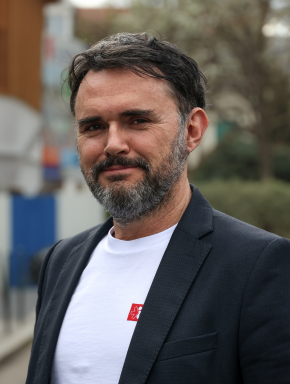
Anne-Gaëlle BRIL
Country Director for Benin/Togo
“Since our first deployment in 2024, Première Urgence Internationale teams in Benin and Togo, along with our partners in the field, have been fully mobilized to respond to the most urgent needs in terms of health, nutrition, psychosocial support, and access to water in border areas, where needs are growing. I am proud to be part of this team and to contribute to improving the living conditions of those who need it most. Thank you to our partners for their support, which remains more essential than ever!”
Latest news

Our donors

Similar missions