

News
Yemen: Our rapid response to the cholera outbreak in Taiz
A deadly cholera outbreak afflicted the Al Wazeya'a district of Yemen in June. It was rapidly detected thanks to surveillance data from the Ministry of Health and the electronic early warning system for diseases, that confirmed an increase in cases of acute diarrhea and cases of cholera in the district.
Publié le 18/09/2025 | Temps de lecture : 6 min
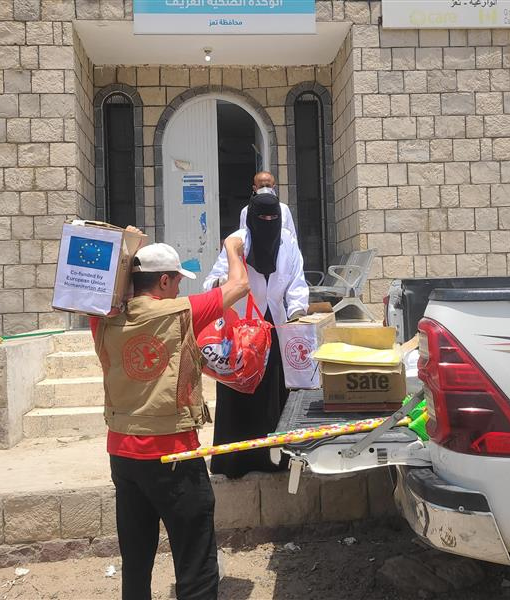
With an already weakened healthcare system, a lack of diarrhea treatment centers, and inadequate sanitation systems, the risk of the disease spreading rapidly was very high.
To prevent the situation from worsening and save lives, Première Urgence Internationale responded quickly to contain the epidemic and provided emergency health, water, sanitation, and hygiene (WASH) services, with the support of the European Union Humanitarian Aid.
Our goal was to slow the epidemic and provide vital health and hygiene care to the most vulnerable populations.
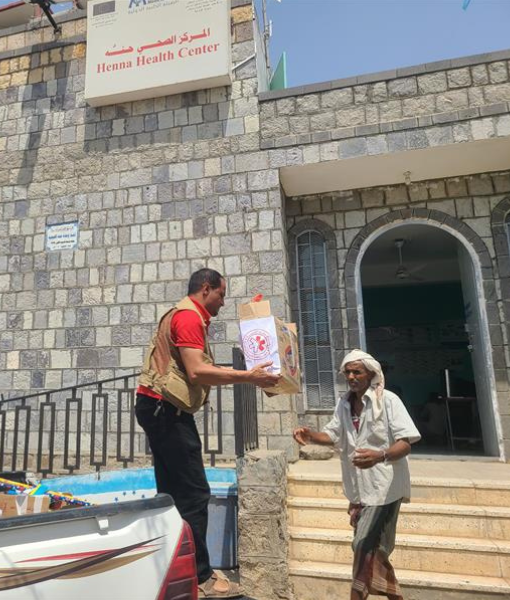
Immediate action to treat and save lives
In coordination with OCHA, the Health Cluster, and local health authorities, our emergency team was deployed to the field. Our medical supplies, prepared in advance, enabled us to take immediate action.
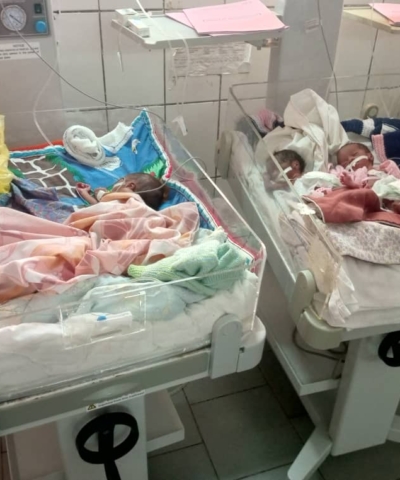
- Frontline care: Within days, we set up oral rehydration points in three health centers. These “rehydration corners” enable us to treat mild and moderate cases, preventing them from becoming more serious.
- Presence at the heart of communities: To respond even more quickly, we also set up rehydration points directly in communities. This enabled early treatment and rapid transfer of the most severe cases to health centers.
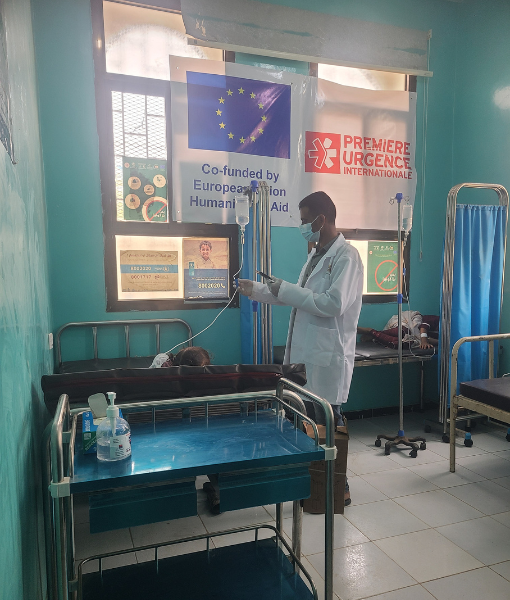
Since the start of the intervention on June 28, 2025, Première Urgence Internationale carried out 324 consultations, including 309 new cases and 15 follow-ups. Among the patients treated, 183 were children under the age of five.
- Safe transfer to hospitals: Patients requiring more intensive care were transferred to the diarrhea treatment center run by Médecins Sans Frontières in Mokha. We covered all transportation costs, and our ambulance was equipped to comply with strict hygiene protocols, which are essential to prevent the spread of cholera.
Information, a weapon against the cholera epidemic in Yemen
In addition to medical care, Première Urgence Internationale invests in communication, risk prevention, and community engagement.
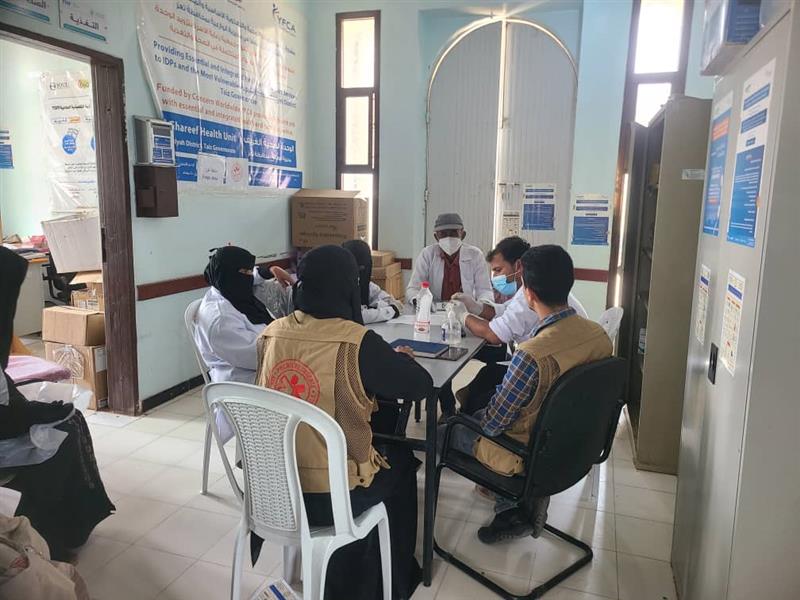
Meeting with GHO health workers in Al Gharif Health Center, Al Wazi’yah district July 2025.
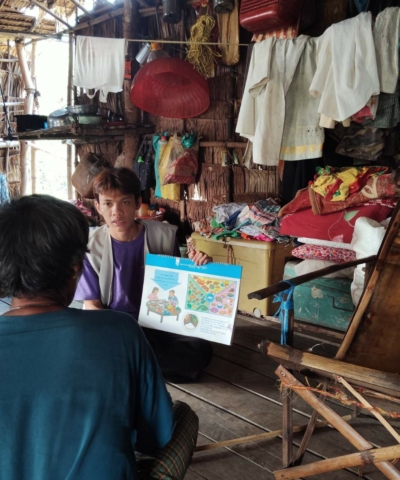
Our community health volunteers go directly to homes to inform residents. They organize group discussions and distribute easy-to-understand awareness materials. They teach communities about hygiene, access to clean water, how to prepare oral rehydration solutions, food safety, the first symptoms of cholera, how to treat it, and where to find the nearest referral center for rapid treatment.
These efforts not only help slow the spread of the epidemic, but also strengthen communities’ autonomy and capacity to protect themselves in the long term.
These activities are made possible thanks to the support of European Union humanitarian aid and the Swedish International Development Cooperation Agency (SIDA).
Financial support