

News
In Ethiopia, returning to life after the earthquake:
Abia led a stable life in Segento Kebele, working at the local sugar factory. Eight months ago, everything changed. A devastating earthquake struck the Awash region. Faced with the escalating disaster, Abia, his wife, and their six children were forced to flee.
Publié le 22/10/2025 | Temps de lecture : 3 min
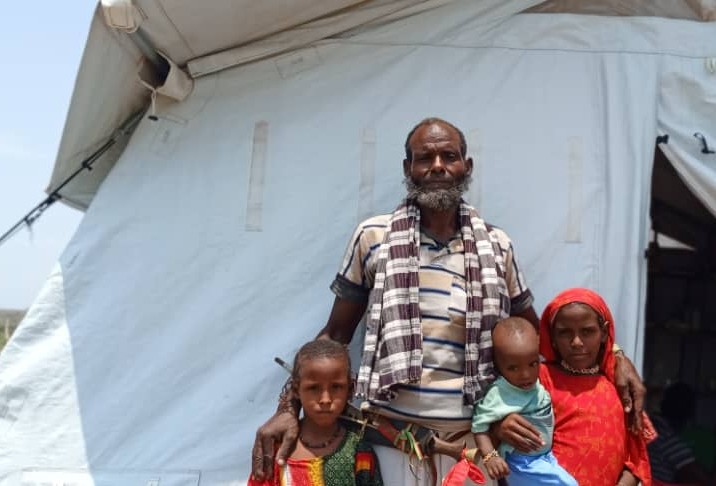
Today, they live in the Daido camp, among thousands of others displaced by the crisis.
The price of survival: loss, uncertainty, and resilience
The impact of displacement is immense. Abia and his family left behind their home, their jobs, and above all, the stability they had built. Their only source of livelihood now depends on humanitarian aid for food, water, and healthcare. Despite everything, Abia is hanging on, trying to maintain his pastoral lifestyle with the help of his family, on a journey marked by uncertainty and difficulty.
“We have received medicine, healthcare, and consultations. Thank you for your support,” says Abia.
Even though her children have fallen ill several times, the family knows that help is available at the camp if needed.
How is humanitarian aid in Ethiopia supporting earthquake victims in the Afar region?
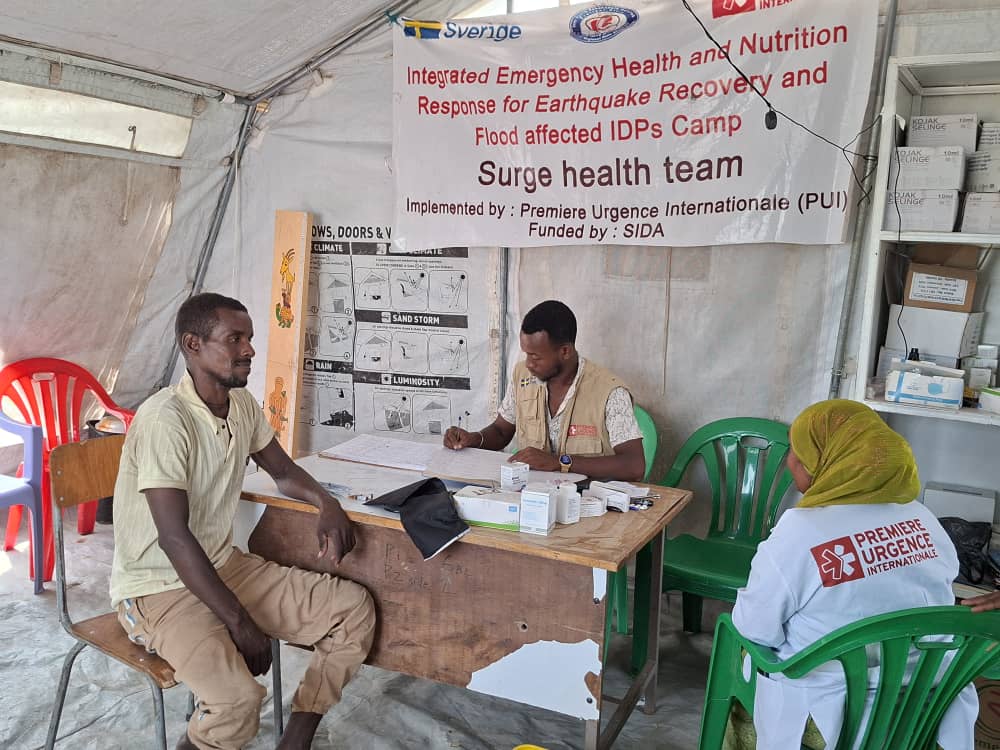
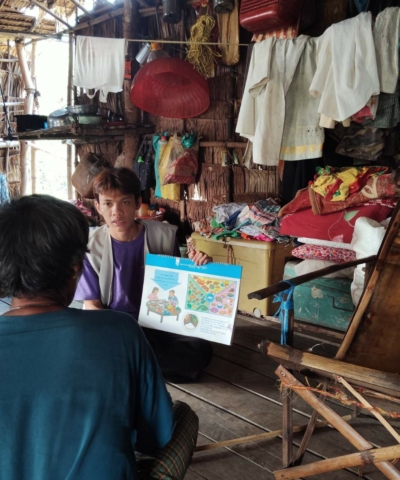
A Première Urgence Internationale deployed Mobile health team providing medical consultation for IDPs affected by earthquake at Awash Fentale wereda, Afar region June, 2025 – © Première Urgence Internationale
Abia is one of many displaced people in the Afar region who are benefiting from the vital intervention of Première Urgence Internationale.
Thanks to the support of the Rapid Response Mechanism (RRM) of the Swedish International Development Cooperation Agency (SIDA), Première Urgence Internationale is deploying mobile health teams to reach the most affected areas.
Our goal is to reduce morbidity, mortality, and malnutrition by providing essential services directly to displaced populations:
- Screening and treatment for malnutrition.
- Reproductive health care.
- Vaccinations and general consultations.
- Community health education.
Why are mobile health teams crucial in the Afar region?
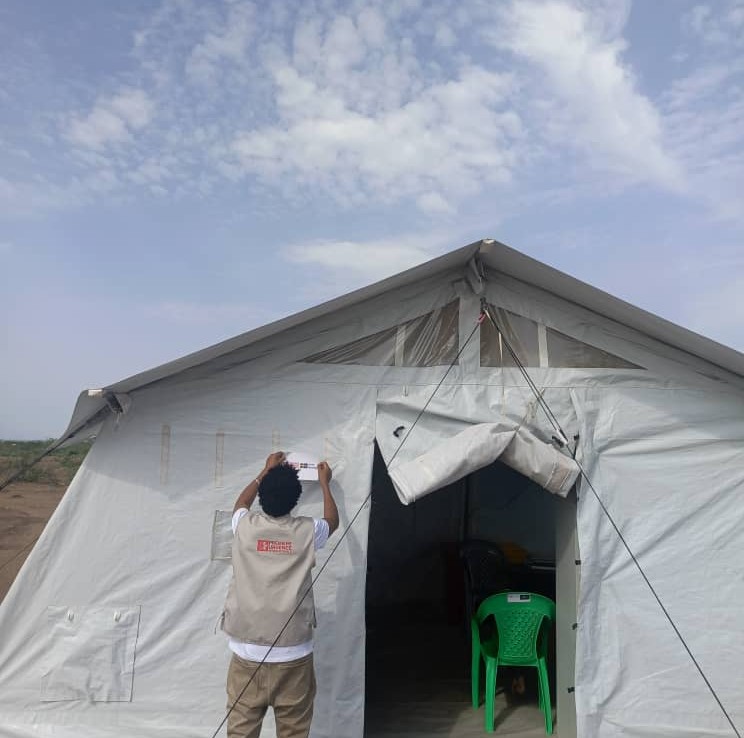
Establishing a mobile health clinic at IDP camp of earthquake affected community at Awash, Afar region, May 2025 – © Première Urgence Internationale
Abia’s story is a powerful reminder of the strength, dignity, and resilience of displaced communities. Above all, it highlights the urgency of maintaining coordinated and sustainable humanitarian support.
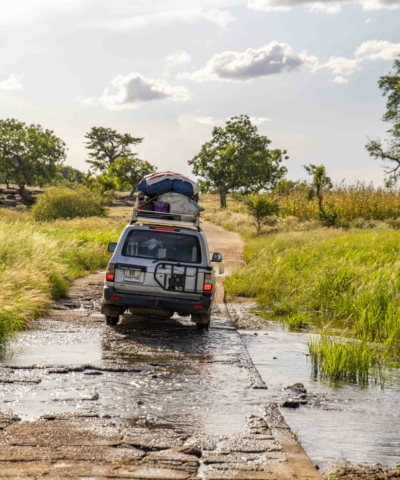
In remote areas like Afar, where infrastructure is often destroyed or non-existent after disasters such as earthquakes, our mobile teams are the only access to care for thousands of families.
Uncertainty remains, but Abia’s hope of one day returning home to rebuild his life is supported by the access to healthcare that protects his family today.
Support our emergency response in Ethiopia so that families like Abia’s can regain stability.
More about
Financial support