


News
Facing climate crisis in southern Iraq
Between October 2024 and January 2025, a comprehensive climate displacement assessment was conducted across five southern governorates of Iraq - Thi Qar, Missan, Muthanna, Qadissiya, and Basrah. The study engaged 387 households, 10 focus group discussions, and 15 key informant interviews to examine the multifaceted impacts of climate change on vulnerable communities. The assessment focused on environmental hazards, sectoral needs, legal and policy gaps, and operational priorities for Phase II interventions.
Publié le 28/11/2025 | Temps de lecture : 2 min
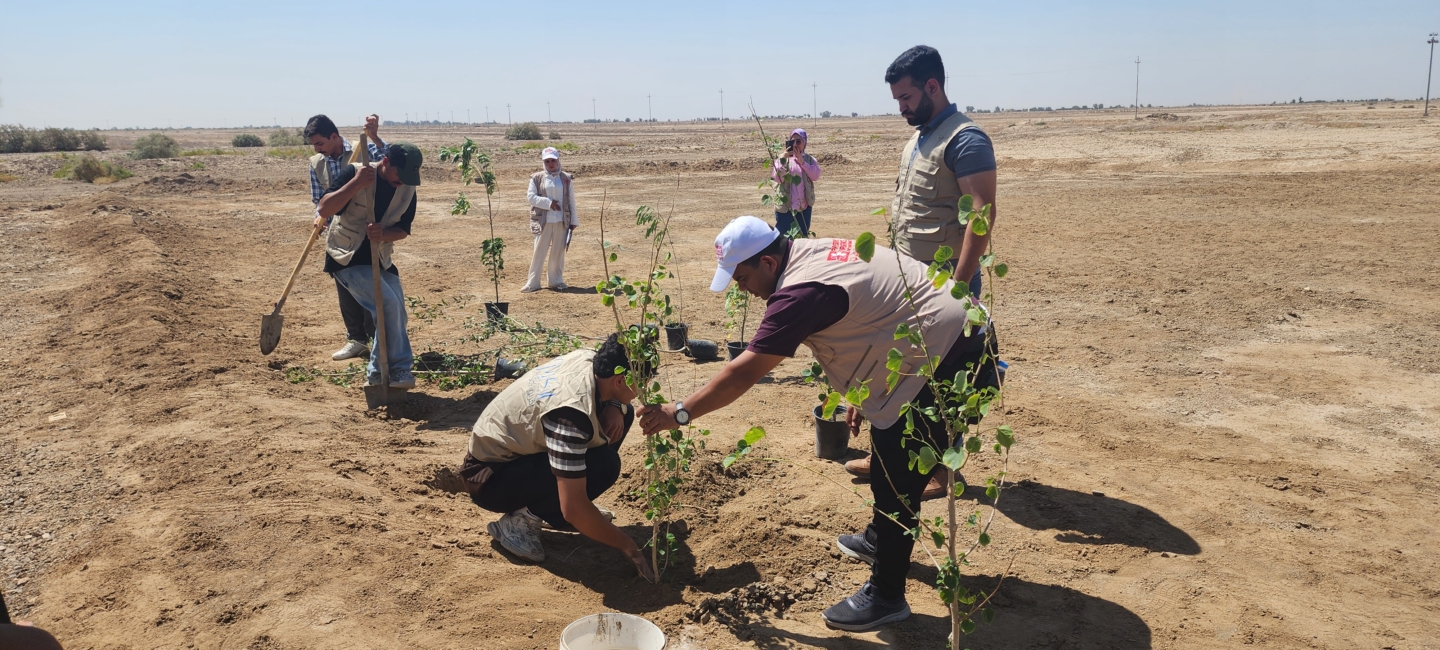
The findings reveal a stark reality: nearly all respondents (98.7%) observed rising temperatures, and 96.6% reported more frequent droughts. Water scarcity emerged as a critical concern, particularly in Qadissiya and Muthanna, where river levels have drastically declined and irrigation systems are failing. Agricultural livelihoods are under severe strain, with 67% of households reporting significant impacts and 59% citing crop loss as their primary challenge. Health issues linked to climate conditions—such as respiratory illnesses, heat-related ailments, and waterborne diseases—were reported by over half of respondents, with displaced populations disproportionately affected.
Vulnerable groups identified include the elderly, women and girls, children, farmers, and people with disabilities. Displaced households and those with low income face heightened risks due to inadequate shelter and limited access to services. Immediate needs span multiple sectors, with water resource management ranked as the highest priority. Recommendations include modernizing irrigation systems, expanding access to clean water, supporting climate-resilient agriculture, deploying mobile health units, and strengthening shelter and infrastructure.
Geographically, Qadissiya and Muthanna stand out as the most acutely affected areas, requiring urgent investment in water systems, agricultural support, and employment opportunities. Missan and Thi Qar face challenges related to marsh degradation and water trucking reliance, while Basrah contends with salinization, pollution, and extreme heat.
Governance gaps are evident, with low public awareness of climate policies, limited humanitarian aid reach, and fragmented coordination among stakeholders. The report calls for targeted actions such as emergency water interventions, drip irrigation pilots, mobile health outreach, and regional water governance mechanisms. Investing in these priorities offers high returns by protecting livelihoods, reducing forced migration, and fostering local resilience.