

News
The story of Fatuma, a mother facing malnutrition in Ethiopia
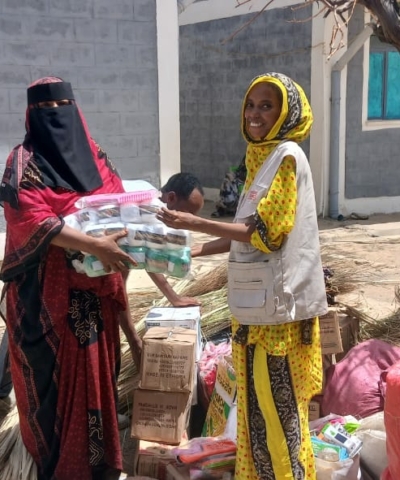
In Ethiopia's Afar region, Fatuma, a mother of two, struggles to provide for her family by selling goats at the market. Unfortunately, her income is uncertain, as it depends on weather conditions and local demand. This precarious situation makes her family particularly vulnerable, especially during periods of drought.
Publié le 26/08/2025 | Temps de lecture : 3 min
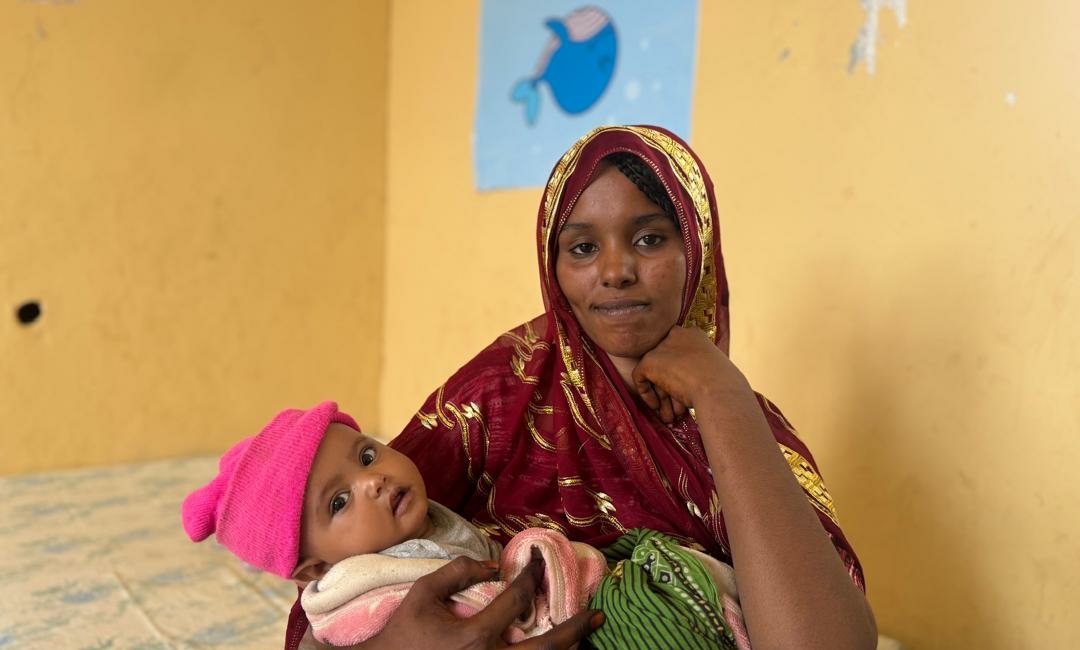
When her youngest child, aged 11 months, began to rapidly deteriorate in health, Fatuma took him to the hospital, where she had access to nutritional services supported by Première Urgence Internationale.
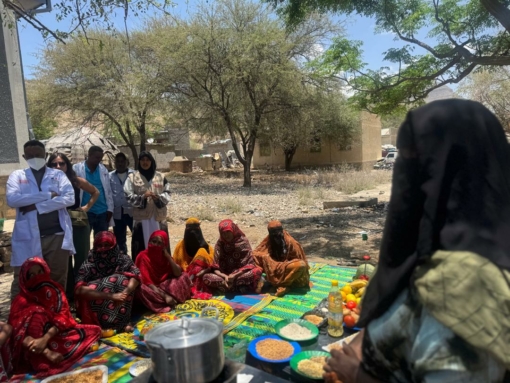
Comprehensive care for the child
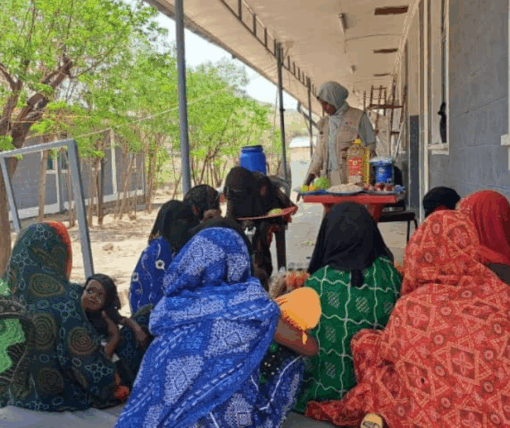
Her daughter was first admitted to our stabilization center to receive emergency care. She was then transferred to an outpatient treatment program to continue her recovery. During this period, Fatuma received daily meals, participated in cooking workshops for mothers, and received financial assistance.
This support enabled her to better manage her child’s recovery at home and meet her immediate needs, providing her with much-needed stability during this difficult time.
To help children feel safe and develop despite their illness, Première Urgence Internationale has also set up a child-friendly space. Run by a psychologist, this colorful place, filled with toys, allows children to play and interact while they recover.
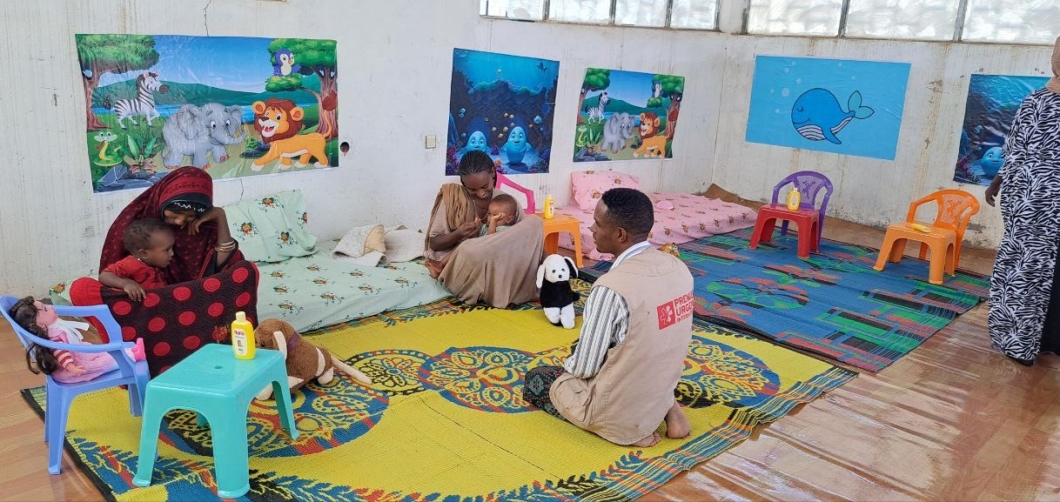
To help children feel safe and develop despite their illness, Première Urgence Internationale has also set up a child-friendly space. Run by a psychologist, this colorful place, filled with toys, allows children to play and interact while they recover.
This space also promotes the social and emotional development of children, even during their illness. Caregivers have noticed that it helps create a calmer atmosphere, which makes it easier for health workers to provide vital nutritional services.
Hope threatened by the food crisis
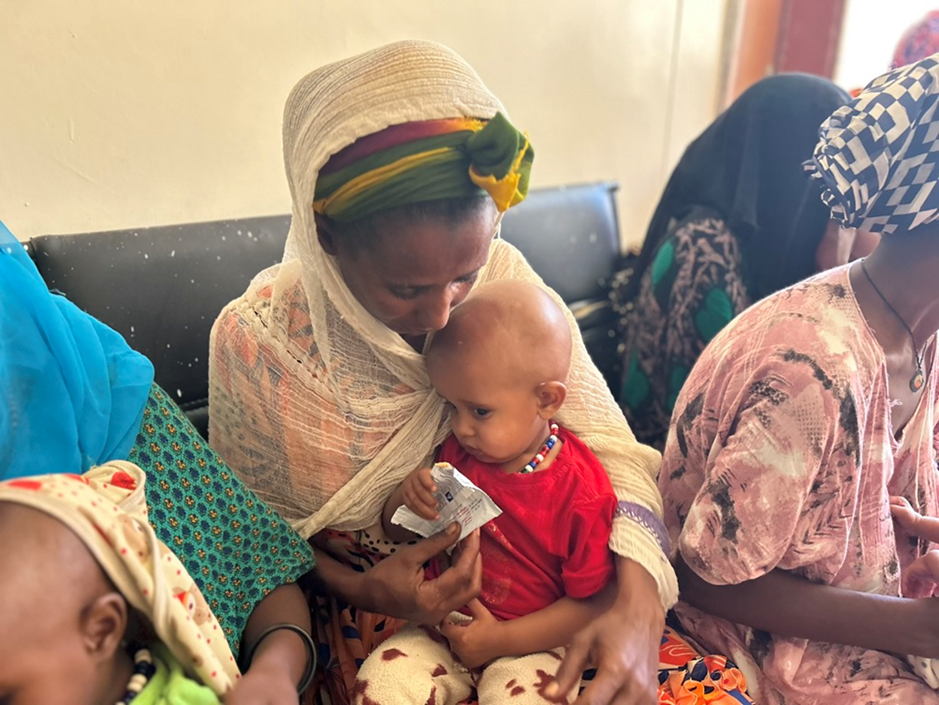
Today, Fatuma’s child has regained much of his strength and energy. She is grateful for the support and advice she received from the health teams, which she considers essential to her child’s recovery.
Unfortunately, the recent US freeze on USAID funding has led to a shortage of therapeutic foods essential for treating severe acute malnutrition. For families like Fatuma’s, this shortage poses a serious risk that could jeopardize the progress made and leave children defenseless against disease and death.
Thanks to the support from Progammed food assistance by the Ministry for Europe and Foreign Affairs , we are continuing our efforts to strengthen supply chains and ensure sustainable nutritional support, a top priority for the future of children in the Afar region and throughout Ethiopia.
Financial support